Shaping the Next Generation of Agriculture
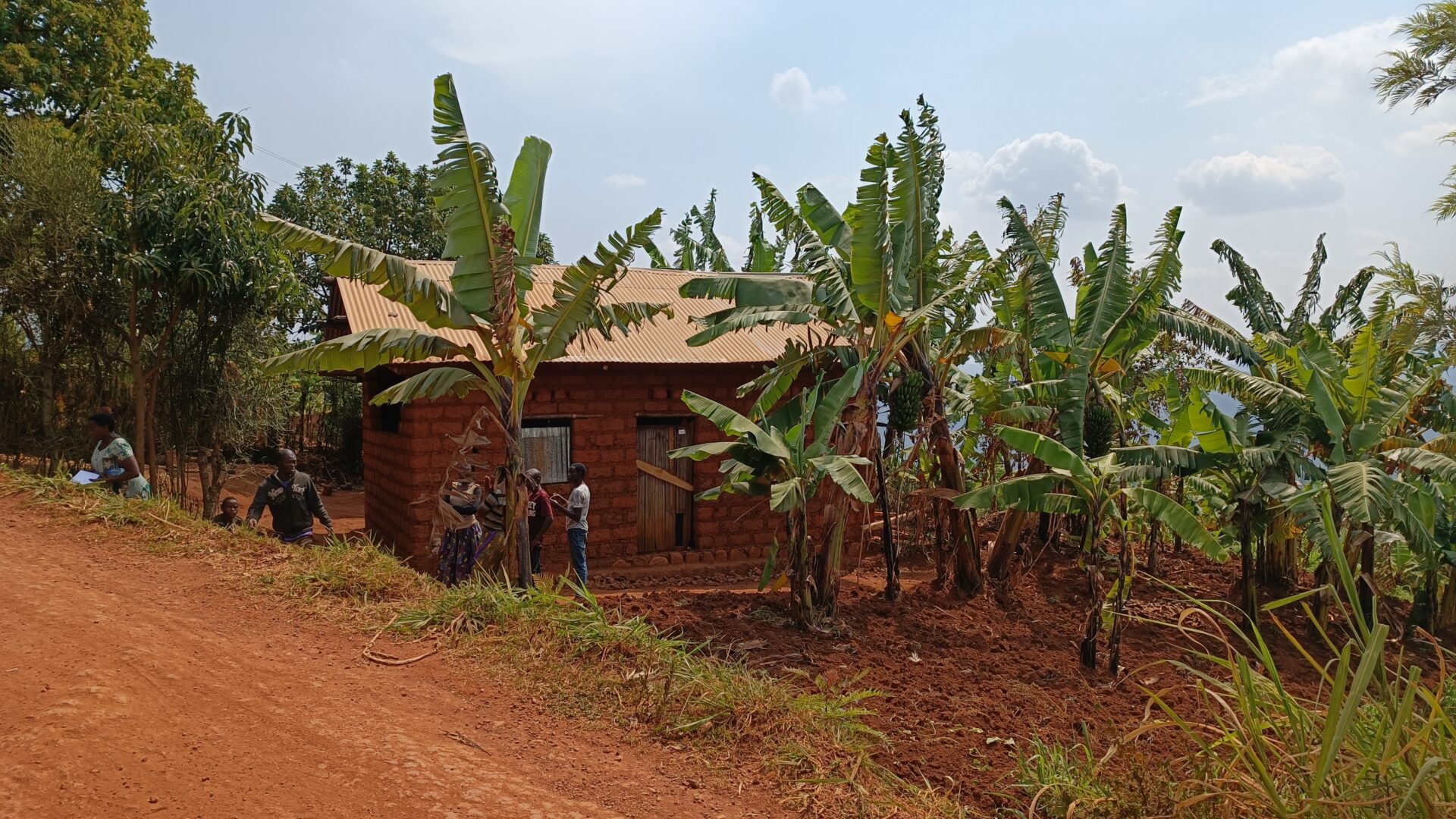
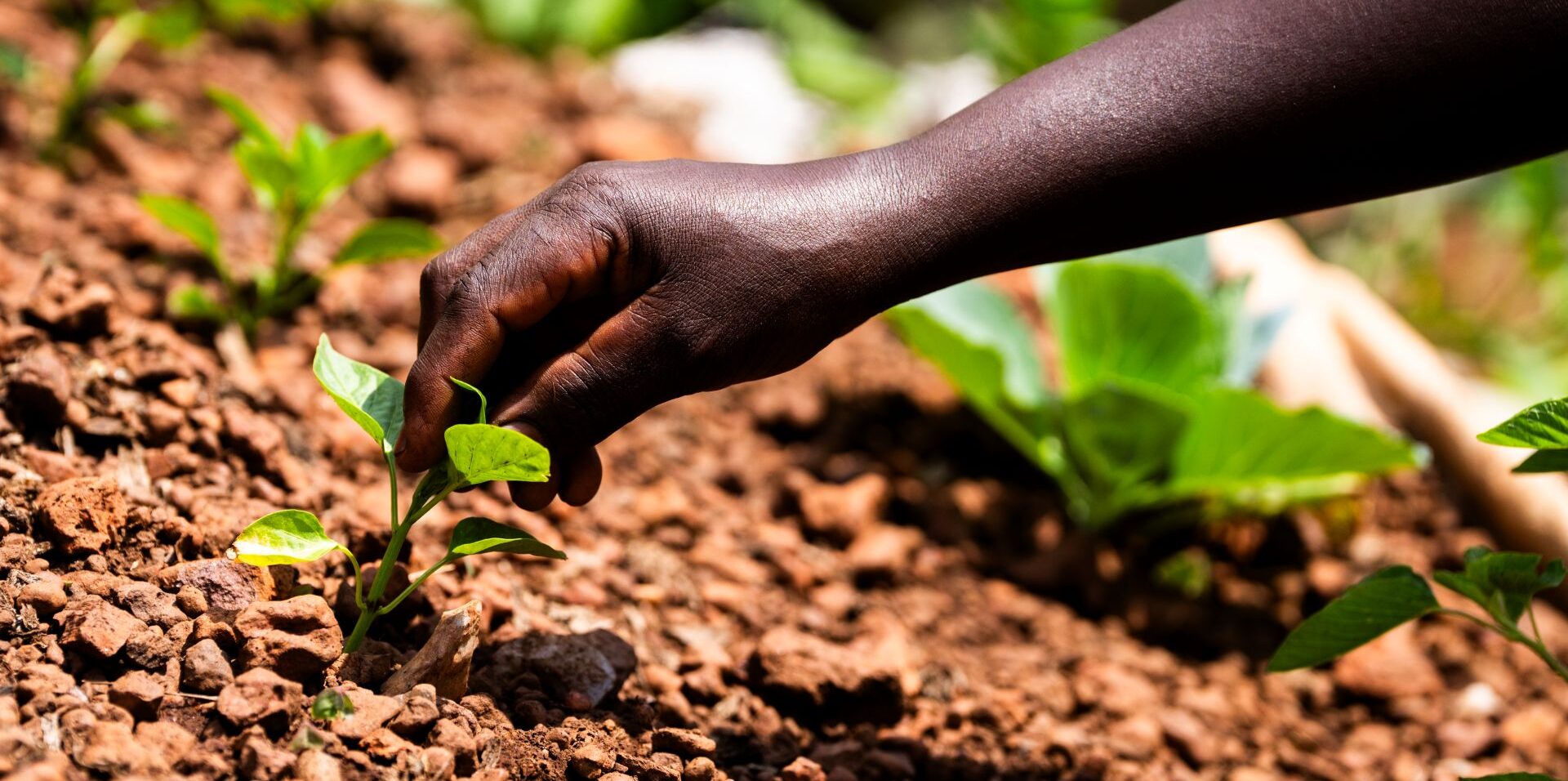
With agriculture employing over 70% of Rwanda’s population and contributing 30% to the national GDP1, the country’s food and job security depend on revitalising the sector through a new generation of high-skilled, climate-smart farmers. However, for many rural youths, agriculture remains associated with poverty and limited prospects. This project aims to change that. By preparing young people to lead sustainable, climate-resilient agricultural ventures, we help them reimagine farming as a dignified and viable career path—one that builds food security and strengthens livelihoods from within.
Objective
The project aims to equip 150 rural youth aged 18–25 from Kayonza, Ngoma and Rwamagana Districts in the Eastern Province, with the skills and resources to succeed in modern agriculture. Participants include secondary school graduates and dropouts living on less than USD 2/day, selected based on their motivation, vulnerability to climate and market shocks, and limited access to services. By promoting climate-smart practices, mechanisation, and entrepreneurial thinking, the project enhances income opportunities, strengthens food systems, and supports youth in stepping into leadership roles in their communities.
Activities
Together with our partner, Rwanda Rural Rehabilitation Initiative (RWARRI), we offer a comprehensive 8-month vocational training programme that includes:
• 1 month of general theory including training in numerical skills, languages for agri-tech, financial literacy, and climate-smart agriculture
• 5 months of specialisation in Mechanisation, Irrigation, or Post-harvest Handling and Storage
• 2 months of internship placements with local agribusinesses and cooperatives
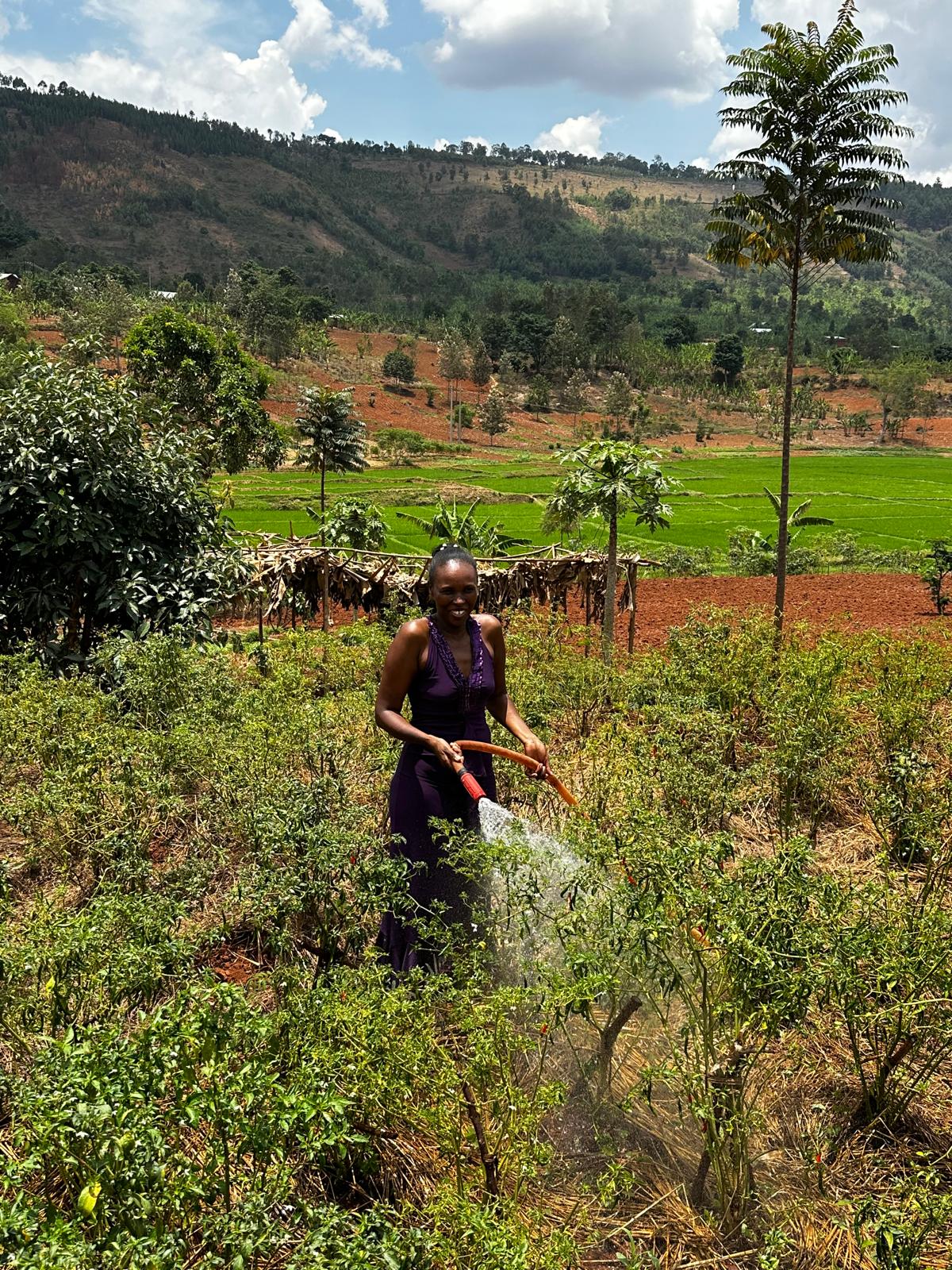
All students receive boarding and full scholarships and benefit from continuous mentorship, coaching, and regular guest lectures offering job-market insights from practitioners and entrepreneurs throughout the programme. Beyond the training itself, the project also supports the formation of youth-led businesses and cooperatives, facilitating access to financial services, tools, and market opportunities.
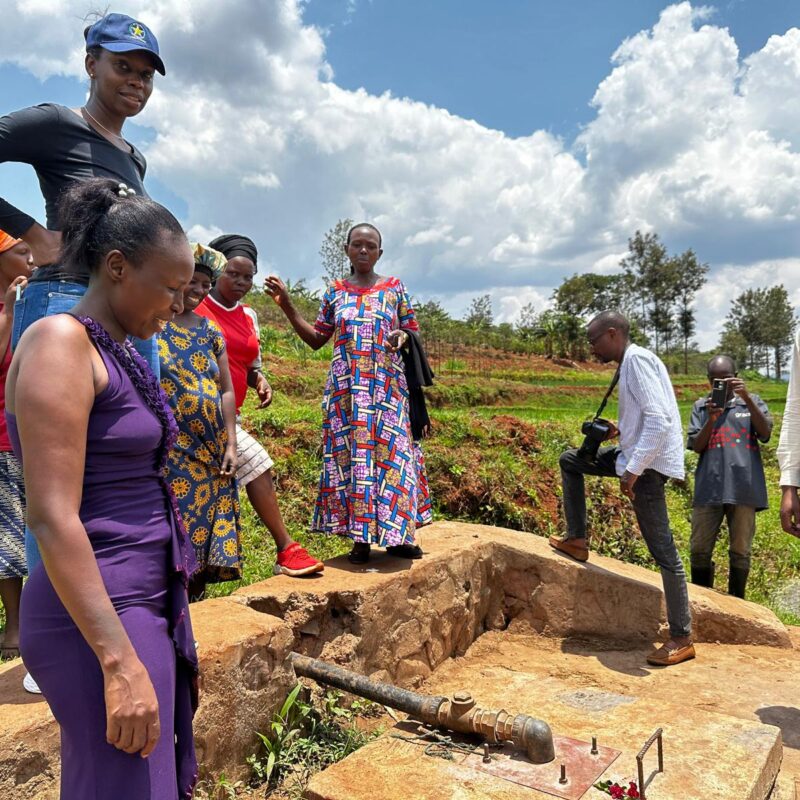
The project is designed in close collaboration with the relevant national authorities, among which the Rwandan TVET Board2, and private-sector partners, ensuring alignment with national standards and relevance to the job market. A cost-sharing tuition model will be introduced in future cycles to promote ownership and long-term financial sustainability. The programme is anchored in a strong monitoring and evaluation system.
Outcome and Impact
The project is designed to create measurable improvements in the livelihoods of rural youth by increasing their employability and active participation in agriculture.
Expected results include:
• 95% graduation rate
• 80% of graduates employed or self-employed in agriculture within 6 months
• Over 50% accessing financial services to launch their own ventures
By investing in hands-on skills, entrepreneurship, and access to productive resources, the initiative contributes to long-term resilience and opportunity for Rwanda’s rural youth.
Project Duration
2025–2027
Supported by
Our Partner
Sources:
(1) Government of Rwanda (2023), Rwanda Development Board (RDB). Data reflect employment and GDP contribution of the agriculture sector as of 2021–2023.
(2) The Rwanda TVET Board (Technical and Vocational Education and Training Board) is the government authority overseeing the quality, accreditation, and alignment of vocational training programmes with national labour market needs.
Collaboration with the TVET Board and other relevant public authorities ensures that the training offered is nationally recognised, relevant to the job market, and aligned with Rwanda’s education policy.
Join us skilling rural youth to transform agriculture in Rwanda.