
EMPOWER 360: Building healthier and more resilient futures in rural Uganda
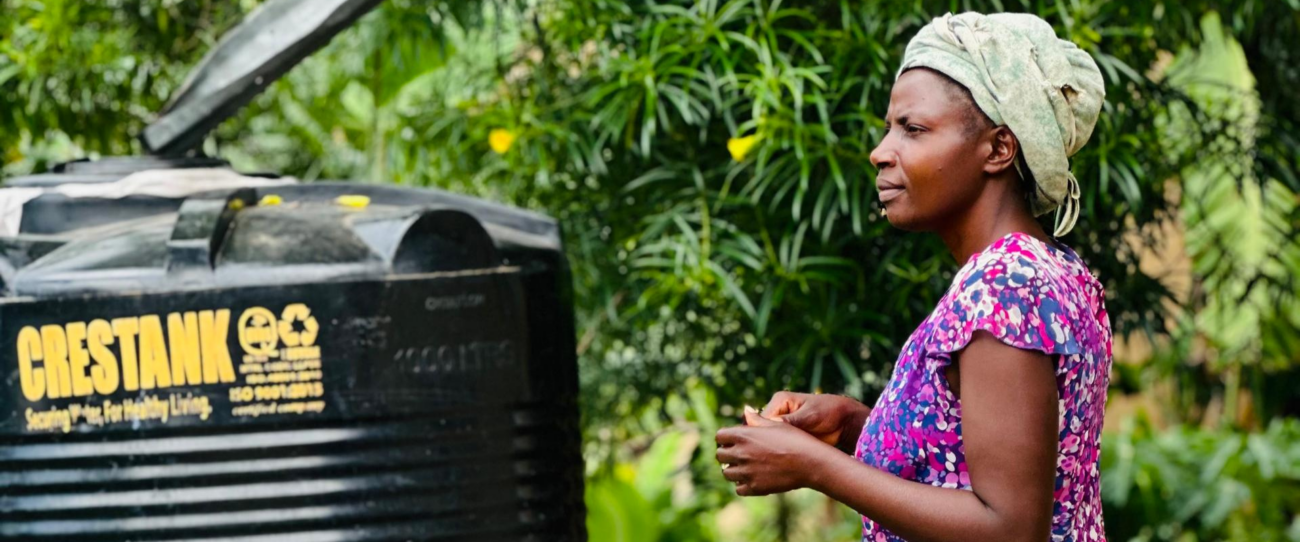
After one year of implementation in Kanungu District, Uganda, the EMPOWER 360 project has strengthened access to safe water, nutrition, clean energy and sustainable livelihoods for vulnerable rural households, while promoting local ownership and practices that can continue beyond the project.
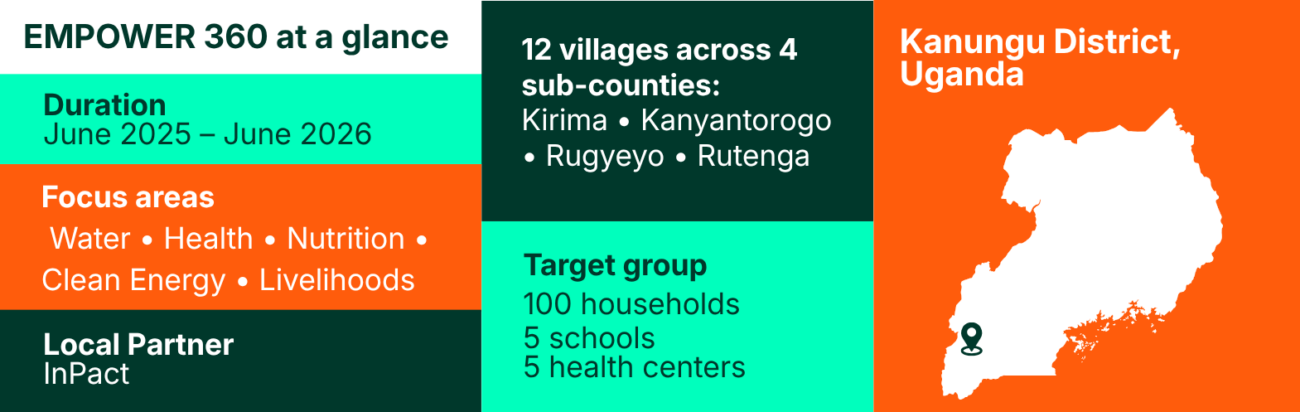
From June 2025 to June 2026, Suyana Foundation and local partner Innovation Program for Community Transformation (Inpact) implemented the EMPOWER 360 project across 12 villages in Kanungu District, southwestern Uganda. The project reached 100 vulnerable households, as well as 5 schools and 5 health facilities.
EMPOWER 360 was designed as a one-year pilot to test and document InPact’s SHINE model, generating lessons that strengthen the approach and inform its potential scale-up — reaching more families, in the future, in the most efficient and impactful way possible. The pilot has also produced a clear record of the current model, making it easier to explain to other organisations and replicate in new areas.
At the heart of the project was the SHINE model — Sanitation, Hygiene, Income, Nutrition and Energy. The model brings together areas that are closely interconnected in rural households, recognising that health, food security, livelihoods, water and energy cannot be sustainably addressed in isolation. By combining these elements, the project aimed to strengthen household resilience and self-reliance, while working with schools and local institutions to reinforce the wider systems that support community well-being.
An integrated approach to household resilience
Rather than addressing these challenges separately, EMPOWER 360 brought together practical solutions across water, sanitation and hygiene, nutrition, health, clean energy and livelihoods.
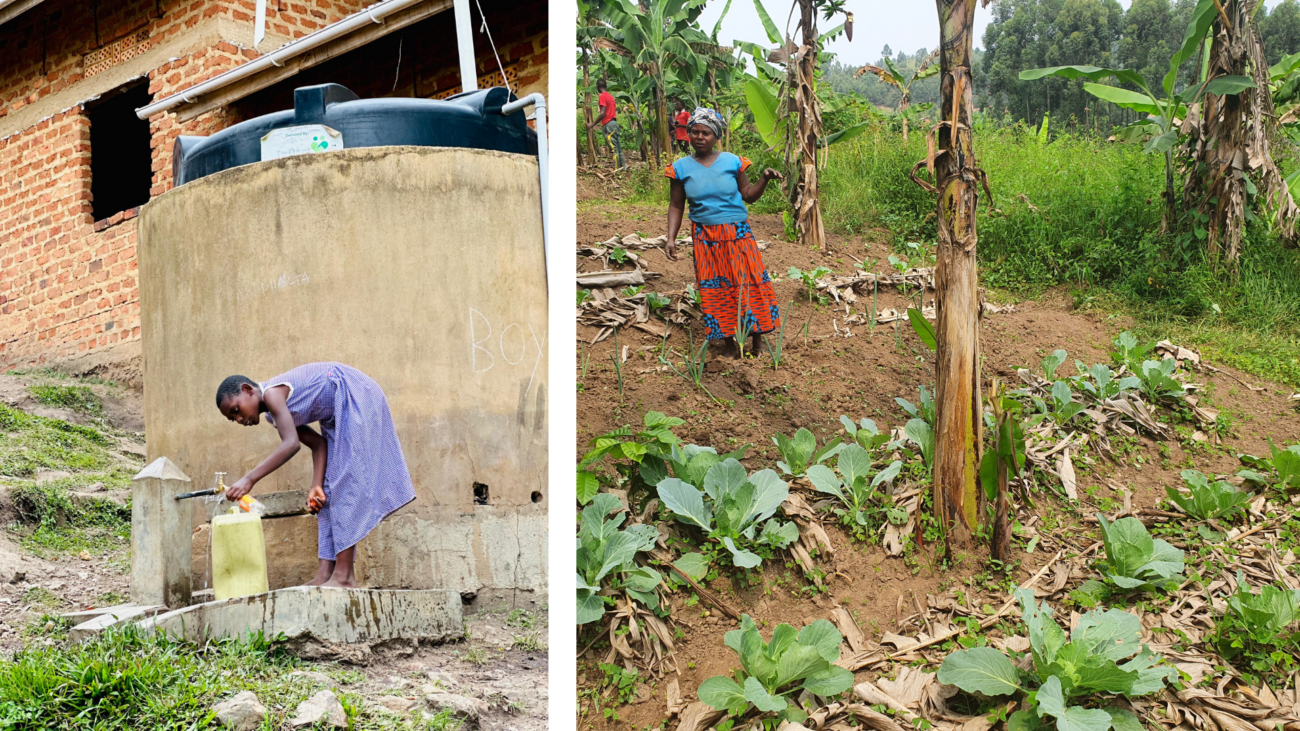
The project installed 110 rainwater harvesting tanks: 100 household tanks, each with a capacity of 1,000 litres, and 10 institutional tanks of 6,000 litres serving schools and health facilities. The tanks were installed through a cost-sharing approach: households and institutions contributed by providing the cement base and gutters, at an estimated cost of around USD 25 for households and USD 90 for institutions, while the project covered the remaining costs. These systems provided immediate access to clean water for approximately 500 direct beneficiaries, while wider community access benefited more than 1,000 additional people as neighbours also benefited from these water harvesting tanks.
Families and schools also received in total 8,380 vegetable seedlings and 1,600 fruit tree seedlings, alongside training on nutrition, food security and healthy diets.
To support cleaner and more efficient households, 100 households received solar lighting systems through a cost-sharing model, with 70% of the cost covered by InPact and Suyana and the remaining 30% contributed by beneficiaries through a loan. All beneficiaries have fully repaid their loans. Furthermore, energy-efficient stoves also contributed to a 50% reduction in firewood consumption, reducing the resources required for cooking while helping create healthier household environments.
The project also supported livelihoods through 50 income-generating starter packages, combined with business and financial literacy training and skills development designed to strengthen sustainable household incomes.
From support to self-reliance
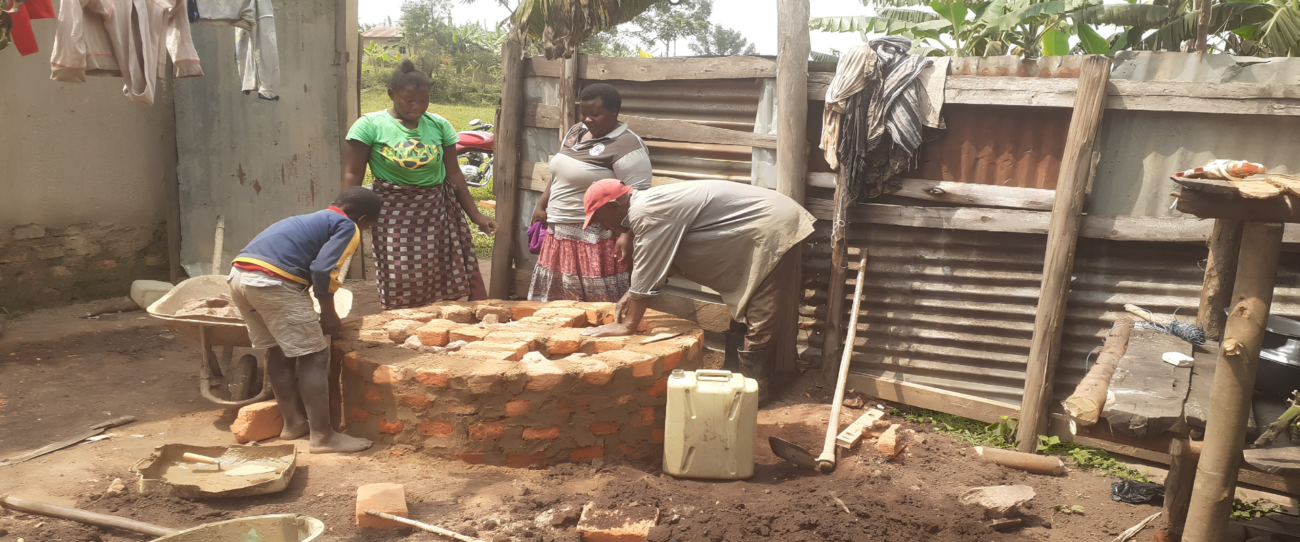
A central element of EMPOWER 360 was its focus on community ownership. Through a cost-sharing approach, participating households and institutions contributed to the installation of key infrastructure, while local WASH Champions and existing community structures (e.g. Village Health Teams) were involved in training and mobilisation.
This approach was designed not simply to provide resources, but to help families develop the knowledge, skills and confidence needed to maintain and replicate positive practices.
The project has already generated benefits beyond the initial group of beneficiaries, with neighbouring households beginning to adopt practices introduced through the programme.
As Naume, a participant from Kanungu District, describes her experience: “This tank is more than just water. It is the result of our hands, our sweat, and our love.”
Building on local structures
EMPOWER 360 was implemented in close coordination with existing local government structures, with the aim of strengthening sustainability beyond the project’s direct implementation period.
By combining practical household solutions with training, community mobilisation and cost-sharing, the project sought to create conditions in which families and local actors can continue building on what was achieved.
While the EMPOWER 360 project has now come to an end, the knowledge, practices and community ownership developed through the project are intended to continue supporting healthier, more resilient and more self-reliant households in Kanungu District.