
Learning Beyond the Classroom: The First Weeks of the New Suyana School Scholarship Students
Two weeks after classes began, participants in the third 2026 cycle are discovering much more than the training modules: new responsibilities, classmates from different regions and territories, and, for some, their first experience away from home.
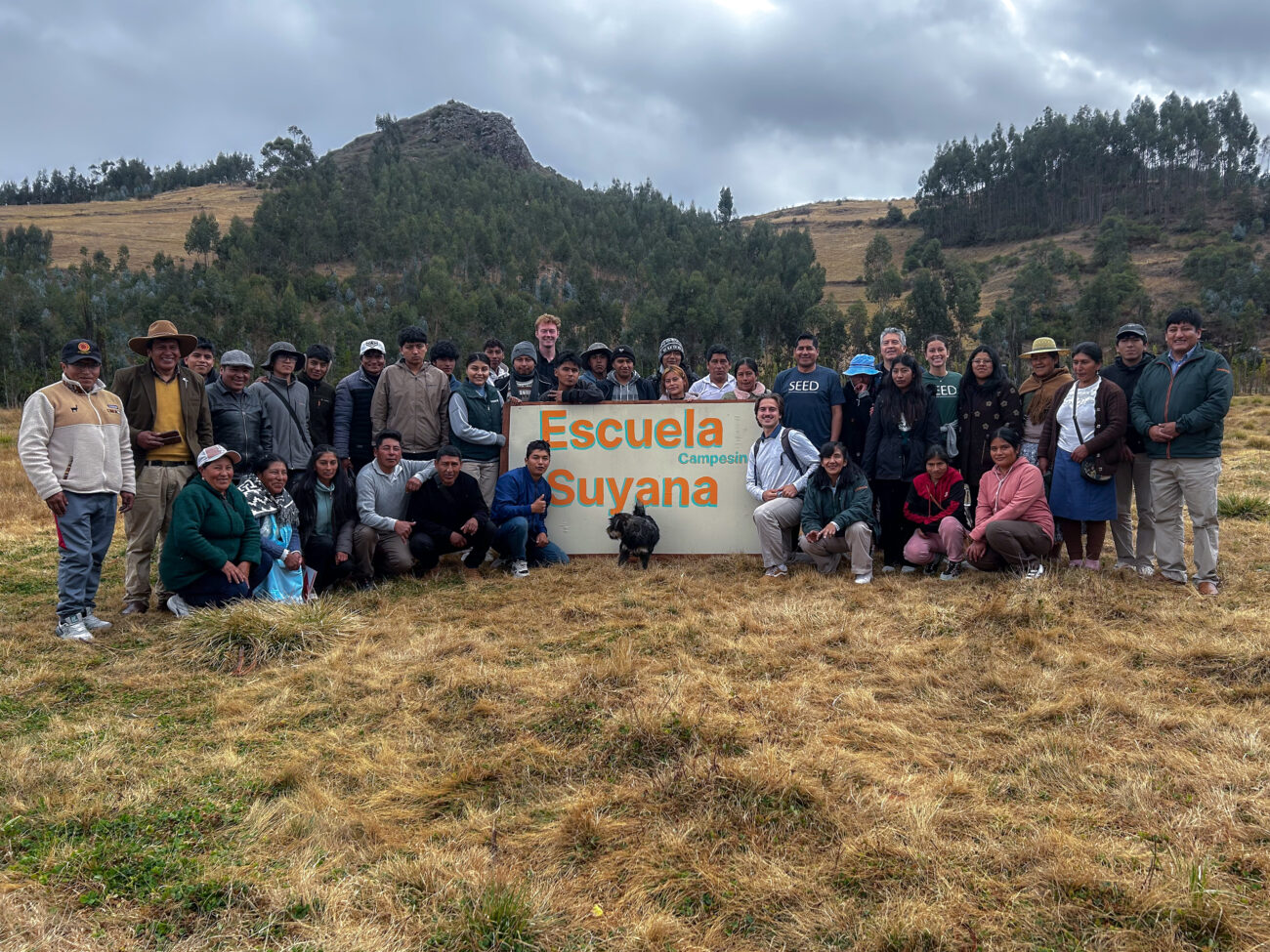
Cusco, August 25, 2026.– Two weeks ago, 41 young people arrived at Suyana School, in Ancahuasi, Cusco, to begin an experience that, for several of them, started long before they entered the classroom. Some left home for the first time. Others arrived from Bolivia. Some are still unsure about what career they want to pursue, while others have already left behind a course of study that did not feel right for them. And some arrived with a clear goal: to learn something they can take back to their families and communities.
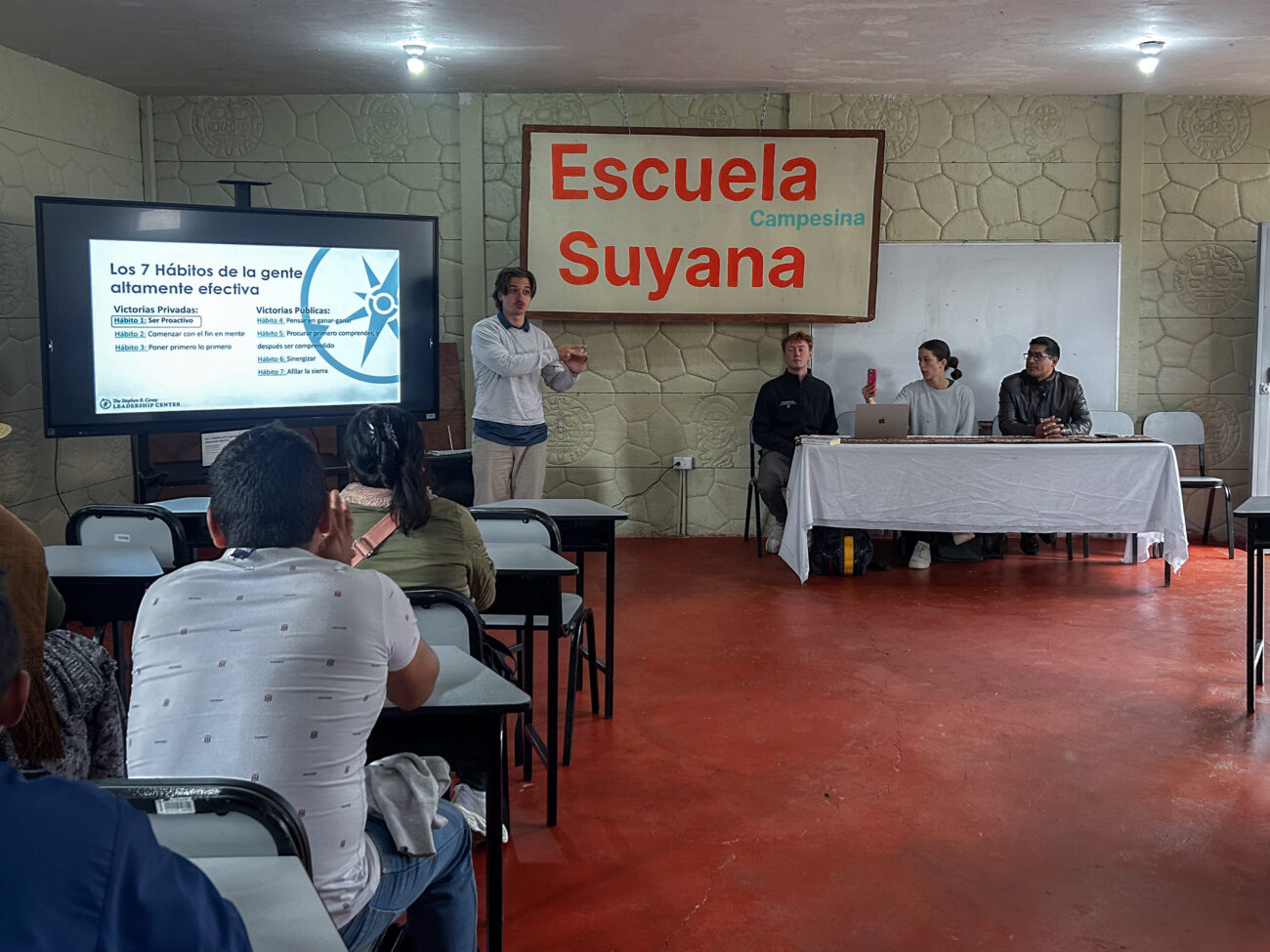
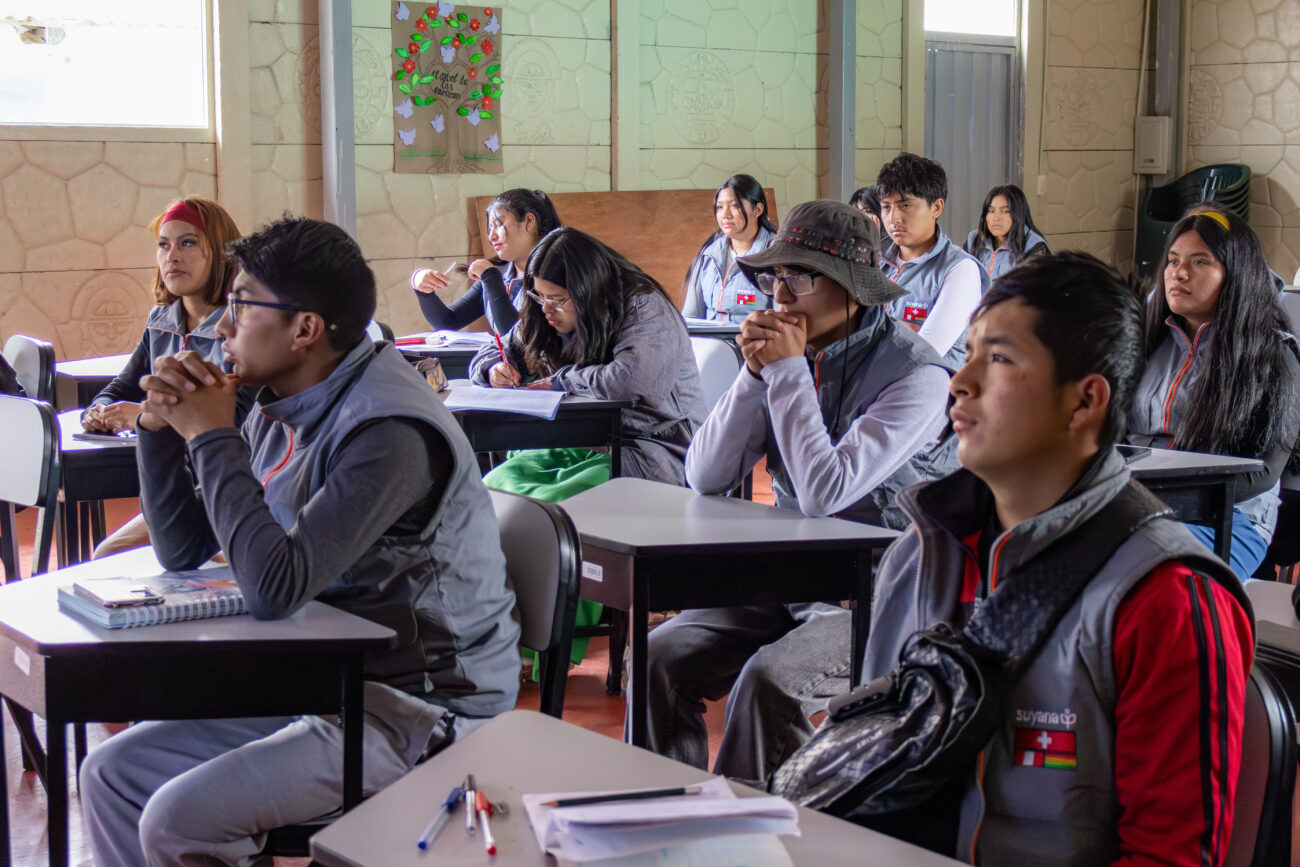
Since August 10, the scholarship students participating in the third cycle of 2026 have begun a two-and-a-half-month residential training program, with more than 15 technical and productive modules, as well as verbal and mathematical skills reinforcement, guidance, and support. But in their first few days, the experience has already offered them lessons that were not necessarily part of the curriculum.
Four Young People, Four Paths to the School
Nineteen-year-old Yessi Castillo arrived from San Juan Capilla, in Conduriri, Puno, after a period of searching. After finishing high school, she was not sure what she wanted to study. She had initially applied to study Human Medicine, but discovered that it was not for her. Her connection with rural life and animals began to offer her another clue about her future. “Because I come from an area where alpacas are raised, I really like them, and I also really like the countryside,” she says.
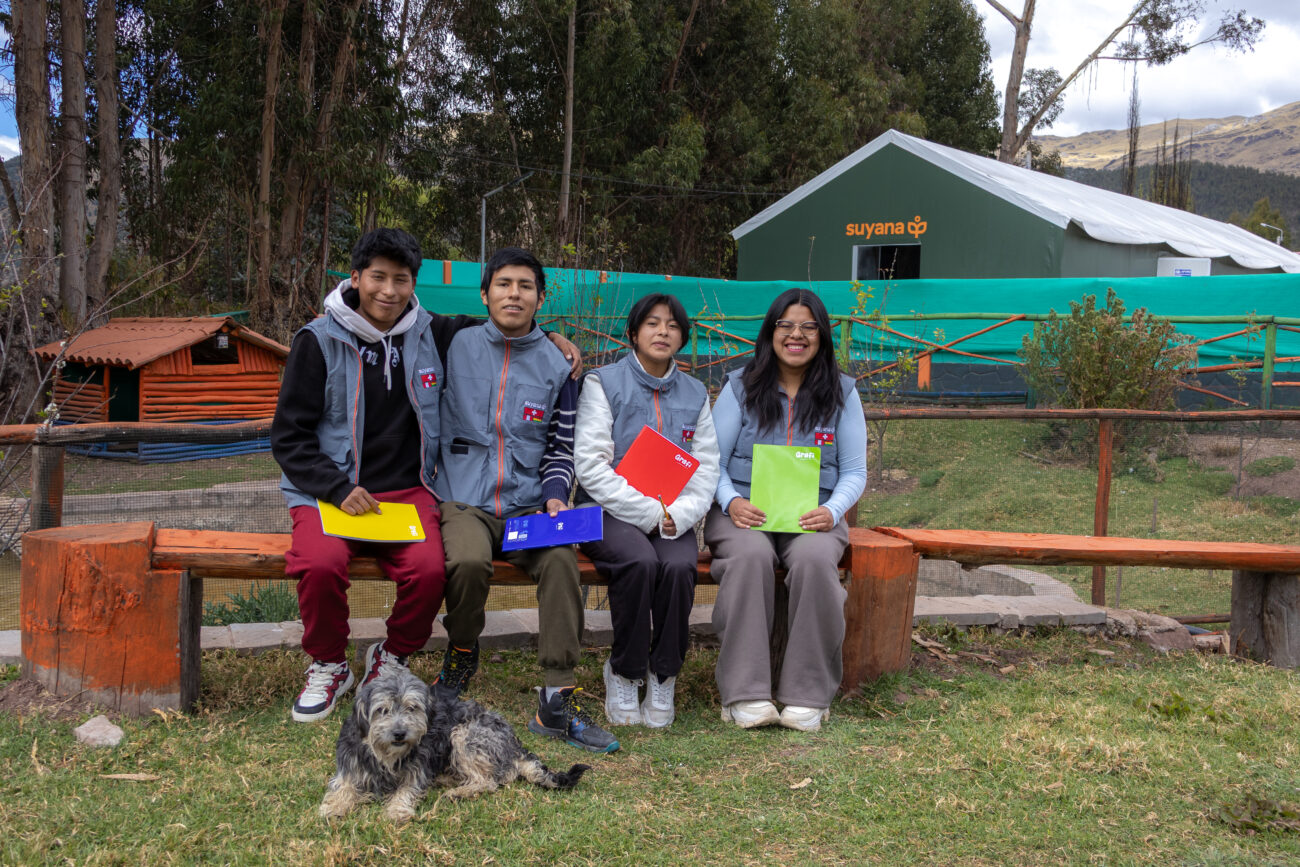
When she learned about the call for applications, it was precisely the training topics that ultimately convinced her. “When I saw the opportunity and the courses they offered, such as animal health, learning about Andean culture, or experiential tourism, they really caught my attention.” Today, after two weeks, there is another part of the experience that she values: meeting young people who, like her, have arrived from different places. “I really like that there are people from other places because I can learn about other people’s contexts.”
For Hellen Rojas, 23, from Chincheros, Apurímac, the path to the School began by listening to the radio with her mother. News of a call for applications eventually became a concrete opportunity for both her and her 18-year-old brother. The bakery and pastry modules, along with animal health, sparked her interest.
However, her decision was also driven by a family motivation. “My family is not doing well financially right now, and because everything is free, I took the opportunity and came to learn so that I can help my parents,” she explains. As the daughter of farmers and the eldest of five siblings, the opportunity to continue her education without her family having to cover the cost of her studies was a decisive factor.
Leaving Home and Crossing Borders
For Mayra Pomar Copa, 18, the call for applications took her even farther. She traveled from Qutusuma, a community in the municipality of Chulumani, in the Sud Yungas Province of the Department of La Paz, Bolivia. Before arriving in Cusco, she helped her family with coca production and had not yet decided what career she wanted to pursue. What she did know was that it would be the first time she would be away from home for such a long period.
“I was afraid because it’s two and a half months without being able to see my family and being far away from them. But over time, I started getting used to it,” she says. Two weeks later, the distance is beginning to turn into an experience she also wants to use to discover new places and learn about areas she had never explored before. When the cycle ends, she hopes to return with knowledge that can be useful to others.
From Cusco, but from a different reality, came Yhusban Caceres, 17, from the rural community of Combapata, in Yanatile. Before applying, he had left an Accounting program after one semester. “I didn’t like it; it wasn’t what I wanted. I studied it because I felt obligated to,” he recalls. He then began working harvesting oranges until his mother told him about the possibility of attending the School.
His family is mainly engaged in raising chickens and previously also raised guinea pigs. That activity came to an end when a disease affected all the animals, he says. For this reason, Yhusban found in the animal health and management training a concrete opportunity to learn and share what he learns. “I want to learn everything I can and pass that knowledge on to my mother,” he summarizes.
Learning Beyond the Classroom
During these first two weeks, the young people have already begun to discover that life at the School involves much more than attending classes. Living alongside classmates from different regions and countries, working as a team, and taking on shared responsibilities are all part of a daily experience that some did not expect.
Hellen, for example, was surprised to discover that the day begins even before breakfast. Starting at six in the morning, the groups organize themselves to carry out different tasks, ranging from cleaning common areas to caring for animals and other activities at the School. In her case, her group is responsible for tasks such as weeding.
For Mayra, who is also experiencing for the first time an extended period of living away from her family, contact with the animals and the School’s surroundings has been one of the new experiences. And for Yessi, who was more accustomed to working independently, one of the lessons of these first days has been learning to listen to others: “At first, I didn’t like it very much, but I think it really helps you listen to other people’s opinions”.
Two Weeks In, and Still a Long Way to Go
Unlike those who arrive at the School with a clearly defined plan, several of the young people in the third cycle are still looking for answers about their future. Others want to strengthen activities that already exist in their homes. And others, like Mayra, trust that exploring different areas will help them discover which path to follow.
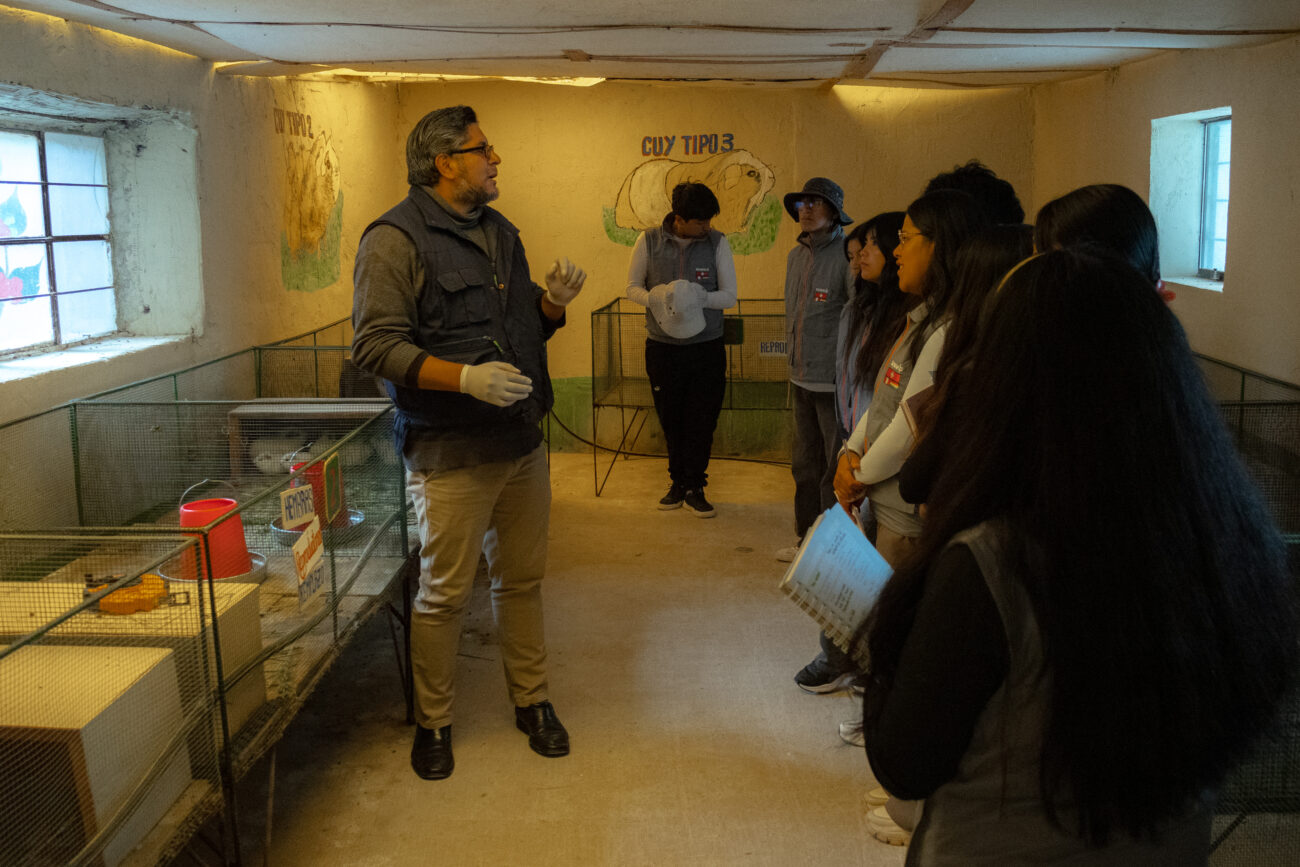
Over the coming weeks, the 41 scholarship students will continue their training through more than 15 modules and practical learning experiences. At the end of the cycle, each will return to a different territory: communities in Puno, Cusco, Apurímac, and other regions of Peru and Bolivia.
For now, only two weeks have passed since they arrived. But for those who left home, crossed a border, put their work on hold, or arrived without yet knowing what they wanted to study, the third cycle of Suyana School is already becoming something more than a scholarship: a space to explore, learn, and gradually imagine what they will do next.