
Suyana Foundation and an interinstitutional committee assess the progress of 14 OECAs across seven municipalities in La Paz
The final evaluation provided insight into the progress, challenges, and prospects of rural economic organizations (OECAs) engaged in the production and processing of honey, cereals, fruit, dairy products, maize, coca, locoto peppers, and other local products.
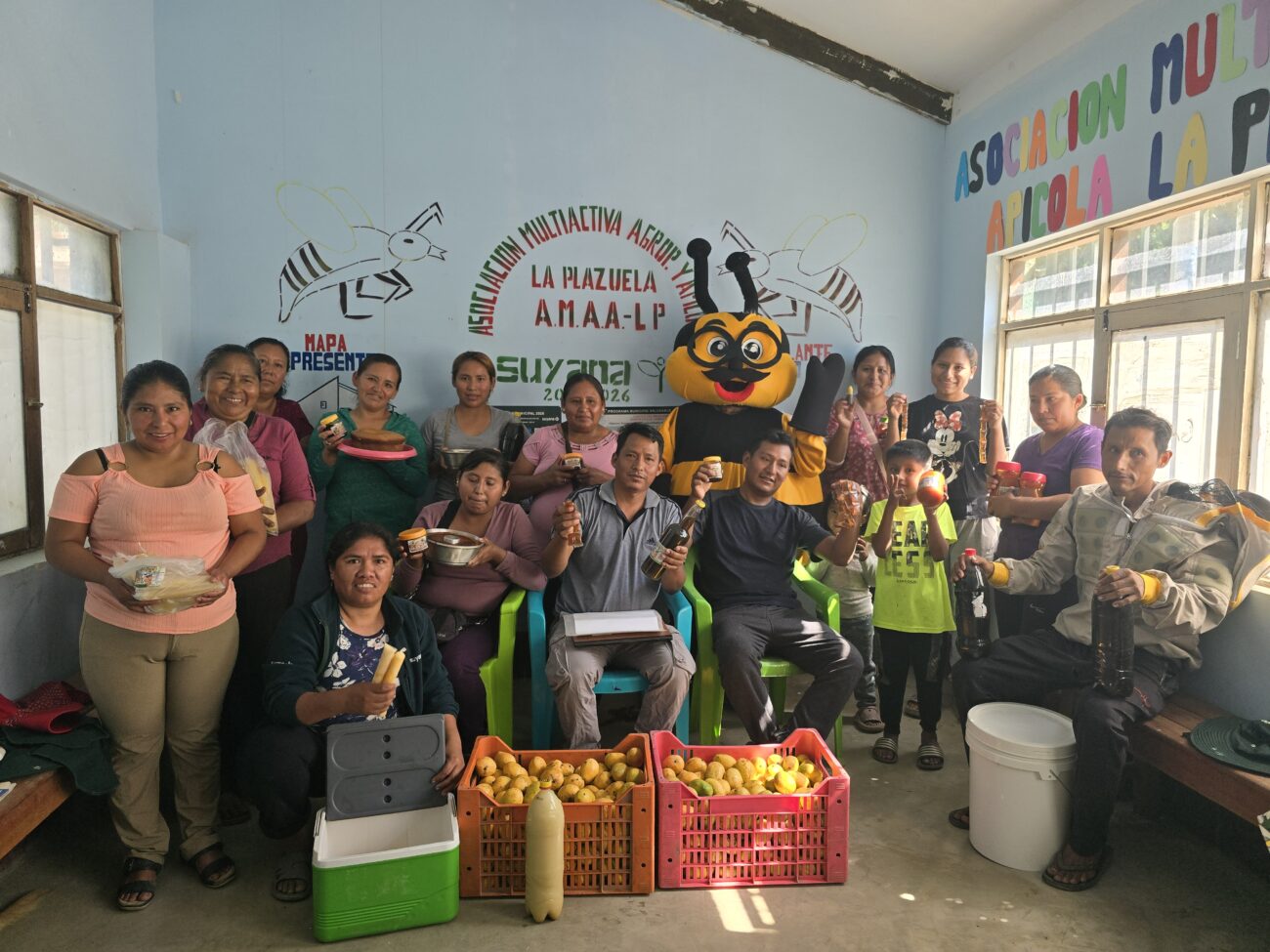
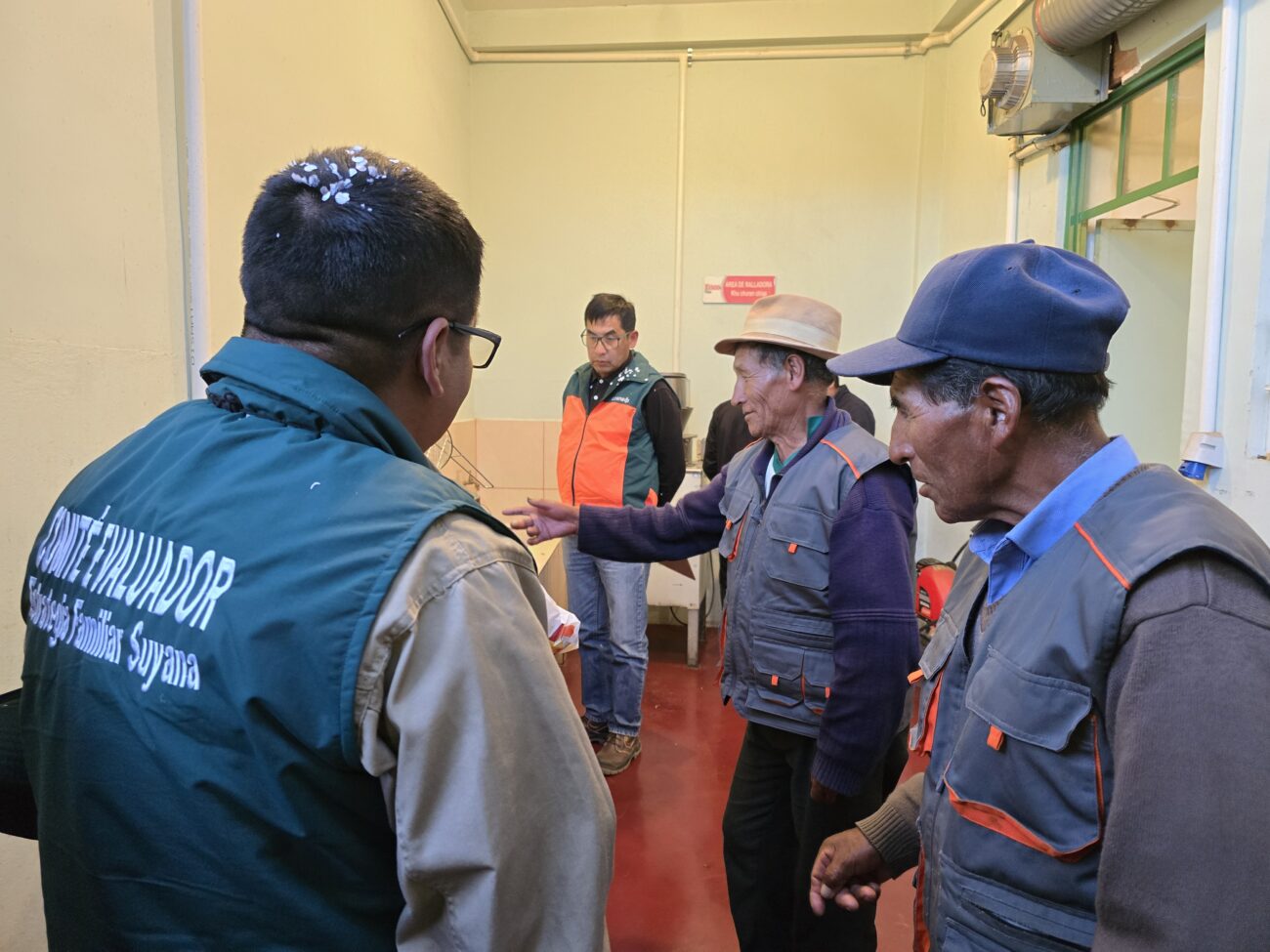
Together with specialists from the Universidad Mayor de San Andrés (UMSA), the Autonomous Departmental Government of La Paz (GADLP), and the National Service for Agricultural Health and Food Safety (SENASAG), Suyana Foundation completed the final evaluation of 14 Rural Economic Organizations (OECAs) across seven rural municipalities in the department of La Paz.
The activity formed part of the conclusion of the organizational strengthening process implemented during the 2024–2026 period through the Sustainable Economic Development and Environment Subprogram (DESMA) of the Healthy Municipality Program. The evaluation provided firsthand insight into the progress achieved by the organizations, identified the challenges they continue to face, and generated recommendations to strengthen their sustainability.
The visits took place over three days, from September 23 to 25, and fostered direct dialogue among the organizations, specialists from various institutions, and Suyana Foundation’s technical team.
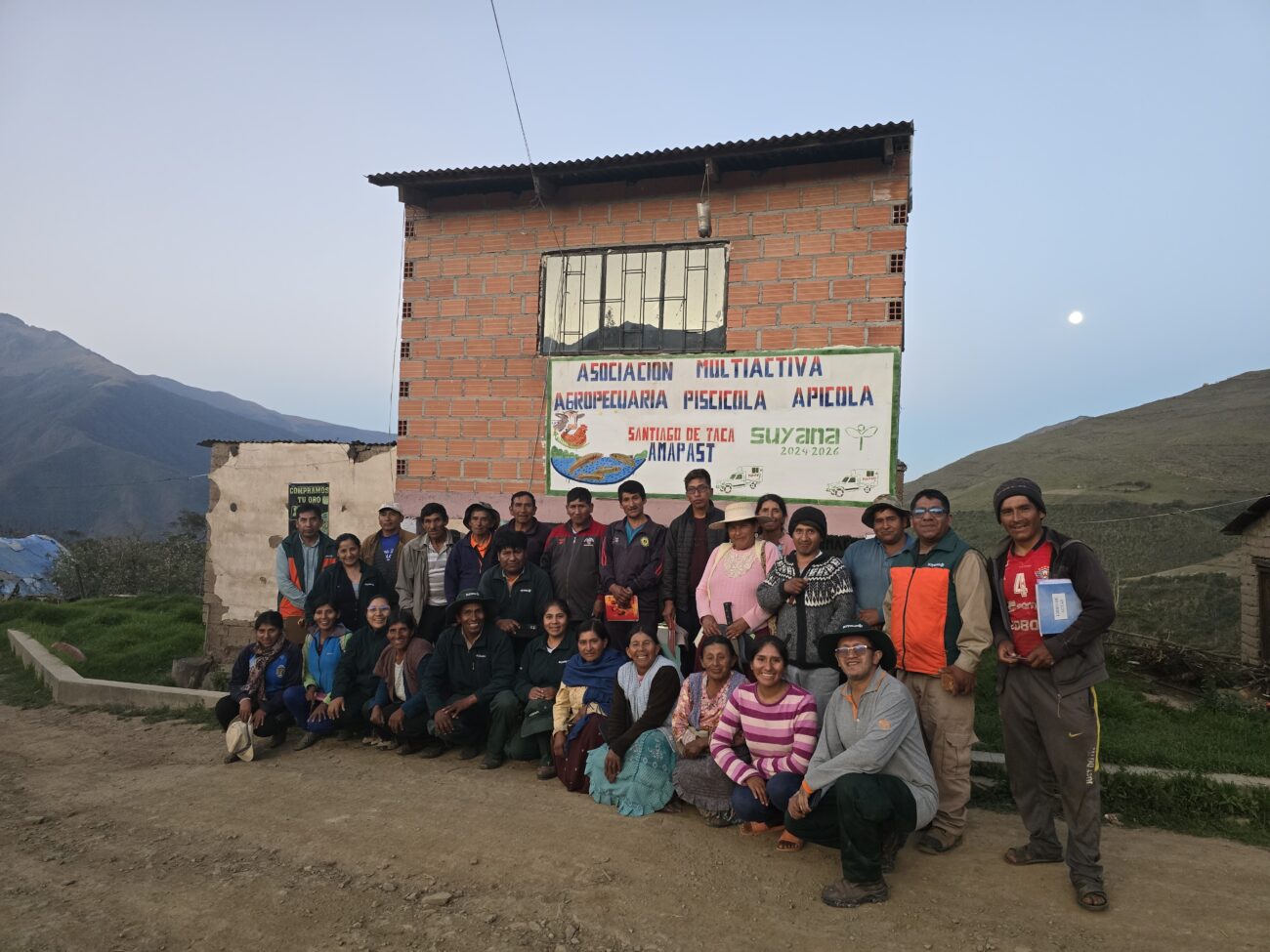
An Evaluation Committee with Institutional and Production Expertise
The interinstitutional committee comprised Eng. Alejandro Quiroga, from UMSA’s Department of University Entrepreneurship and Innovation (DEIU); engineers Freddy Carlos Mena Herrera, Bernardo Ticona, and Marco A. Patiño Fernández, from UMSA’s Faculty of Agronomy; Eng. Rodolfo Quispe, from the Departmental Agricultural Service of the Autonomous Departmental Government of La Paz; and Eng. Vicente Manrique, from SENASAG, with expertise in production and agricultural development.
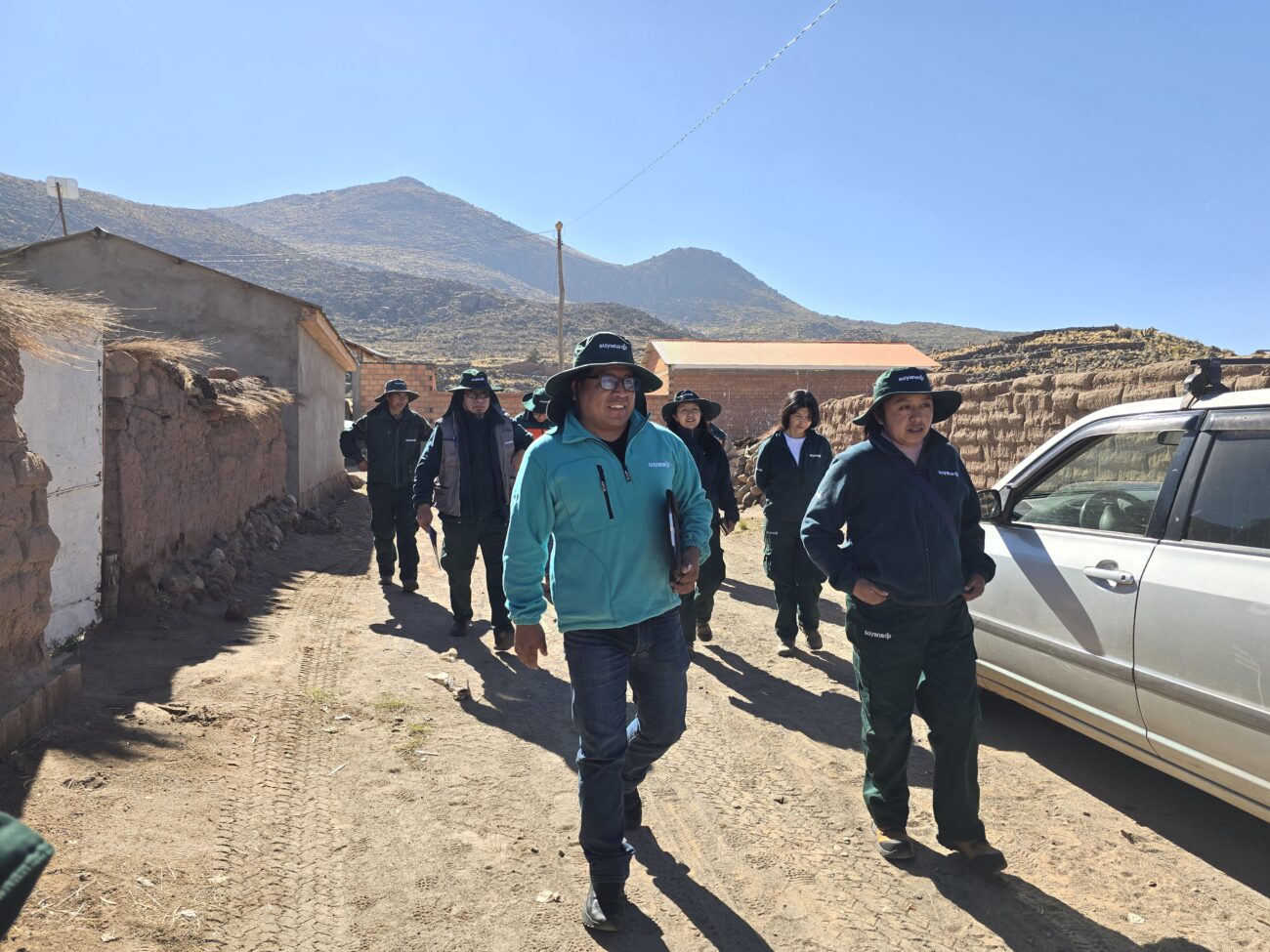
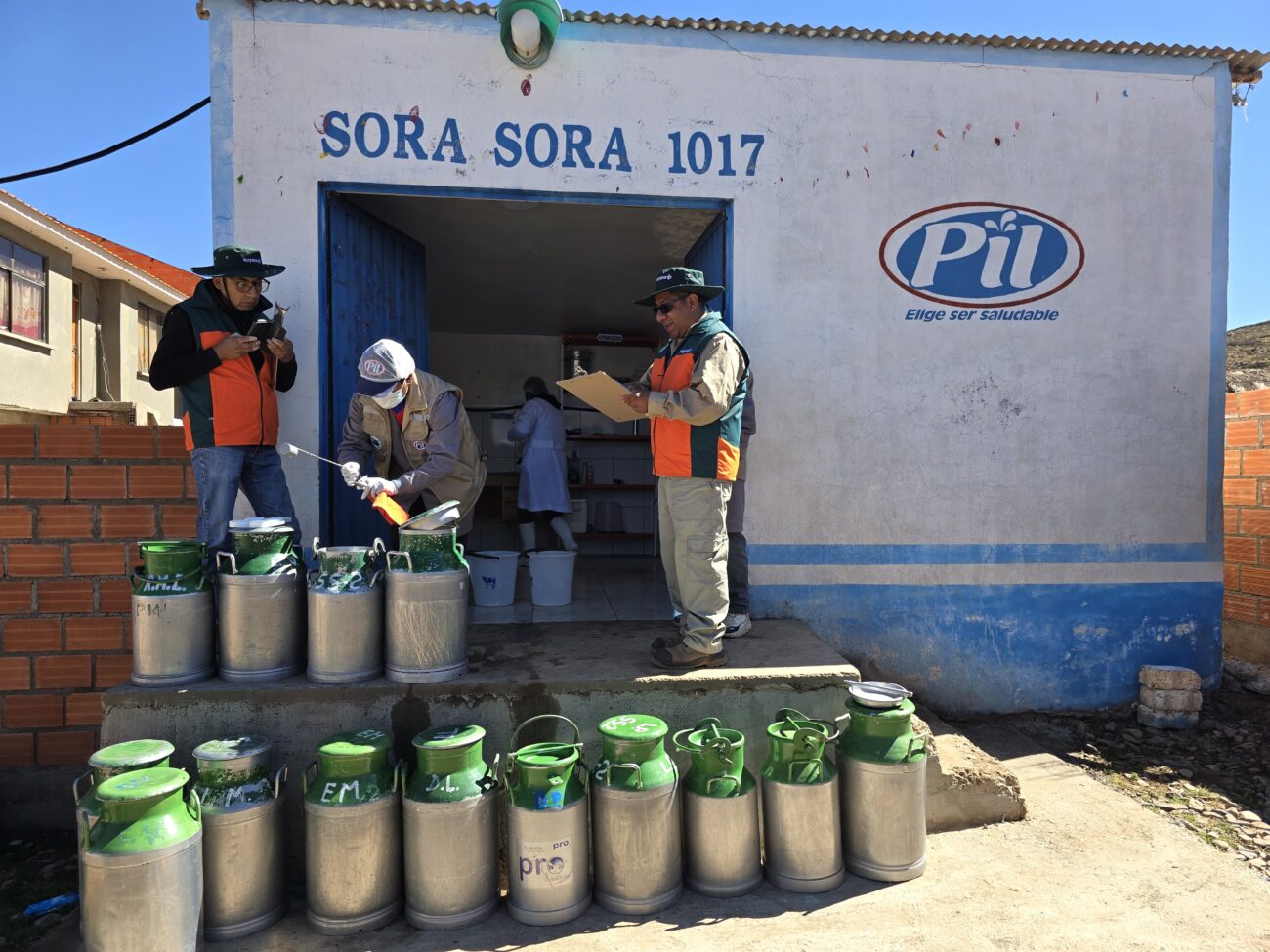
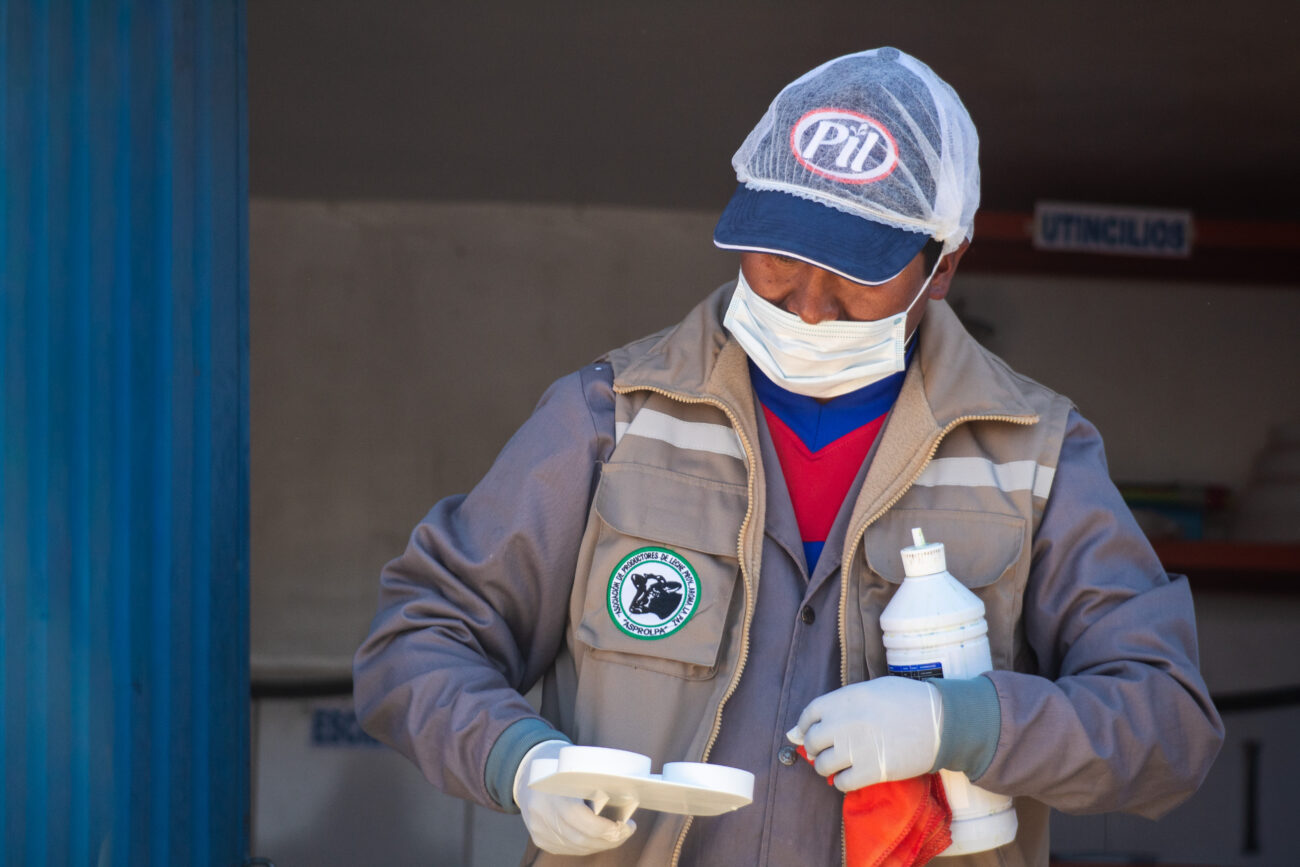
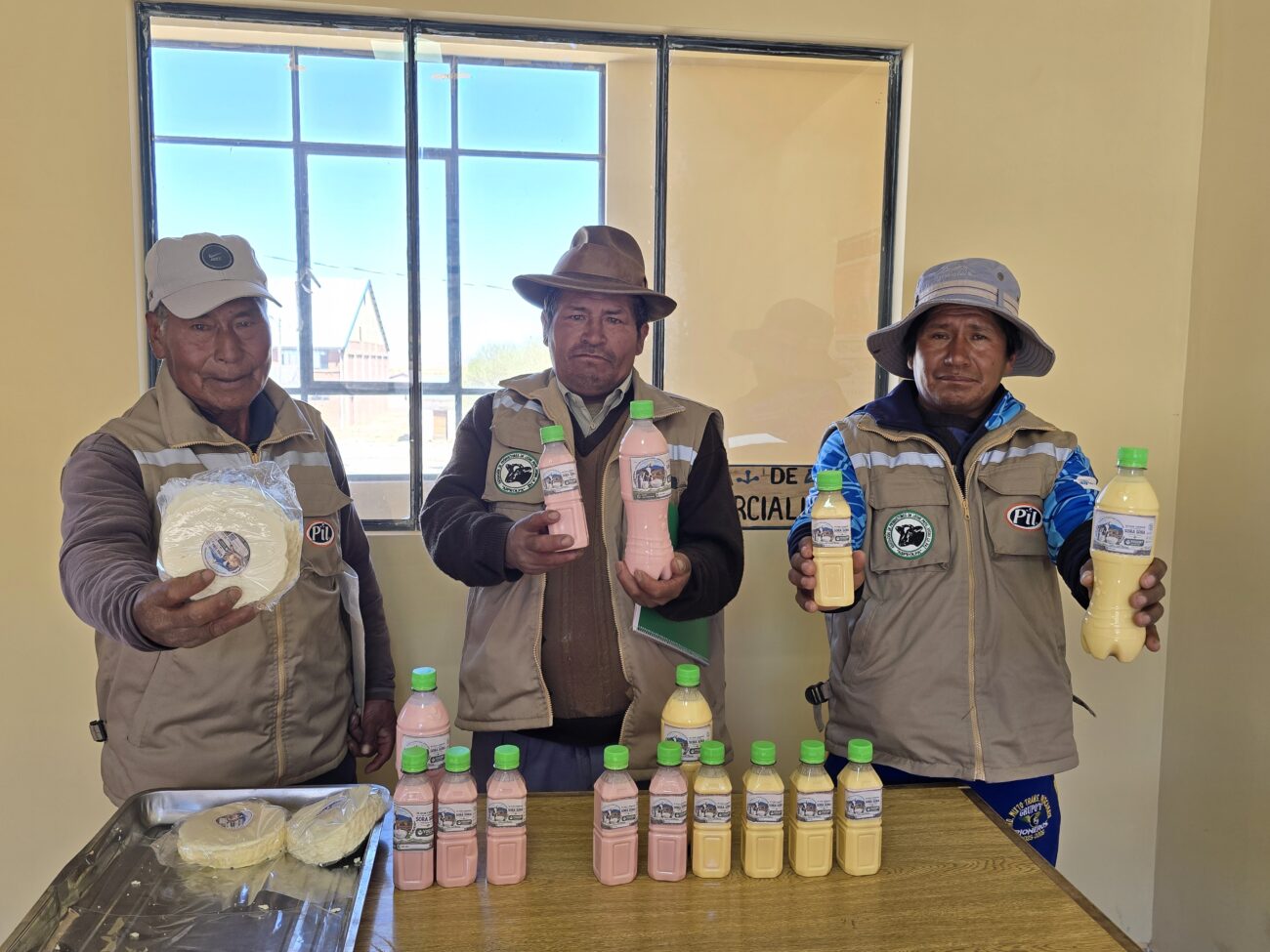
The participation of professionals with expertise in entrepreneurship, innovation, agricultural production, and territorial development enabled a comprehensive assessment of the experiences. The evaluation focused not only on the final products but also examined the OECAs’ internal organization, production processes, value addition, marketing conditions, and sustainability prospects.
As part of the field visits, the committee also met with Healthy Families participating in Suyana Foundation’s Family Strategy, “Living Well Through My Own Efforts.” Through this process, families improve their homes, adopt healthy practices, and strengthen their productive capacities with technical support. These visits provided insight into how changes initiated at the family level progressively contribute to sustainable production, stronger collective organization, and the consolidation of OECAs.
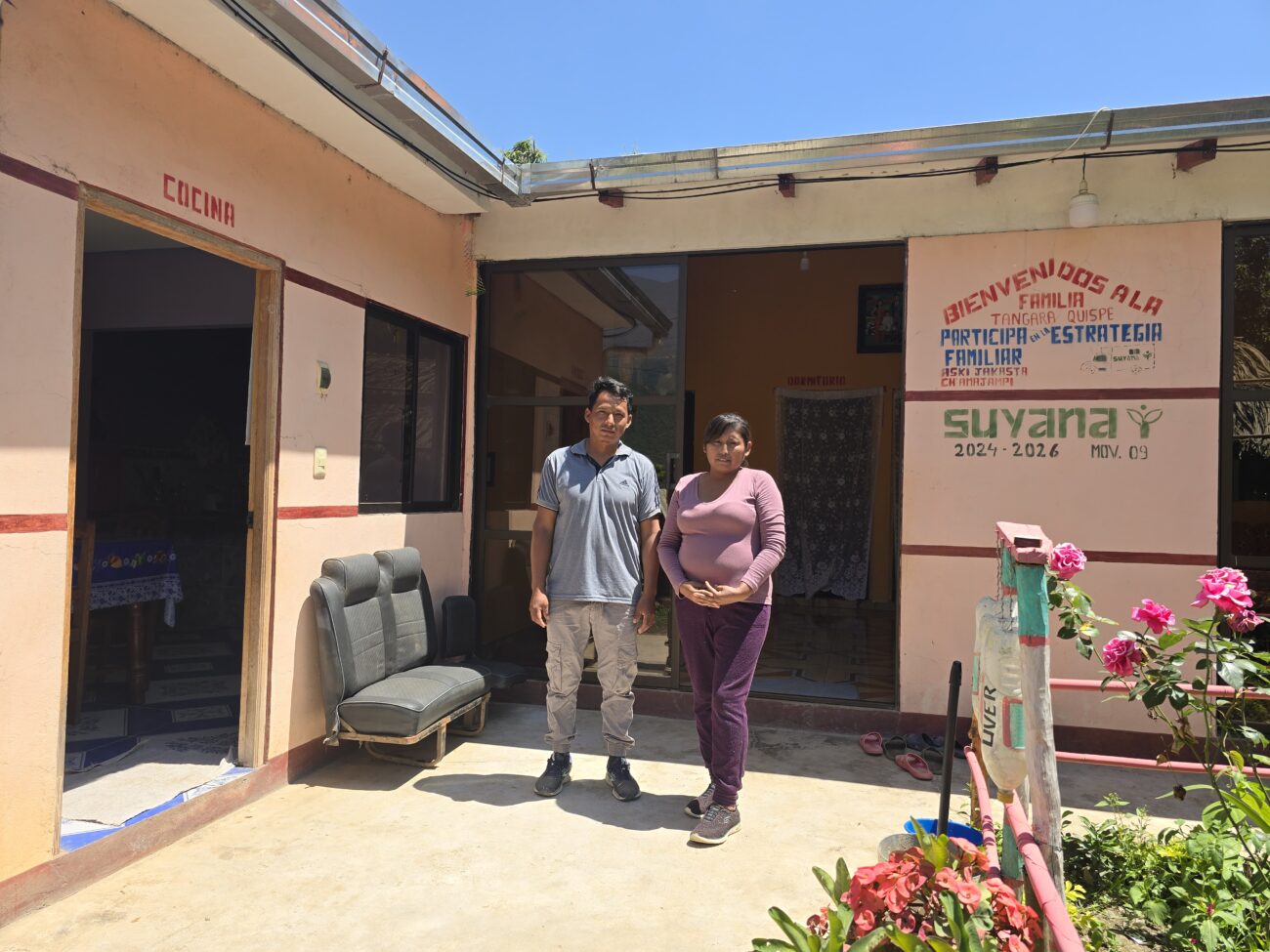
During the visits, the committee engaged in dialogue with producers, toured their workspaces, reviewed the available equipment and infrastructure, and learned about each organization’s experience. This exchange helped formulate recommendations to improve their processes and consolidate the progress achieved.
From Producer Families to an Established OECA
Rural Economic Organizations bring together women and men producers who work collectively to improve their production, processing, and marketing conditions. In addition to pooling skills and resources, these organizations facilitate knowledge exchange, joint decision-making, and the pursuit of better opportunities to bring their products to market.
Their importance extends beyond income generation. OECAs help strengthen household and community economies, promote the responsible use of the resources available in each territory, and foster productive alternatives that enable families to move toward greater economic autonomy.
Through the DESMA Subprogram, Suyana Foundation supports these processes by providing technical assistance, strengthening organizational capacities, improving the productive base, promoting value addition, and developing skills for marketing and self-management.
This work is carried out progressively through the Healthy Municipality Program’s Family Strategy. During the 2024–2026 three-year period, activities advanced from strengthening the conditions needed for healthy homes to improving family production, water availability, productive diversification, and, ultimately, collective organization and the consolidation of OECAs.
Experiences That Point the Way Toward Consolidation
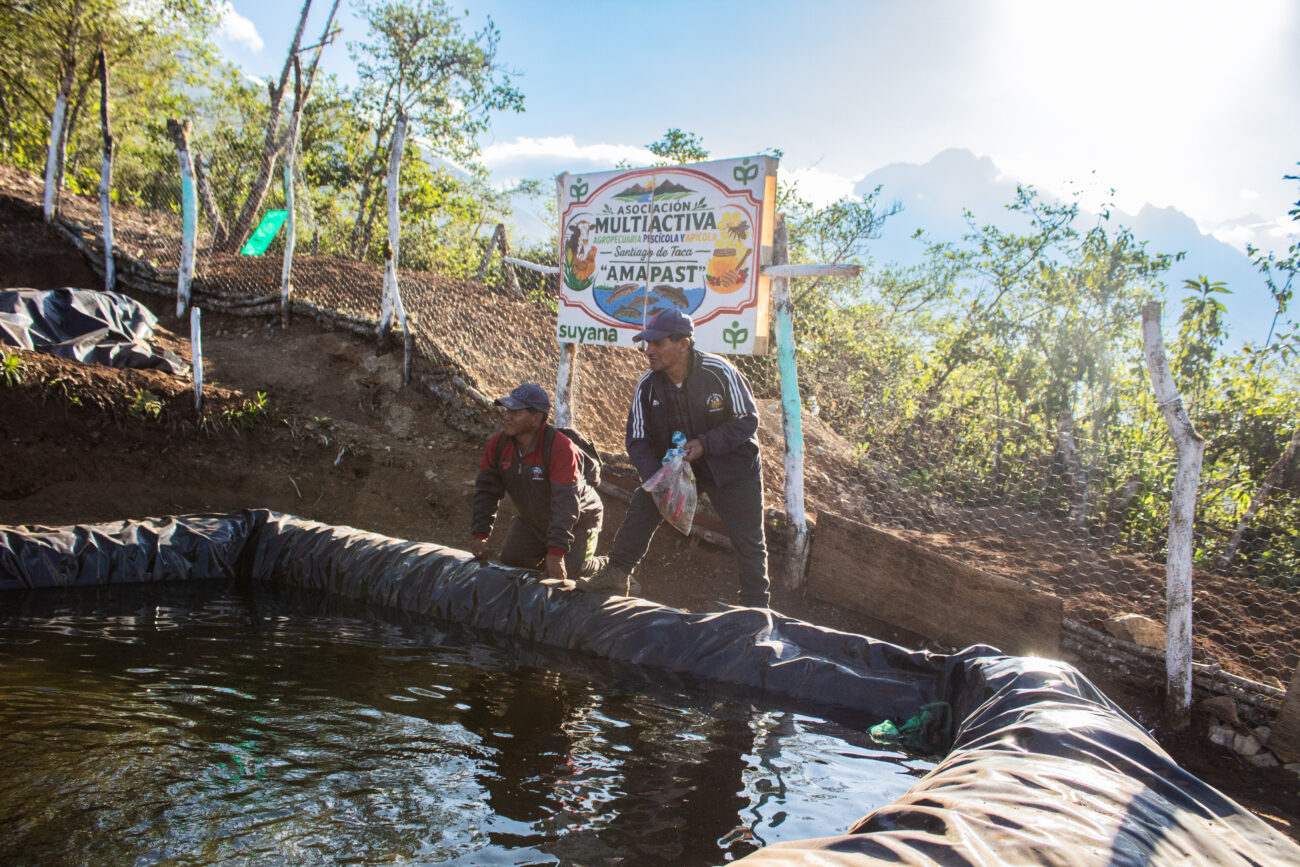
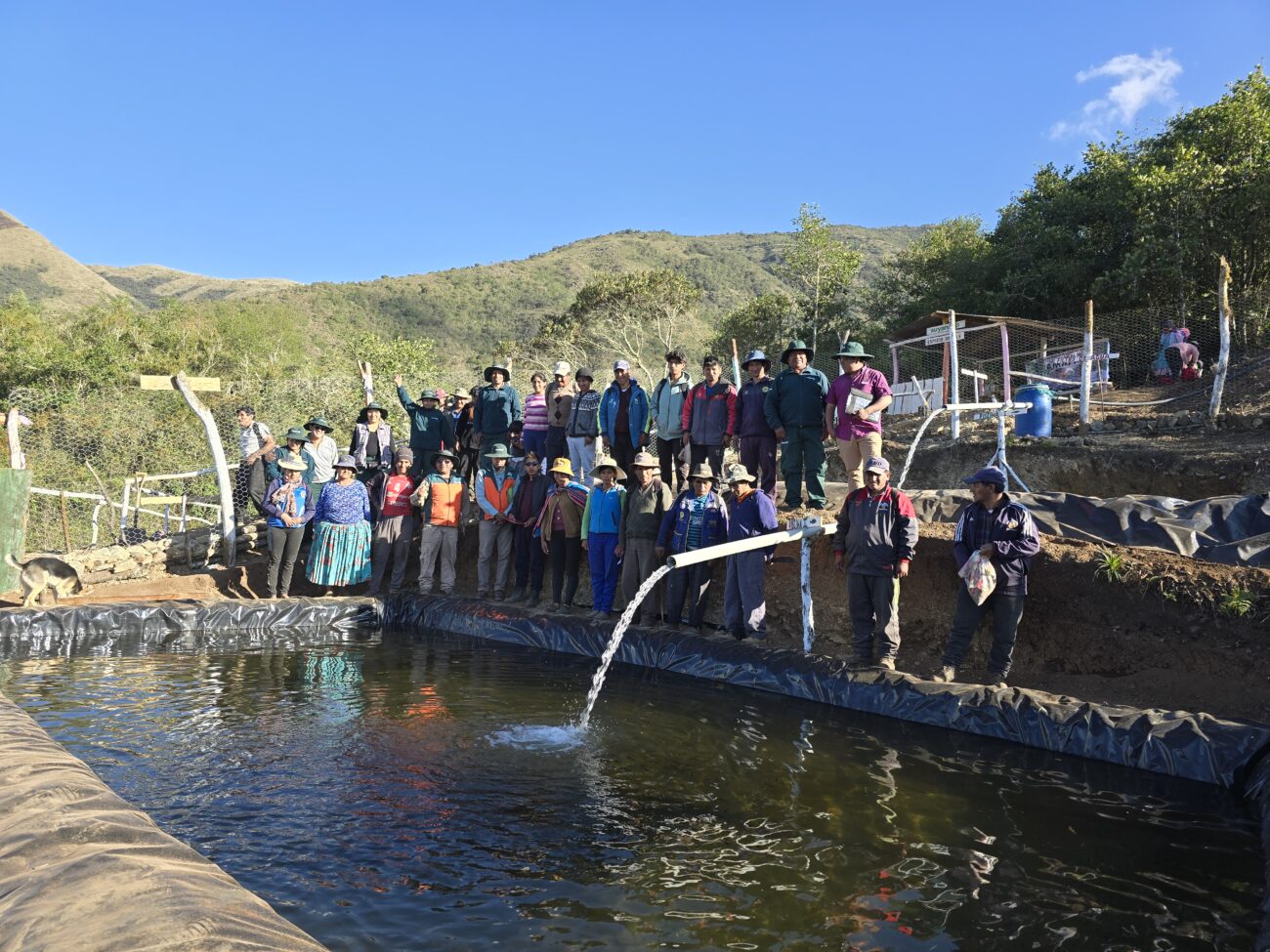
The evaluation showed that consolidating an OECA is a gradual process and that each organization begins under different conditions. In Santiago de Taca, municipality of Irupana, the families started from scratch to build a fish farm. They excavated the land to construct the ponds, installed geomembrane liners, transported trout fingerlings from Lake Titicaca, and sought technical training to learn how to manage them. During the visit, they presented each stage of the process and showed how much the fingerlings had grown.
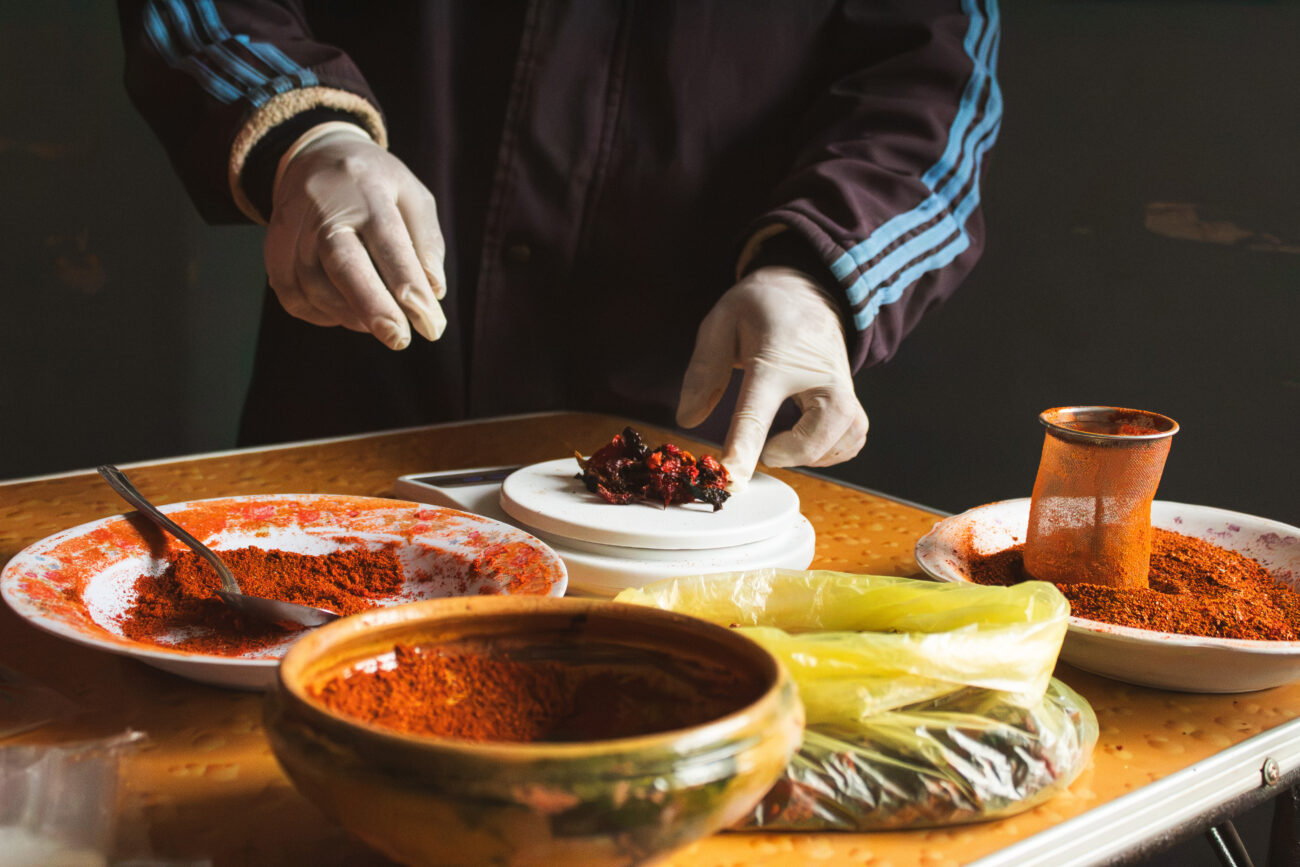
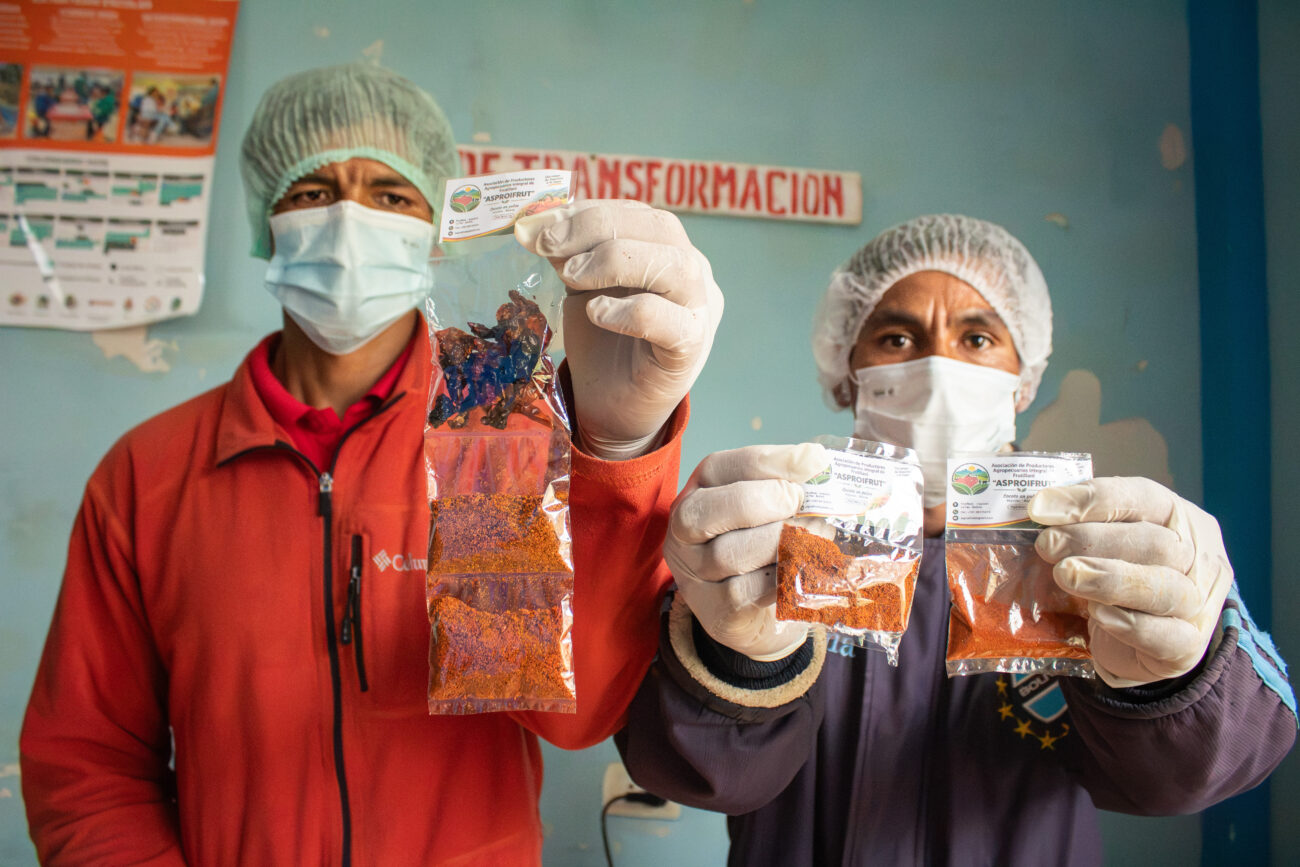
Other initiatives emerged from the need to reduce losses and make better use of local production. In Frutillani, families found that overly ripe red locoto peppers could not reach the city’s main markets in good condition. In response, they developed a process to dry the peppers and turn them into locoto powder, extending their shelf life and creating an alternative product for commercialization.
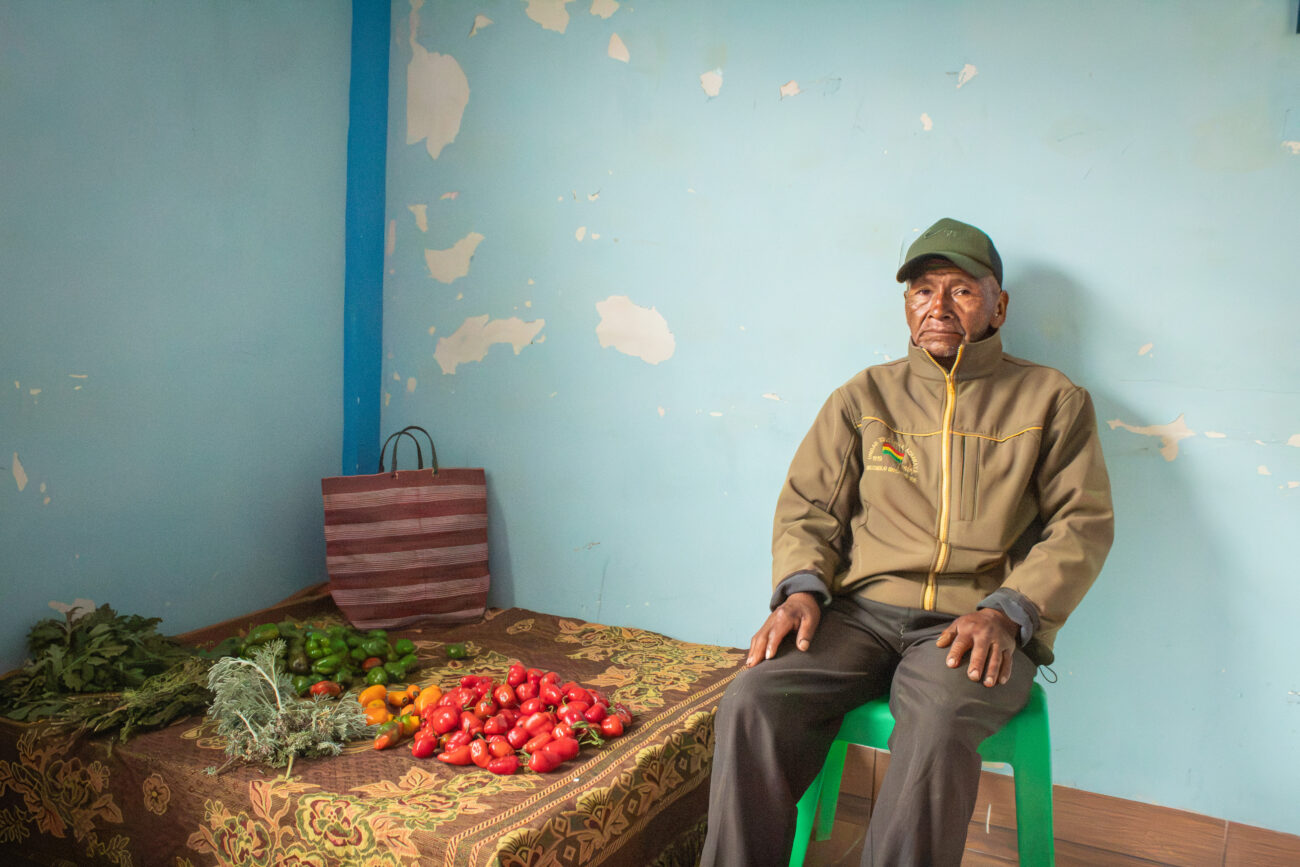
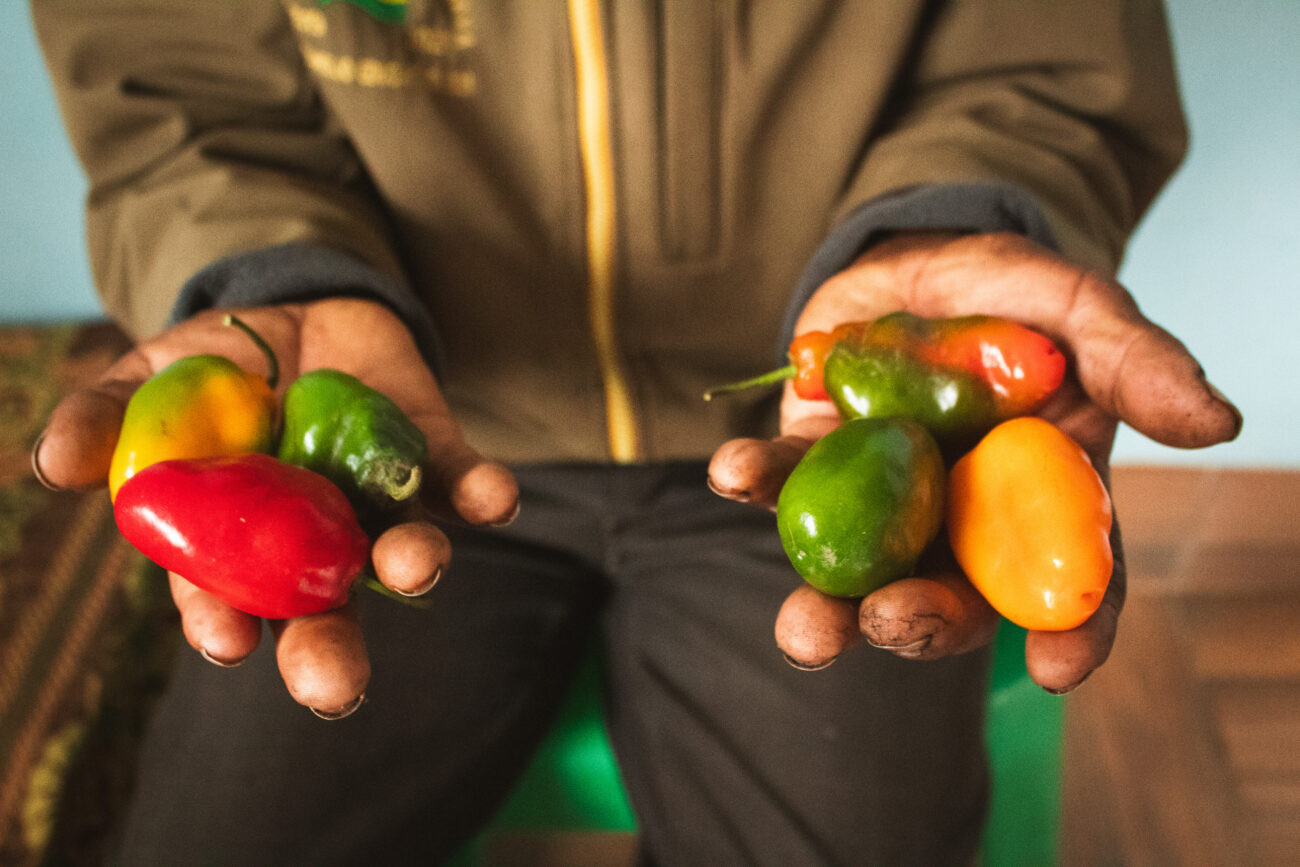
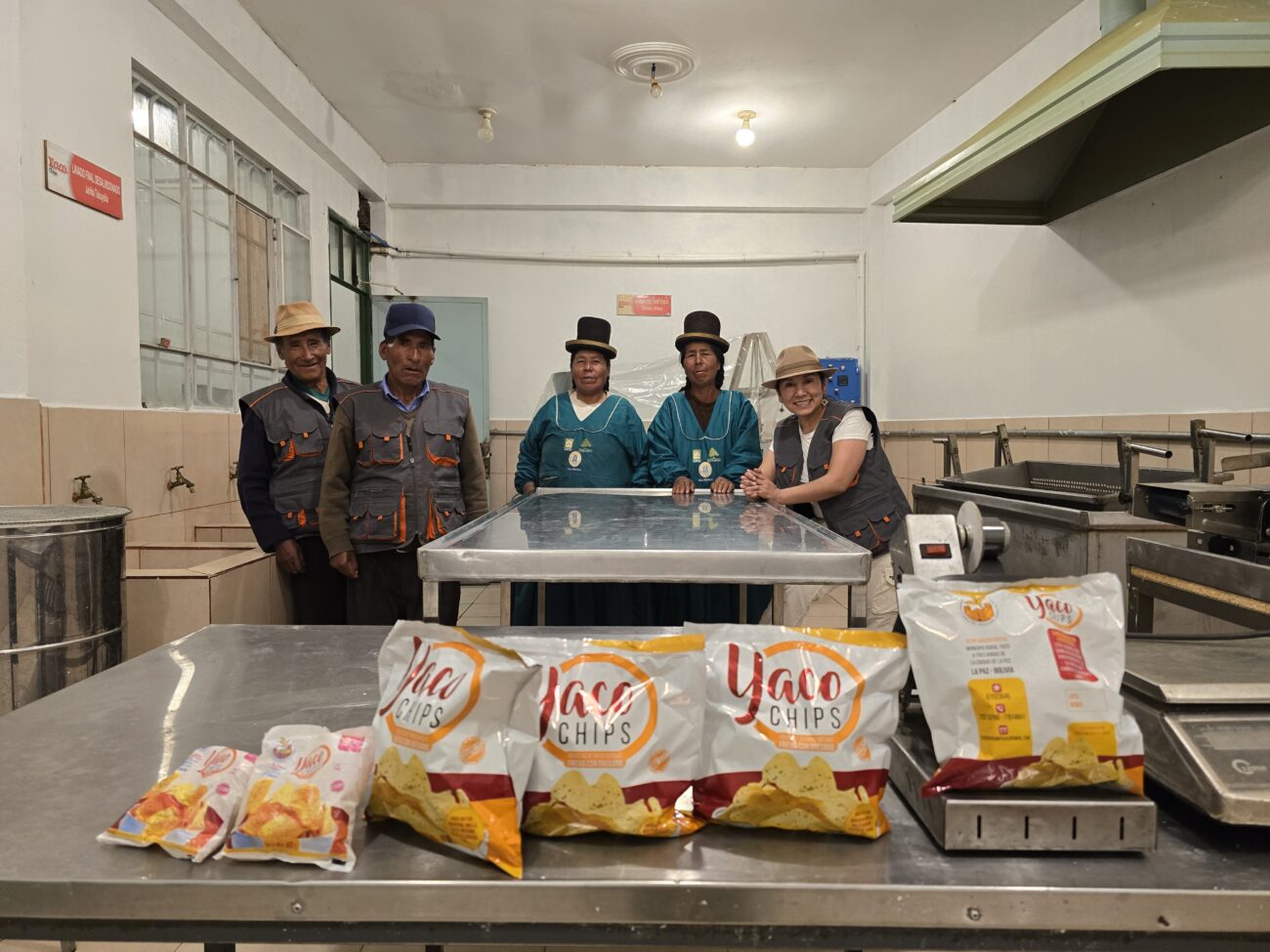
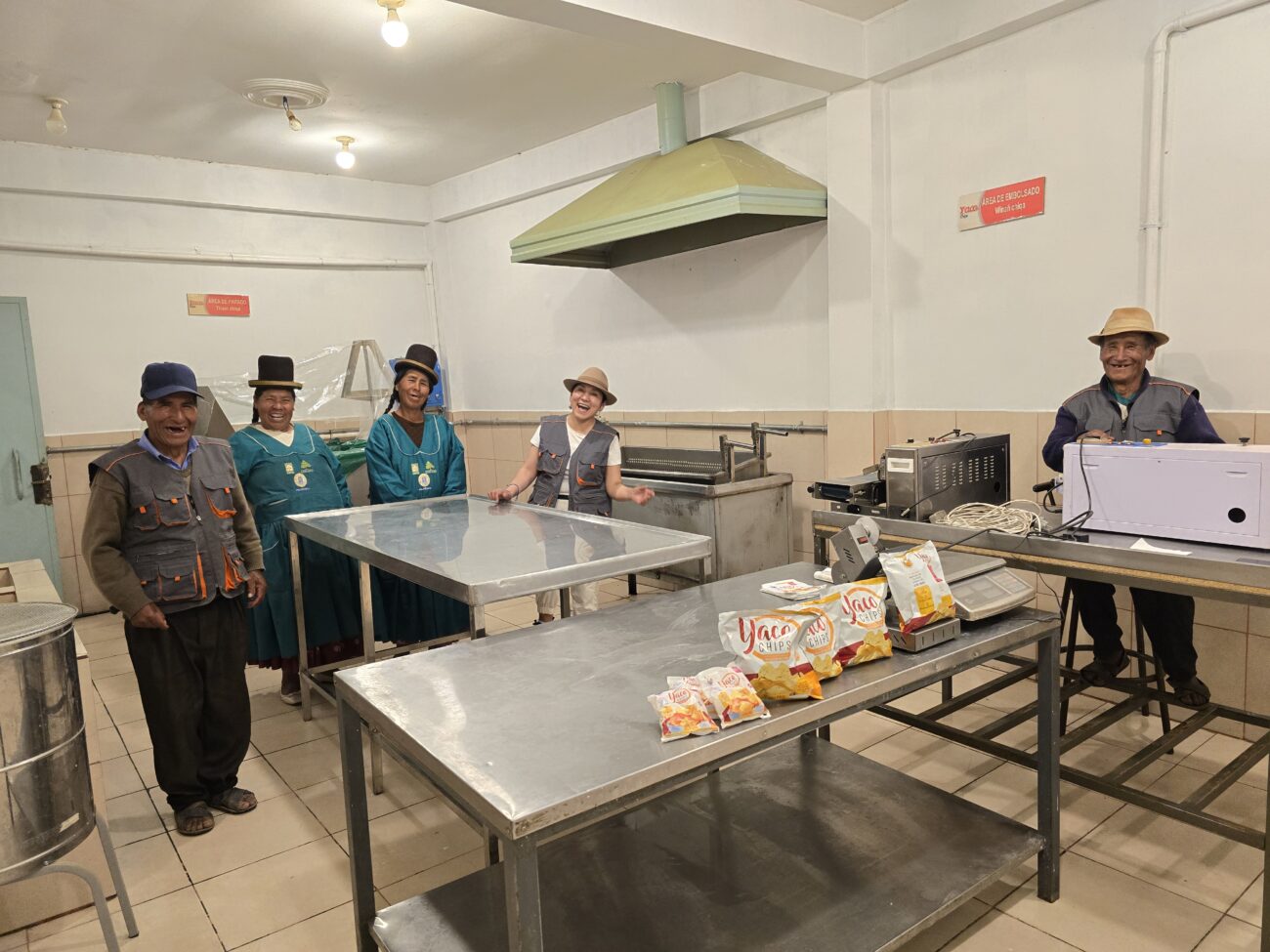
In Yaco, Yaco Chips represents a more advanced stage of consolidation. Families who grow native potatoes operate a processing plant where they turn their own raw material into value-added potato chips, which they sell through the municipality’s school breakfast program and distribute in EMAPA supermarkets.
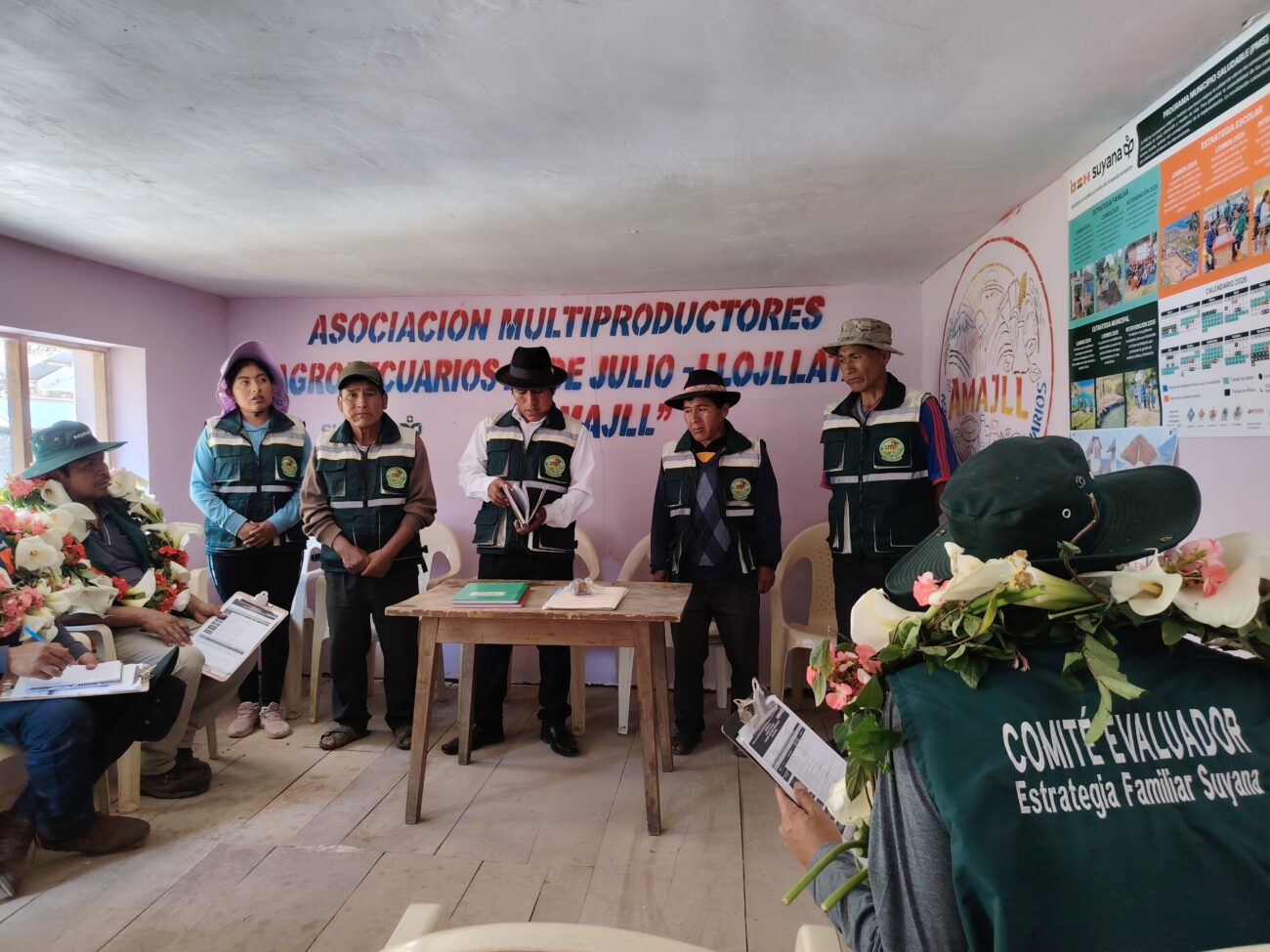
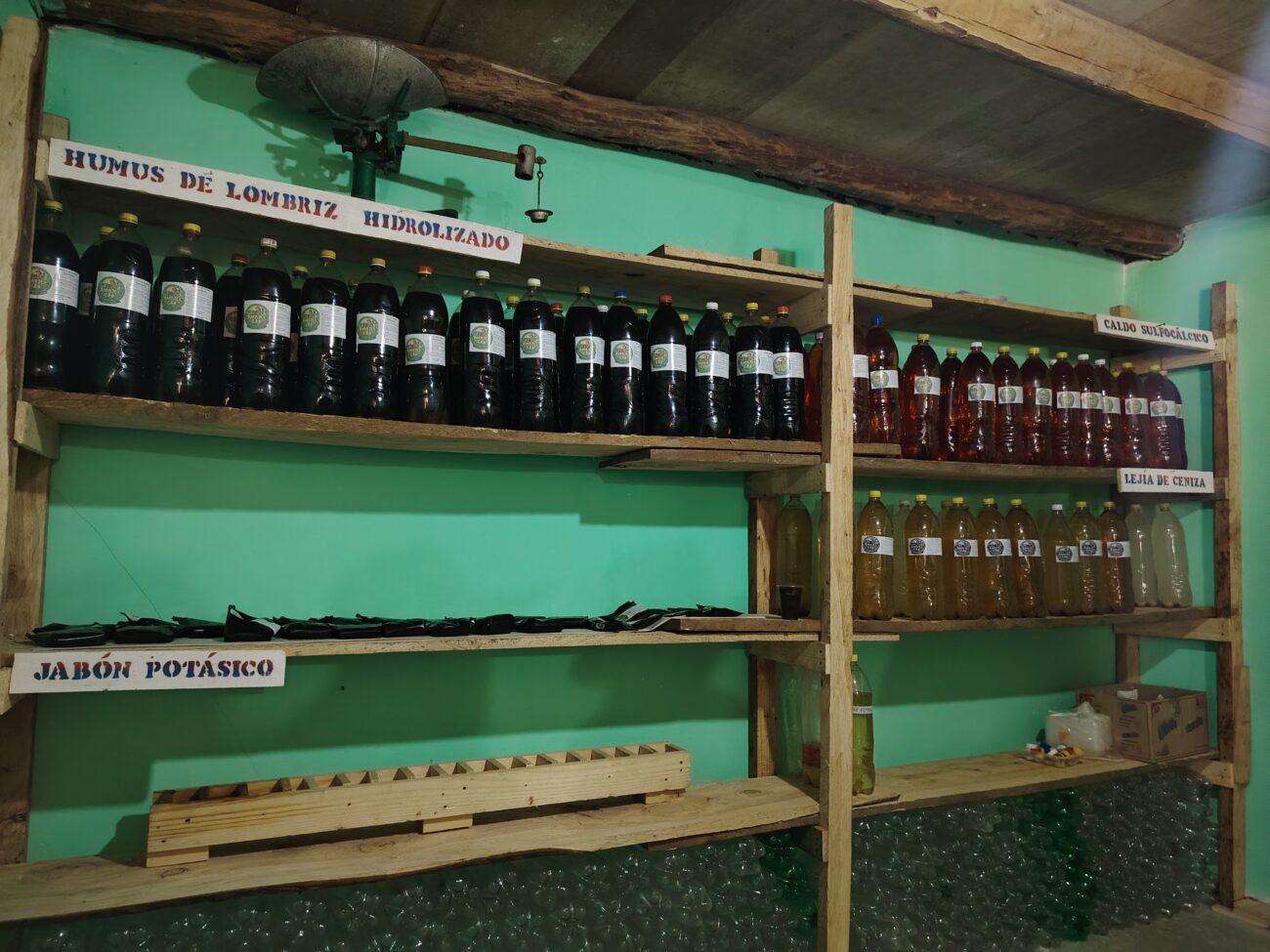
Diversification and partnerships were also key. In Llojllata, Carabuco, AMAJLL made progress in producing bio-inputs such as humus, hydrolyzed humus, potassium soap, lime sulfur, and wood ash lye. The organization also has designated areas for collection, processing, and marketing, as well as a sales agreement with the Municipal Government.
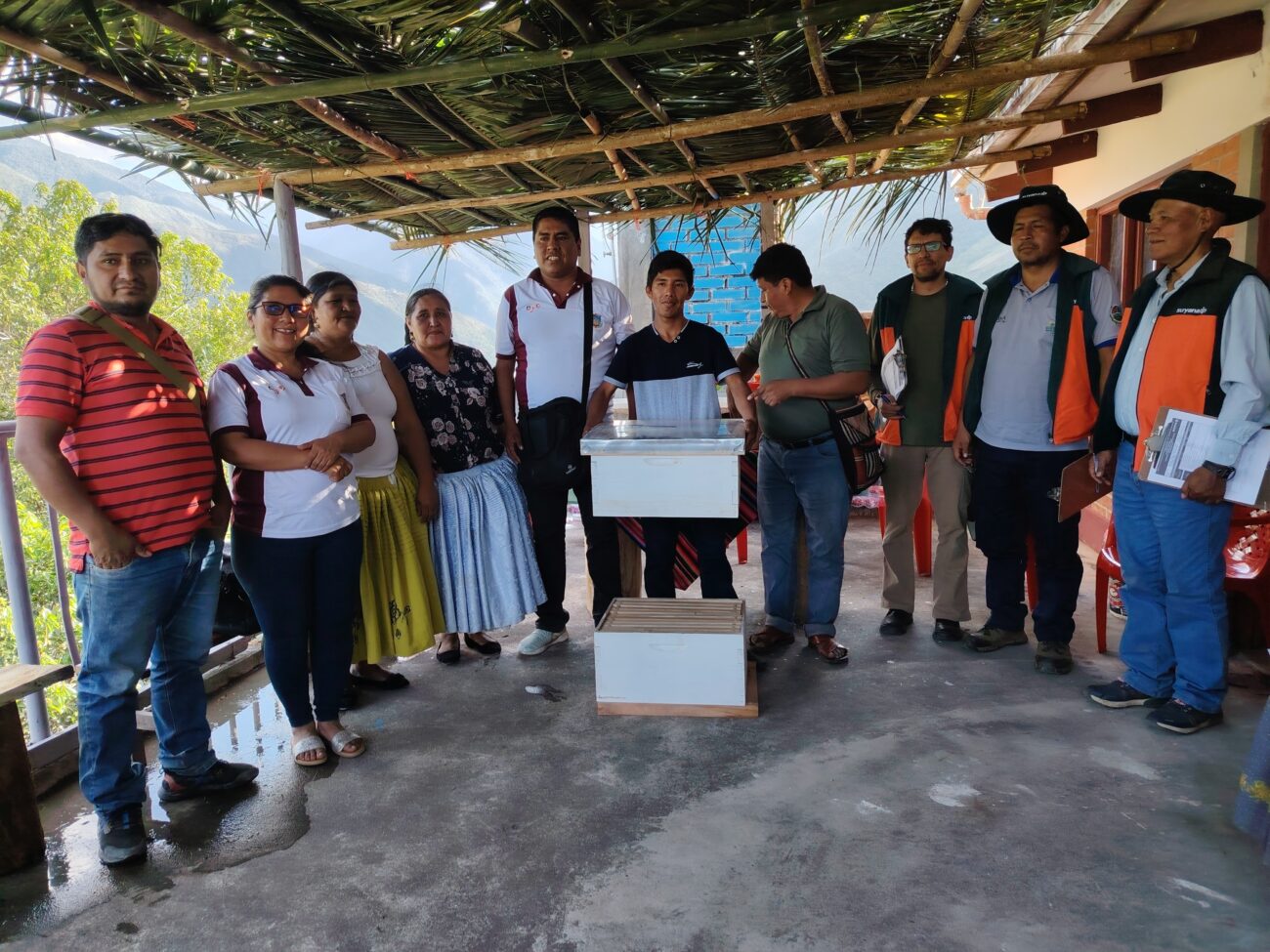
In Montequilla, AIAYM complemented its honey production with propolis, shampoos, and soaps. The organization participates in municipal fairs, has a contract to supply honey to the Municipal Government, and received 17 Langstroth beehives to strengthen its beekeeping activities.
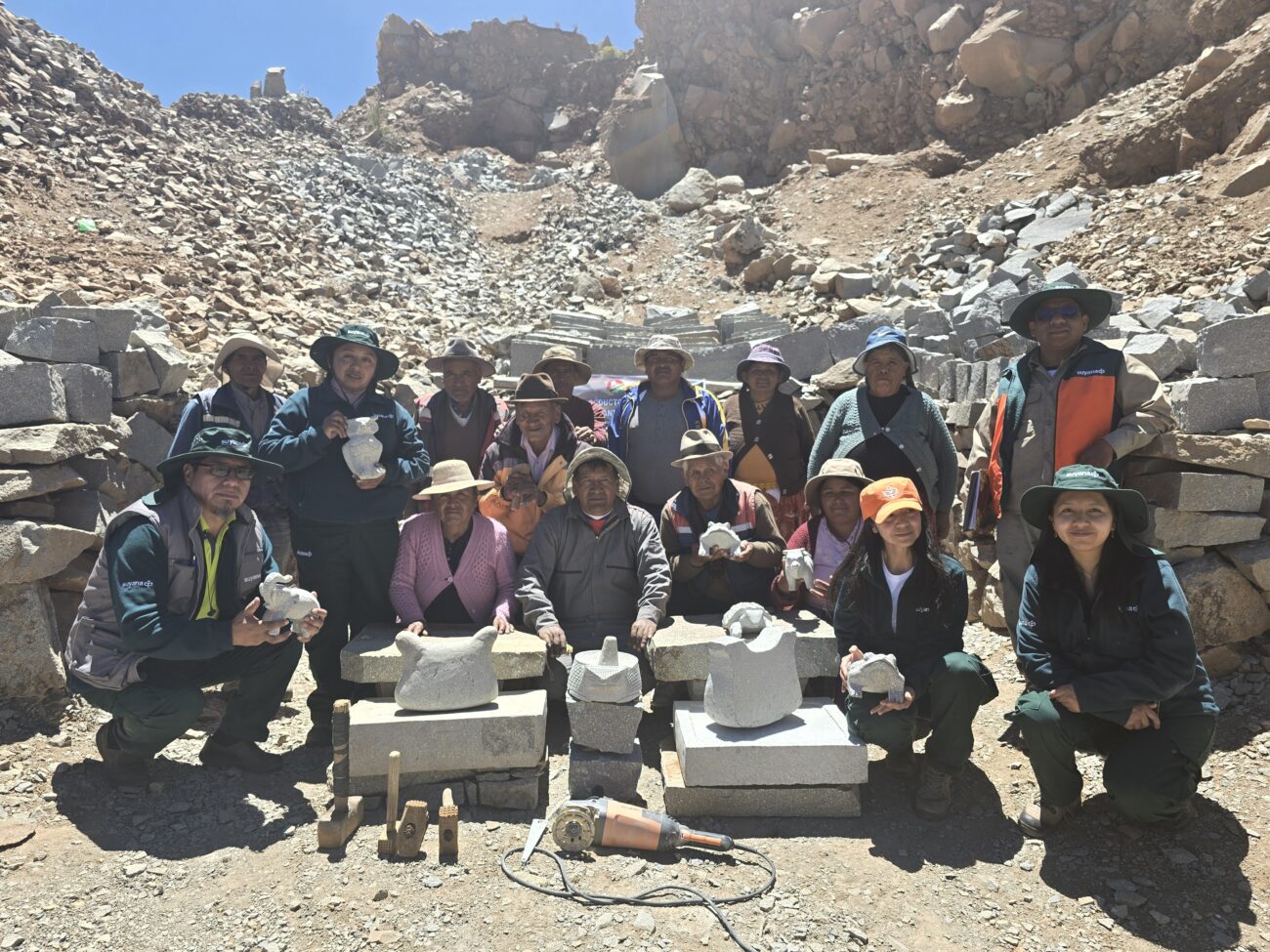
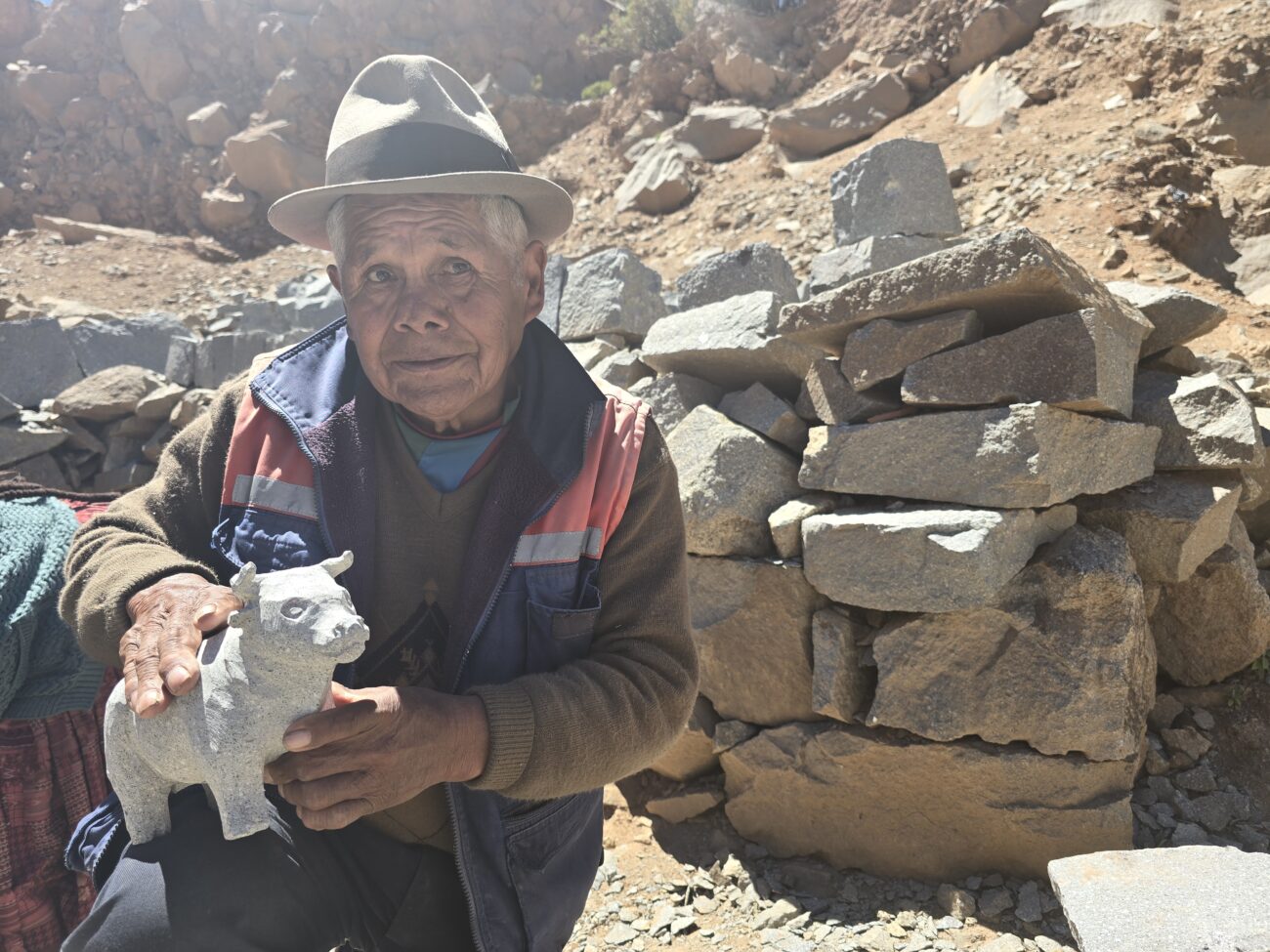
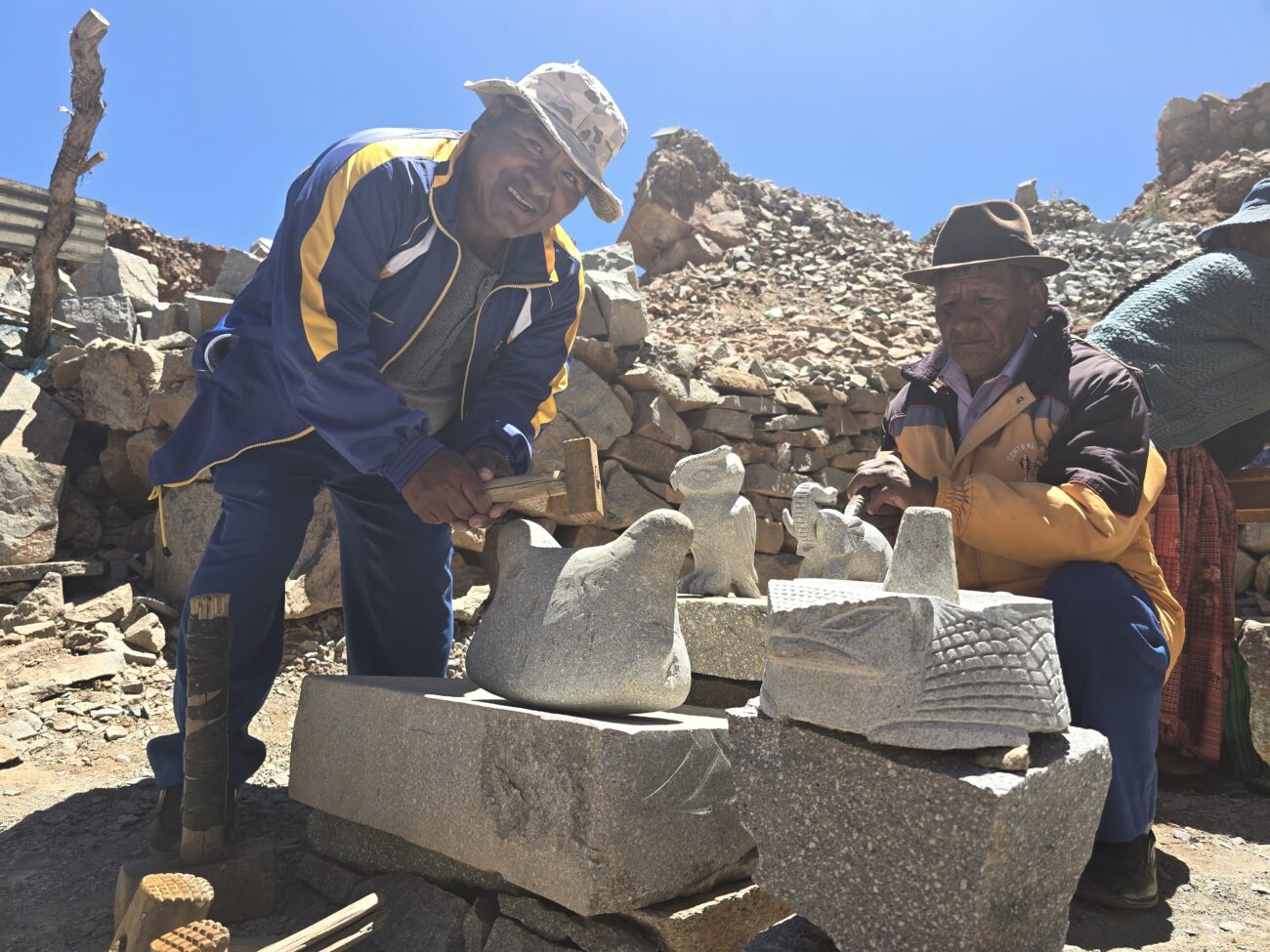
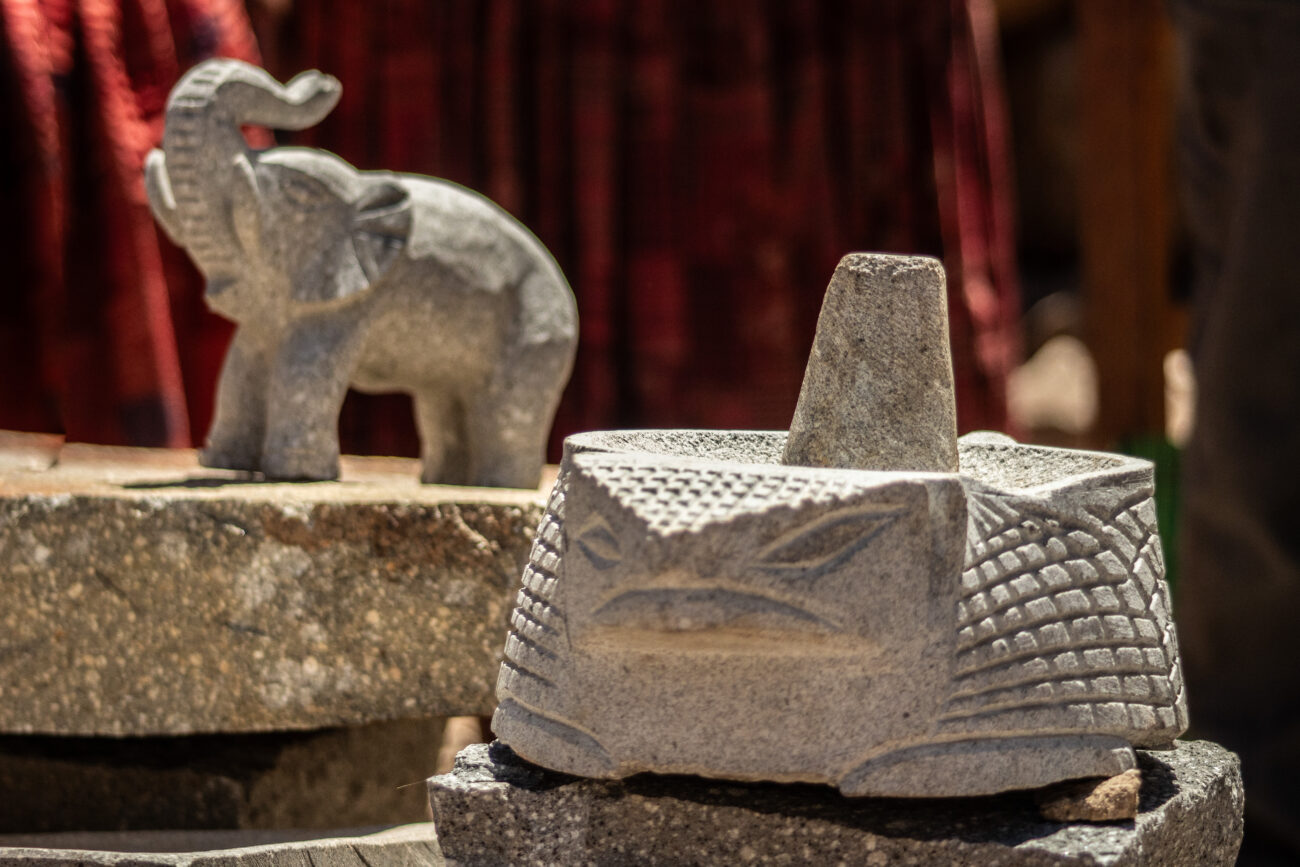
The visits also included organizations at different stages of development. An initiative dedicated to carving stone and granite sculptures is currently undergoing consolidation, while another organization in Sica Sica is strengthening milk processing and the production of dairy products. These experiences show that establishing an OECA involves much more than production: it requires collective organization, stronger technical capacities, improved infrastructure, the transformation of raw materials, organizational formalization, and the development of stable marketing channels.
The Organizations’ Experiences
In Plazuela, AMAA-LP presented an initiative that combines mango production with beekeeping. Its members showcased processed products, including ice cream and honey liqueur, developed through their search for new ways to make use of local production. This diversification demonstrates the organization’s potential to add value, expand its product range, and create new marketing opportunities.
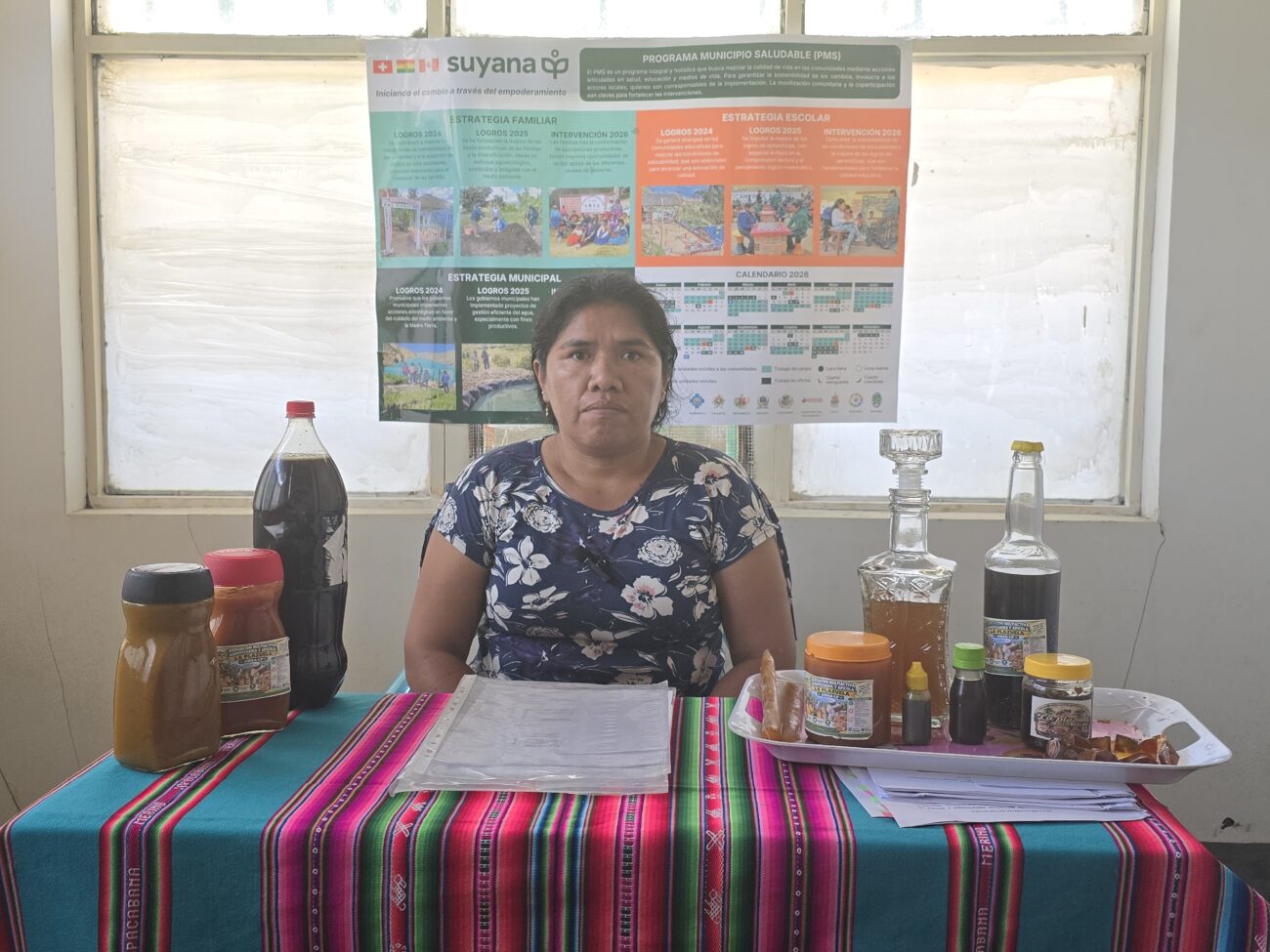
“We formed this OECA to bring our products to market, whether in the city of La Paz or elsewhere. It makes us proud to see our products bearing our organization’s initials and to know that they were made by us. Through this OECA, we have the opportunity to participate in training workshops and future projects related to mango or honey, allowing our producer members to benefit… I would like to encourage every OECA producer working with Suyana Foundation to keep moving forward, continue strengthening their production, and keep learning. This is a first step and a wonderful experience that we are living…”, Maribel Vargas, President of AMAA-LP, Plazuela community, municipality of Irupana.
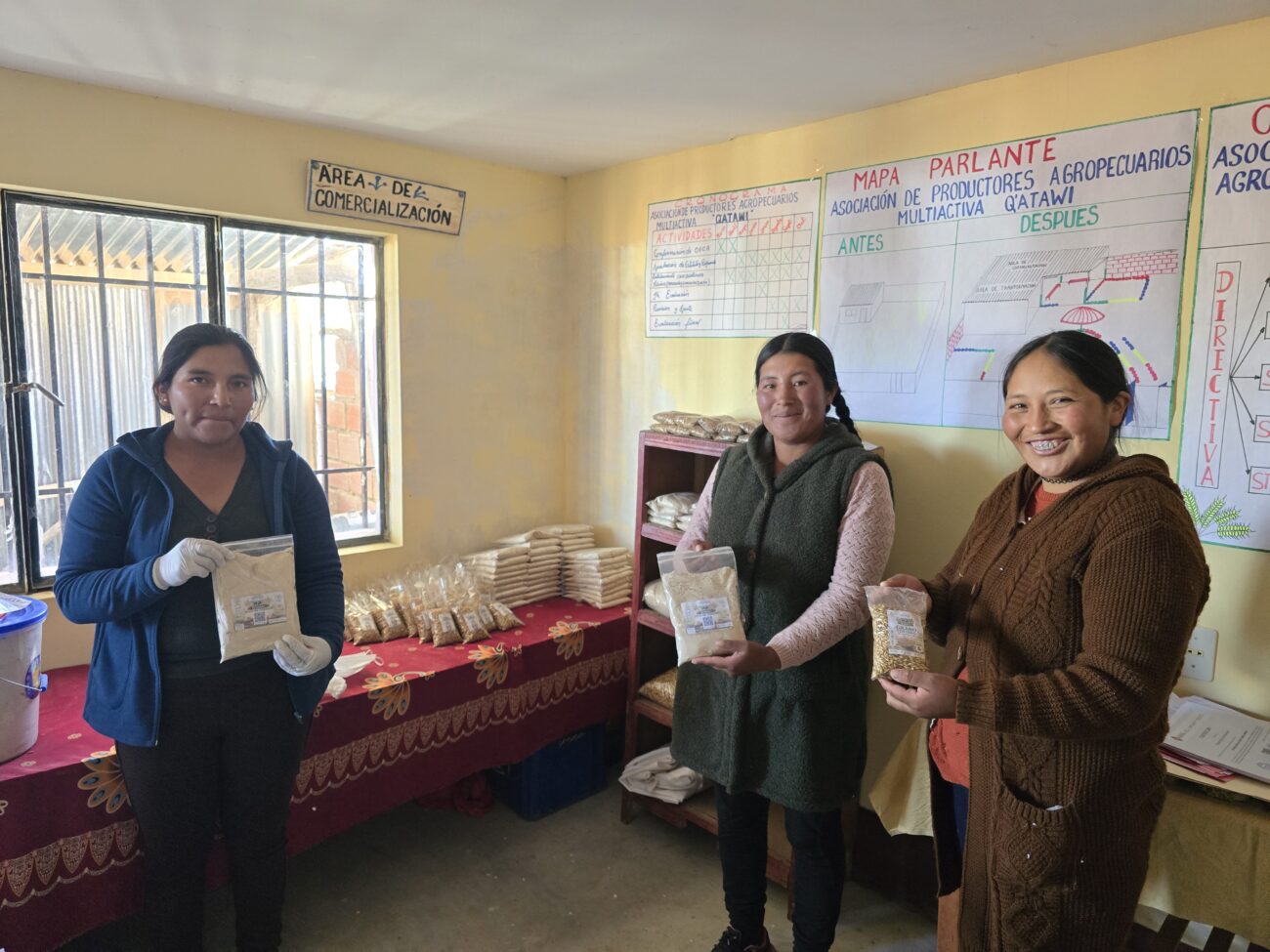
In Catavi, municipality of Sica Sica, Q’ATAWI presented its grain-based products and explained how it transforms local raw materials to add value. The experience demonstrated how collective work can strengthen production, improve product presentation, and create new marketing opportunities.
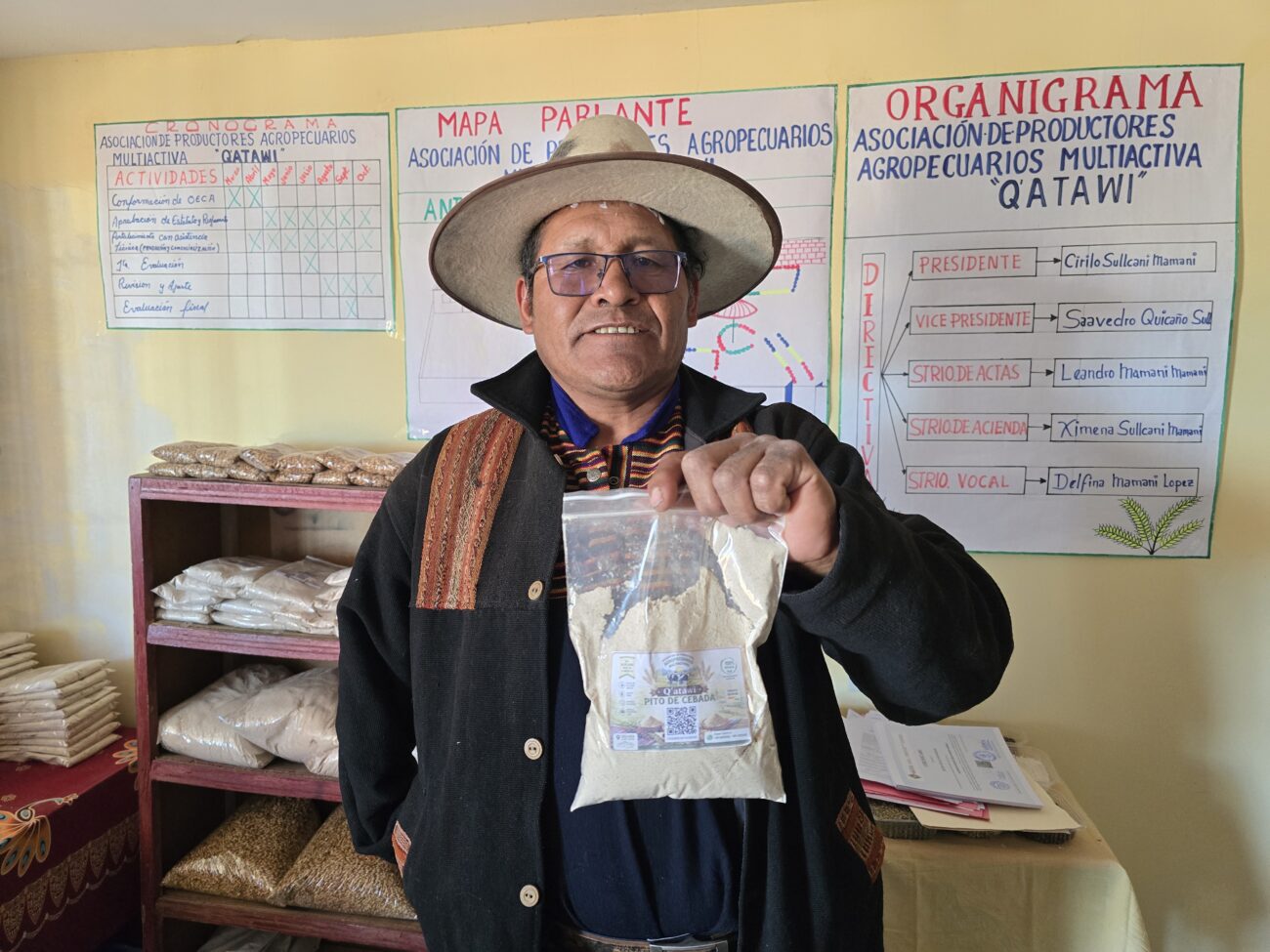
“The productive potential of my community lies in grains such as barley. Through meetings, workshops, and support from Suyana Foundation, we have been able to consolidate our packaging and labeling processes,” Cirilo Sullcani, representative of Q’ATAWI, Catavi community, municipality of Sica Sica.
The evaluation of the 14 OECAs demonstrated that there is no single path to consolidation. From organizations that are just beginning to build their infrastructure to those with processing plants and established markets, each experience showed that collective organization, technical training, value addition, and institutional collaboration are essential for creating sustainable economic opportunities rooted in the territories themselves.