
From Model Family to “Yachaq Runa”: Edith Palomino and the Knowledge She Brings Back to Her Community
Originally from Pacobamba, Apurimac, Edith Palomino has followed a path that reflects one of the key commitments of the Healthy Municipality Program: developing local leaders so that the knowledge they acquire can be shared within their own communities.
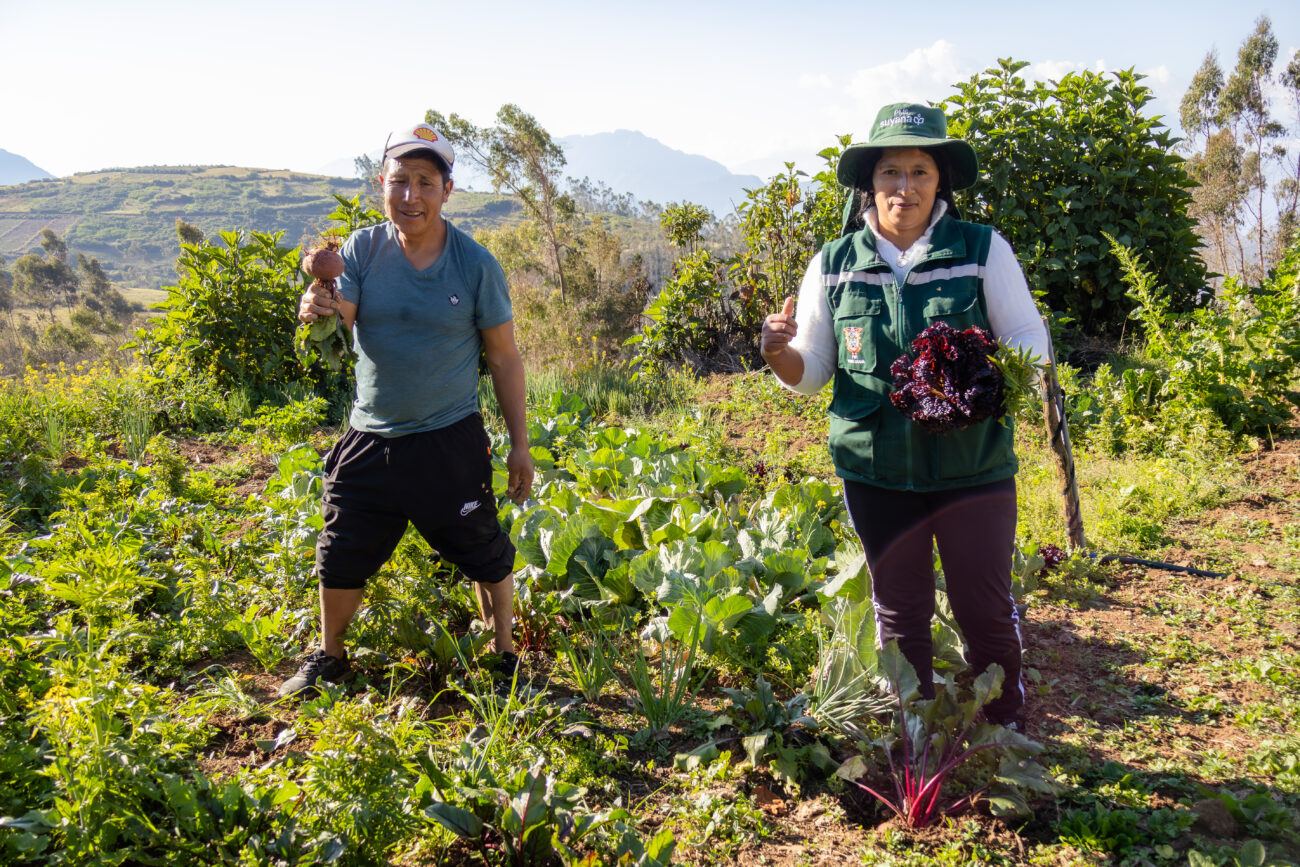
Cusco, November 5, 2026.– In the communities where Suyana Foundation works, a “Yachaq Runa” (“knowledgeable person”) plays a role that goes far beyond providing technical assistance. A Yachaq Runa is a leader from the community who shares knowledge with families and helps them put into practice new ways to improve their homes, production, and community organization. Their recognition is largely rooted in having followed the same path they now encourage other families to take.
Edith Palomino Pedraza, originally from the community of Ccerabamba, in the district of Pacobamba, Apurimac, knows this process from both sides. First, she was part of a family participating in the PMS Family Strategy when the program arrived in her community in 2021. Two years later, she began supporting other families as a Yachaq Runa—families who, like her own, wanted to start transforming their lives.
A journey that began in her own home. In 2021, Edith’s family placed second in the Healthy Homes competition. The following year, they took first place in the production category. This recognition opened up an opportunity she had never planned for. Suyana Foundation awarded her a full scholarship to strengthen her productive skills and capacities and train as a veterinary assistant for three months in Bolivia.
“I thank them with all my heart for the person I am today, because Suyana has made me stronger,” Edith says.
An experience that inspires other families
In 2023, she returned as a Yachaq Runa and began working in her own district, supporting families and associations. That same year, Suyana Foundation provided her with a veterinary first-aid kit so she could assist local producers. Since then, she has expanded her supplies and now has more resources to carry out deworming treatments, administer vitamins, and address the livestock health needs of the families she works with.
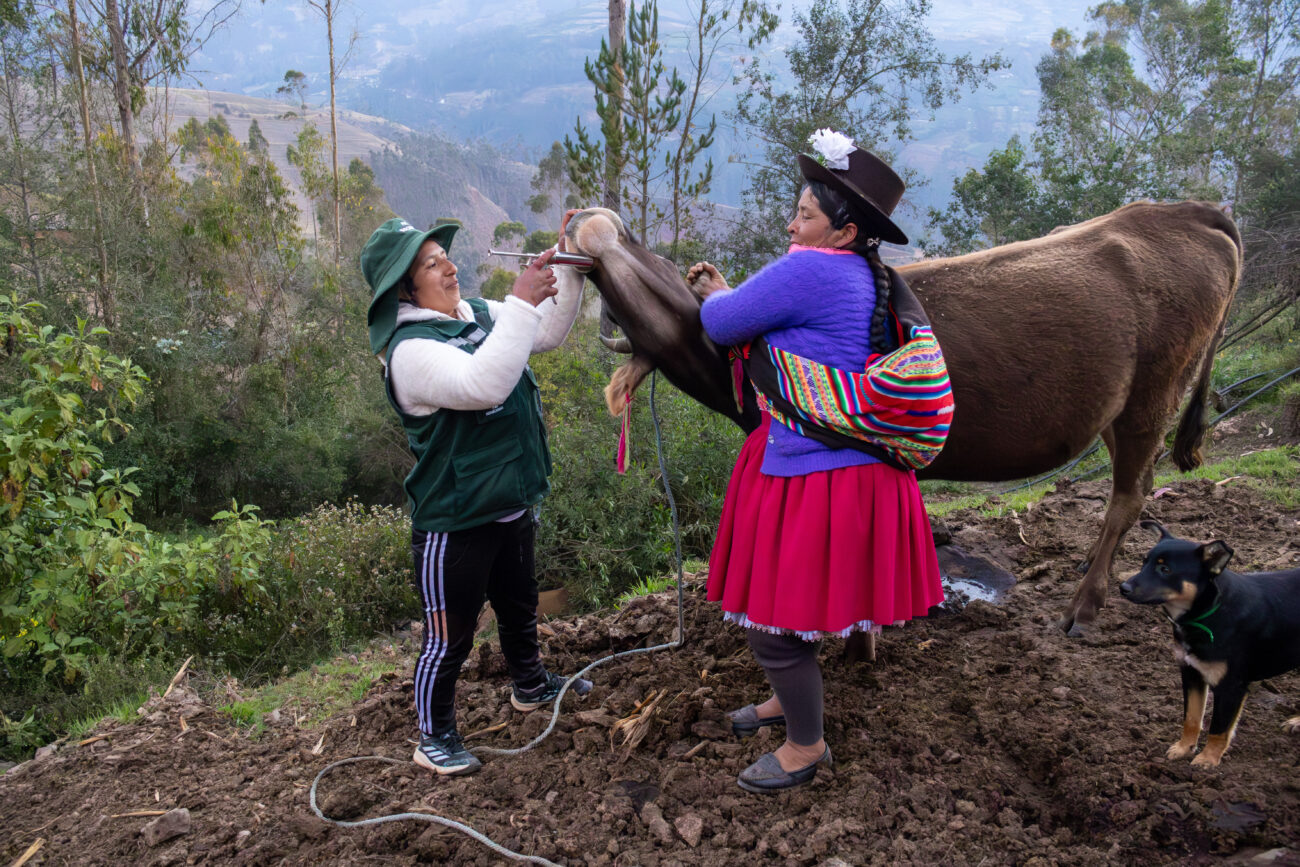
Starting in 2024, her work with the PMS moved to the district of Huancarama. During the first year, she focused on supporting families in improving their homes. Once again, her own experience proved essential. Edith had documented each step of the improvements she had made and could show other families how to carry them out.
“I have a manual that documents how I improved my home, including all the components. It has helped me a great deal in convincing each family, which I have managed to do in the communities where I have worked.”
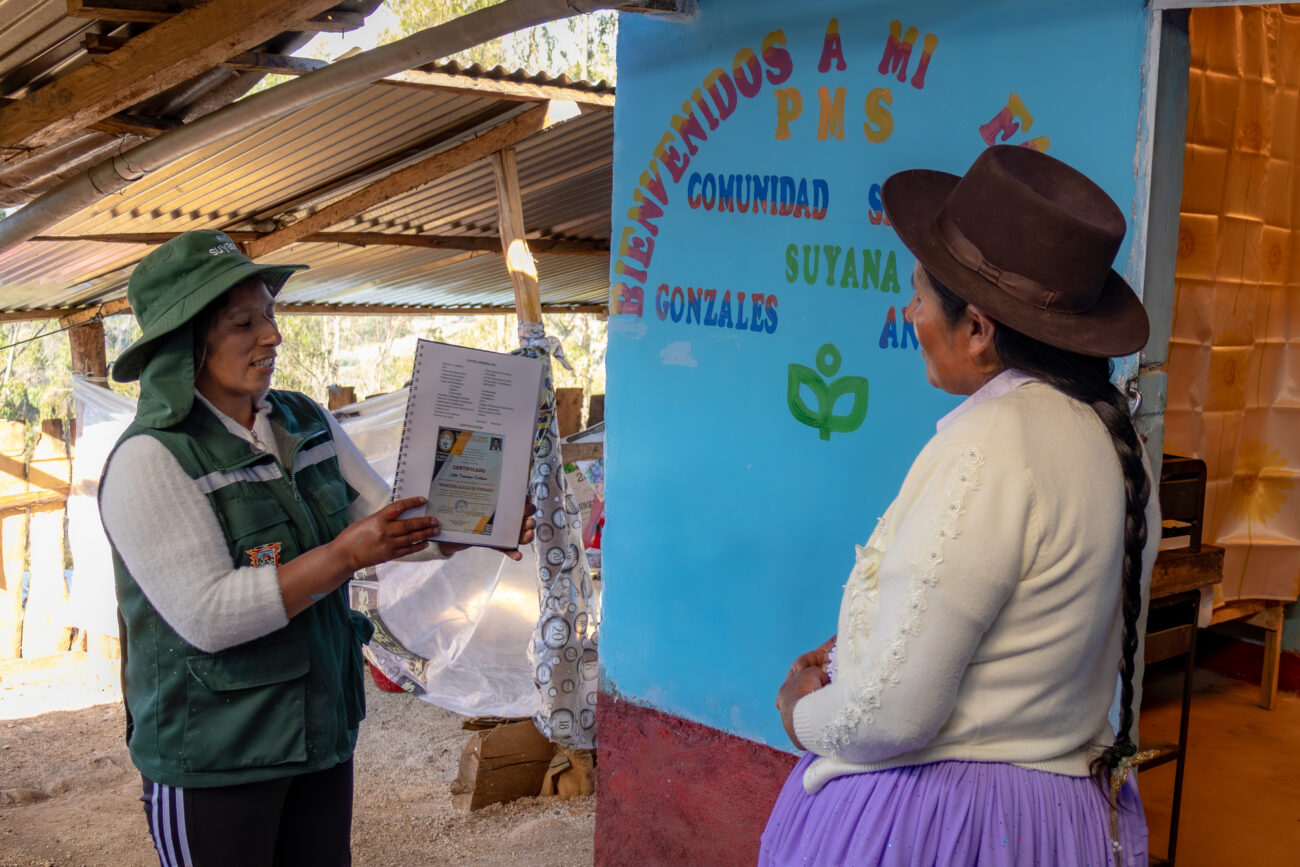
The Healthy Homes approach includes improvements to the cooking stove, pantry, dining area, study area, personal hygiene area, and separate spaces for parents and children, as well as the establishment of a family garden and solid waste management, among other measures. These are practical changes that each family implements according to its means and the materials available, helping improve living conditions for everyone in the household.
Learning from families, too
In her third year of work in Huancarama, Edith supports families and Farmer Economic Organizations (OECA) in strengthening diversified production and helping local products reach new markets. One of her achievements in this process has been the establishment of a new producers’ association, which now has its own premises and has completed its legal registration.
“I faced quite a few challenges along the way, but I am happy because I helped establish a new association this year,” Edith says.
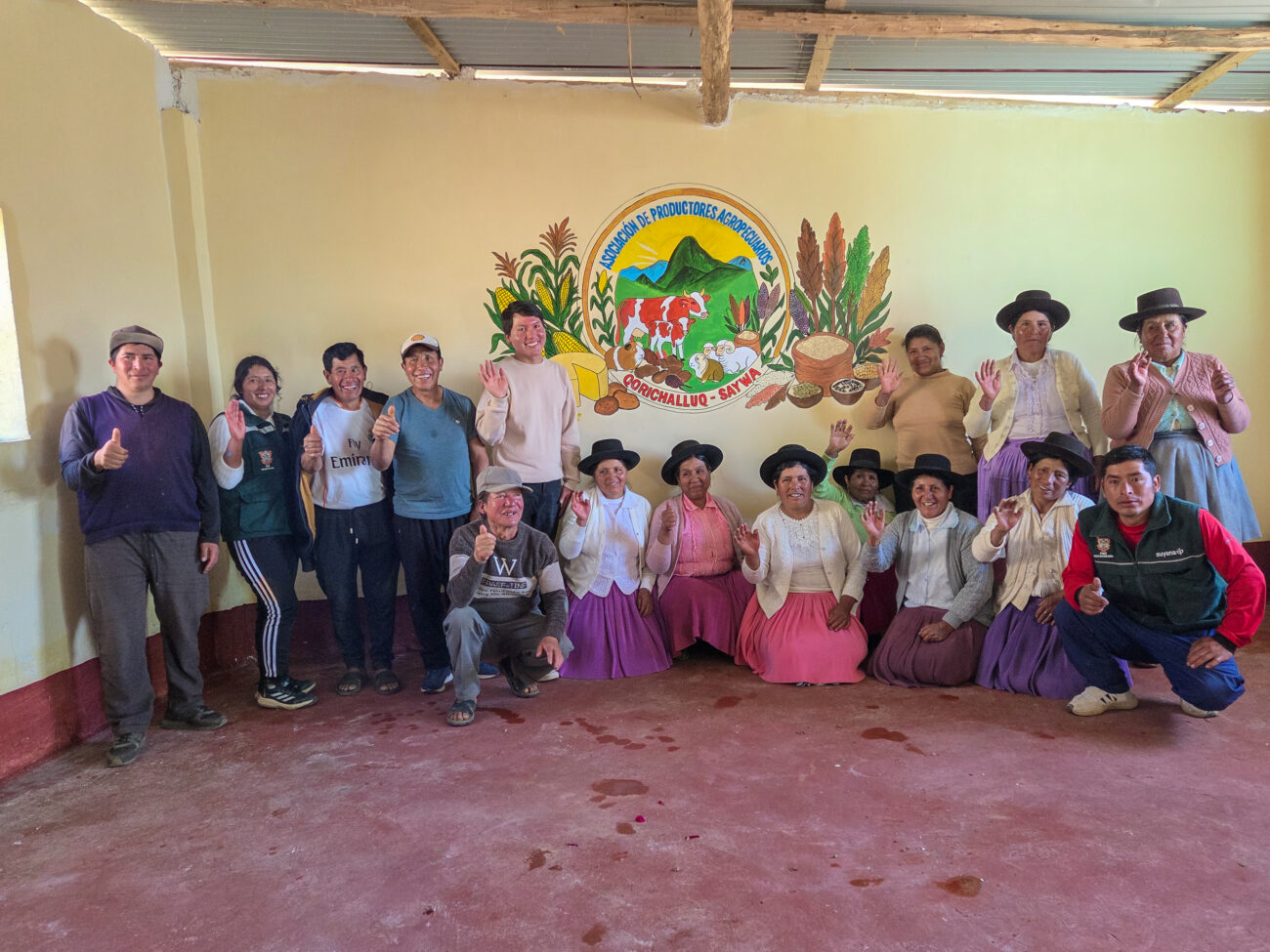
The change in territory brought her into contact with a different productive reality from the one she knew in her hometown of Pacobamba. While livestock farming is predominant in her home community, families in Sayhua are mainly engaged in agriculture. This change has also allowed her to learn from the producers she works with.
“I have learned many things from the families, and I have also contributed a great deal of my effort and what I know. We have shared our knowledge,” Edith says.
Training Designed to Stay in the Community
The training of Yachaq Runas promoted by the PMS aims to develop skills that can be put to work for the benefit of their own communities. Between 2024 and 2026, Suyana Foundation trained 28 leaders from model families as Yachaq Runas – Veterinary Assistant Promoters. The training included technical and production modules, as well as training in the administrative management of Farmer Economic Organizations (OECA). It also involved hands-on activities and assessments at experimental stations of the National Institute of Agrarian Innovation (INIA), through which participants were certified as rural extension agents.
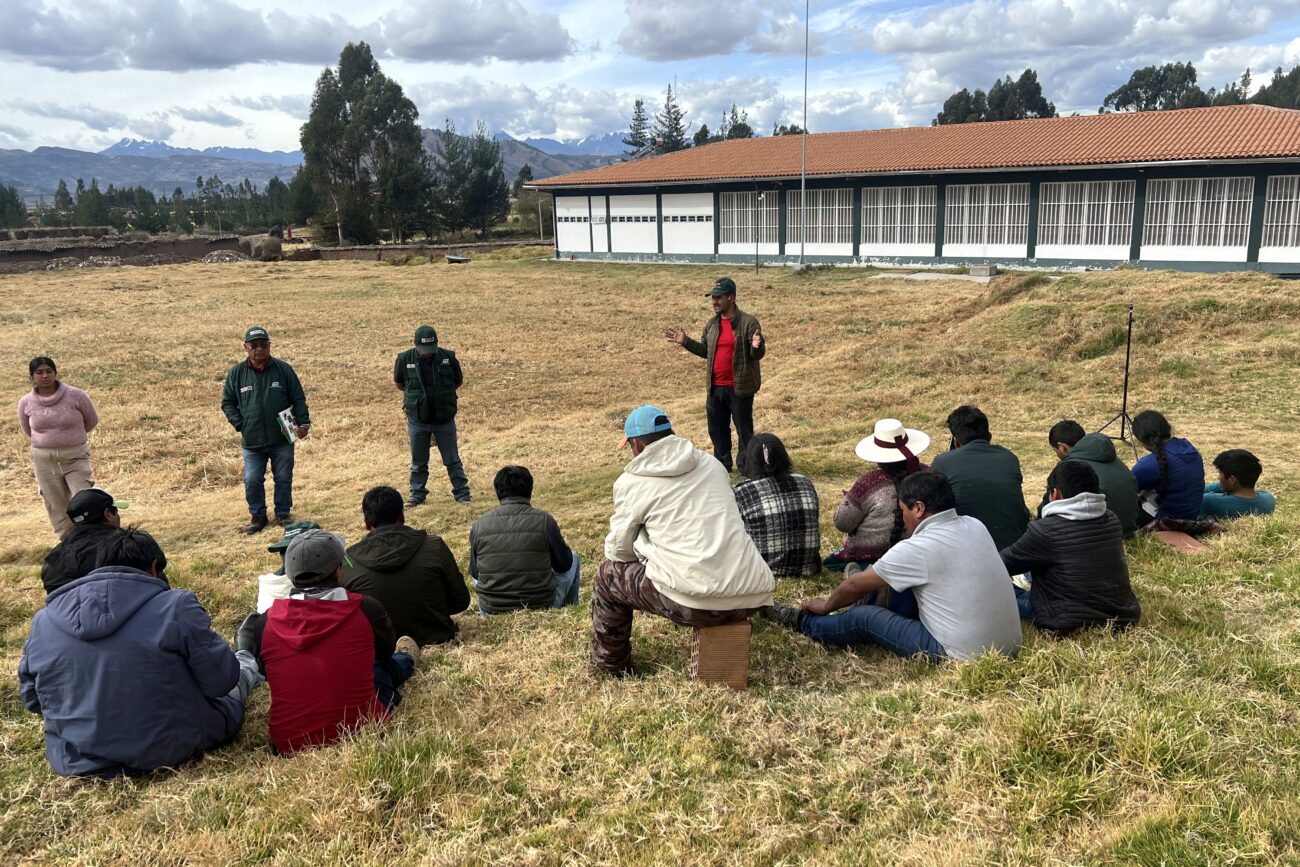
Participants strengthened their skills in the management of small and large livestock, animal nutrition, fertilizer production, cultivated pastures, quality seeds, and the preparation of by-products. They also developed their leadership and management skills. Under this model, training does not end with the course itself. The PMS aims for Yachaq Runas to provide technical assistance, contribute to improving agricultural and livestock production and family incomes, and strengthen collective production through OECA.
This is one of the key commitments of the Healthy Municipality Program: strengthening the capacities of local leaders so that technical assistance does not depend solely on people from outside the community, but can also be shared among those who know and are part of the same territory. The process builds on families’ own experiences, encourages new learning, and seeks to ensure that this knowledge remains within the communities.
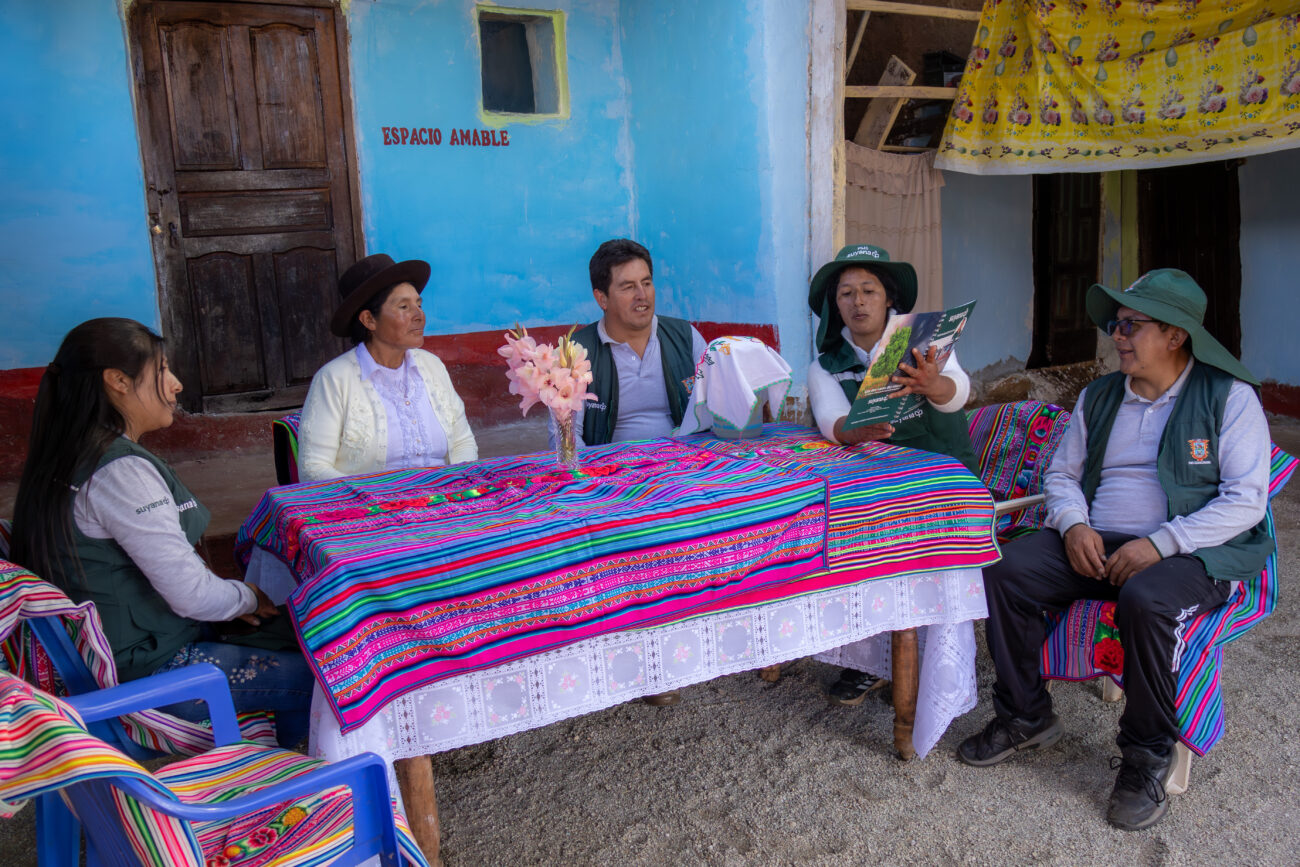
In the communities where she works, Edith knows the territory and its members, and helps connect them with the PMS teams carrying out activities in health, dentistry, the environment, and education. Her presence helps bring these interventions closer to families and ensure continuity of the work in each community.
She does not return to the place where her journey began as the same person she once was. She comes back with new experiences that she can put to work for the benefit of her own community.
“Now that I am better prepared, I am also returning to my hometown. I am going to start sharing the knowledge I have gained over the past few years so I can continue contributing to improving people’s lives,” she says.
When asked what being a Yachaq Runa means to her, Edith answers directly:
“For me, being a Yachaq Runa means helping improve families’ quality of life.”