Empowering Rural Communities in Bolivia
Healthy Municipalities Programme
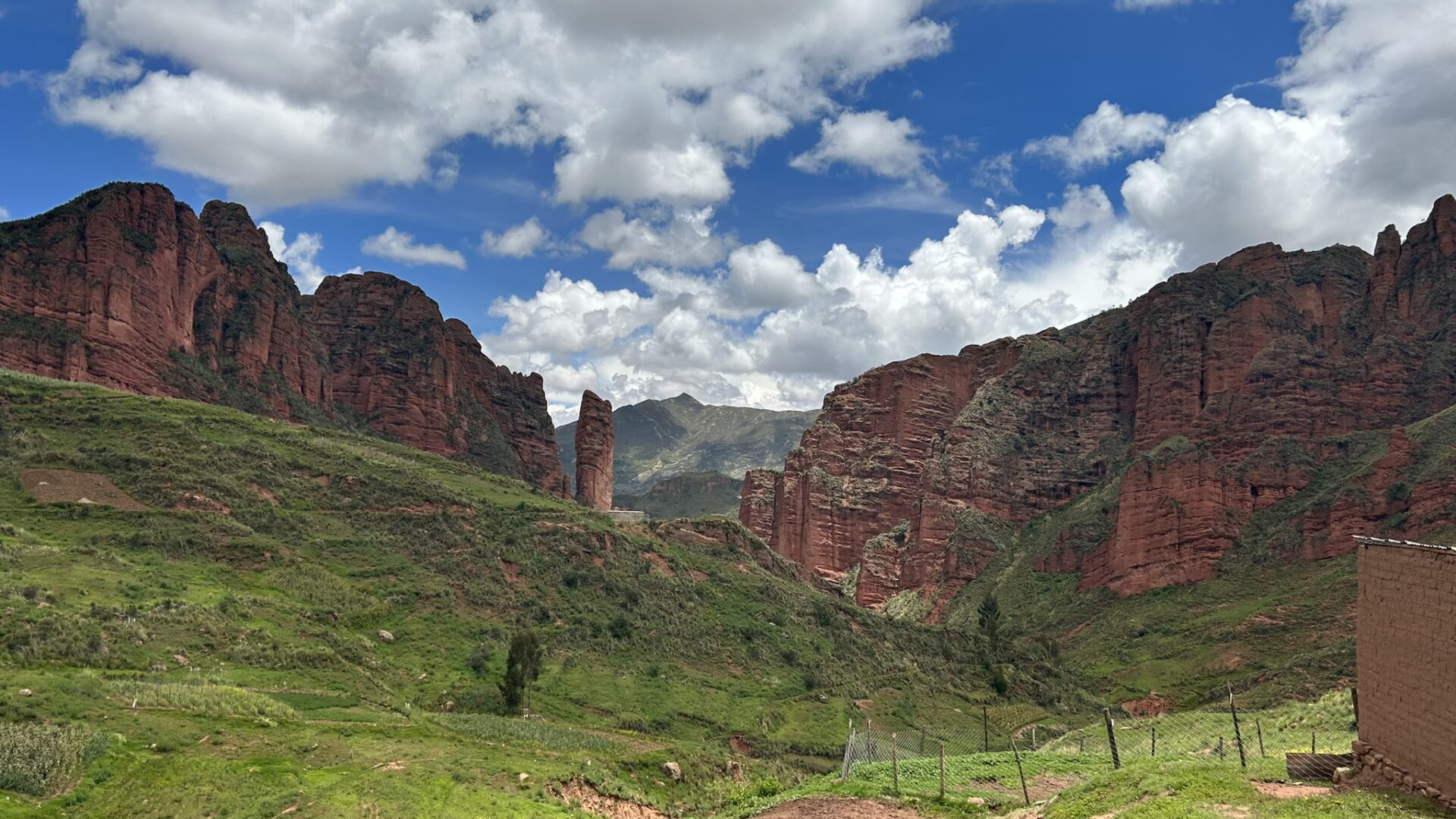
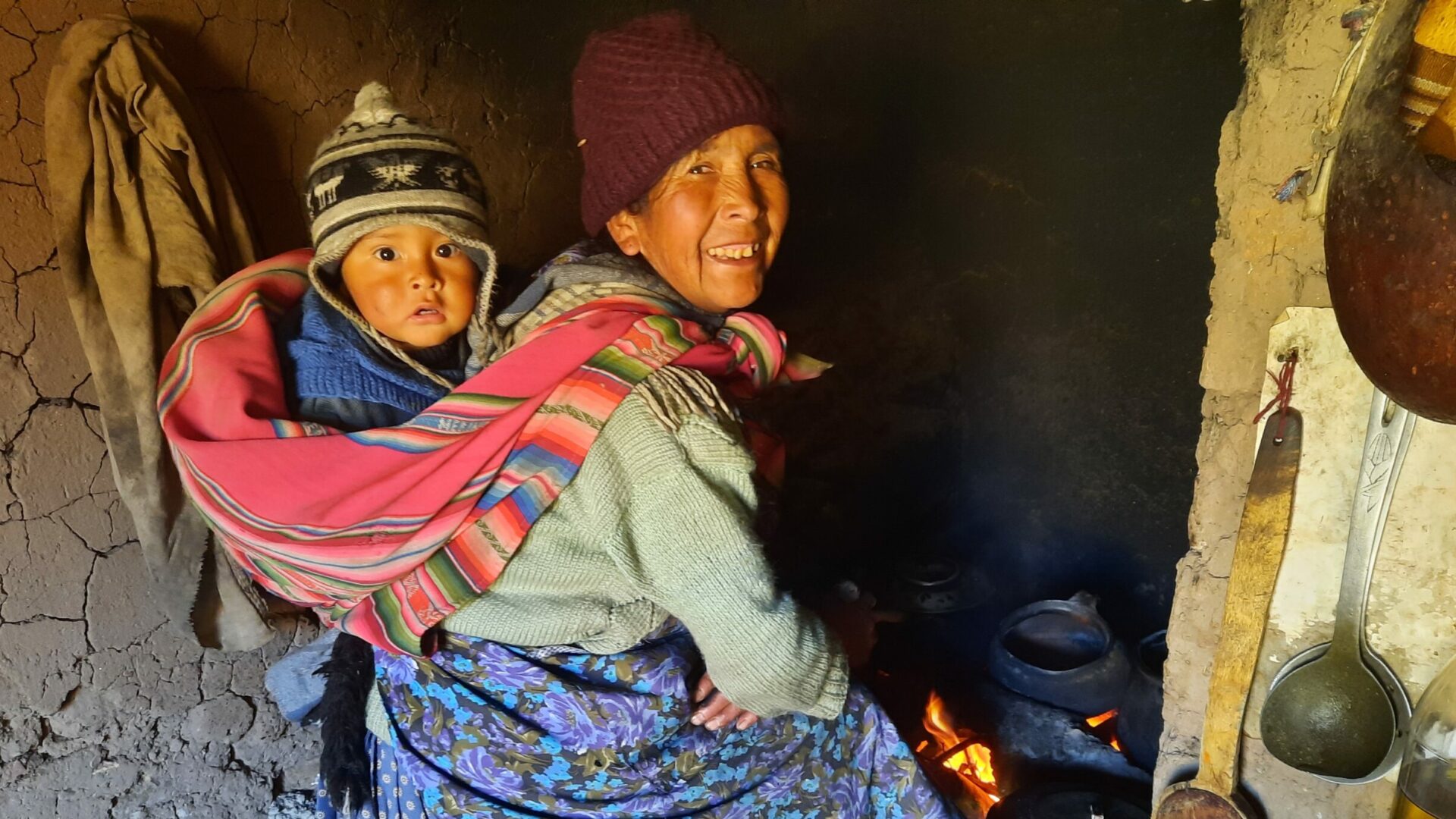
Bolivia, a nation celebrated for its rich cultural diversity and abundant natural resources, faces persistent socio-economic challenges. High levels of poverty and inequality, particularly within indigenous and rural communities, are compounded by the country’s rugged topography, which limits access to many remote areas. In these regions, the availability of quality education, healthcare, and basic services remains scarce, deepening the vulnerability of families and hindering development.
Despite years of economic growth and public investment, many rural Bolivian communities remain marginalised. Limited infrastructure and difficult terrain make access to essential services a daily challenge, perpetuating disparities in health and education and keeping many households trapped in a cycle of poverty.
Situated at high altitudes in the Andes, these regions experience extreme climates and geographical isolation. Our operational teams overcome these barriers using specially designed mobile units equipped with medical and educational materials, enabling us to reach the most remote communities and provide the assistance they need.
Objective
The Healthy Municipalities Programme (Programa Municipios Saludables – PMS) aims to empower rural communities to lead lives of dignity and self-reliance by increasing income, improving healthcare, and strengthening education.
Initiated in 2006, the programme continuously evolves to respond to changing local needs and is implemented in close collaboration with municipal governments and public institutions to ensure long-term sustainability. By promoting local participation and ownership, PMS fosters progress that continues well beyond direct project involvement.
Implemented through revolving three-year cycles, the programme is carried out in close cooperation between the Bolivian Suyana team, municipal and departmental governments, and community representatives. Collaboration also extends to regional health and education services, agricultural institutes, and local professional associations, ensuring alignment with public policies and the strengthening of local systems and institutions.
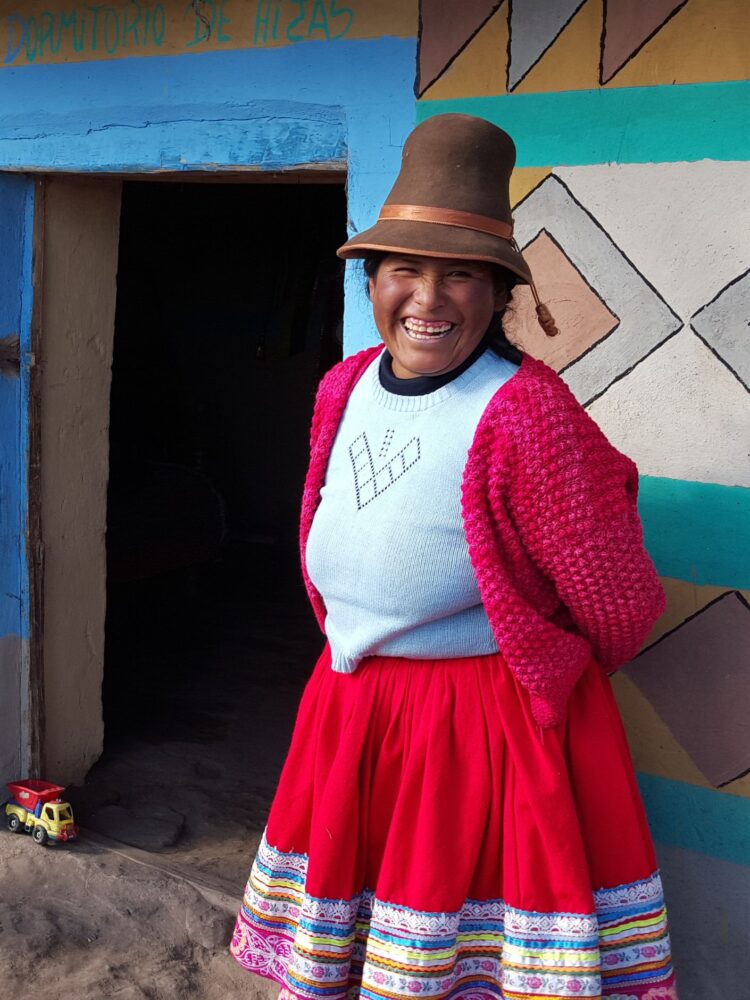
A central element of the programme is the training of local agricultural leaders, known in Aymara as Satiris – “the sowers.” These dedicated farmers receive both practical and theoretical training in sustainable agriculture, livestock management, and leadership. Beyond gaining technical expertise, they develop teaching skills and accompany other farming families in their communities, ensuring the continuity of Suyana’s initiatives even after the project cycle ends. The Satiri programme empowers rural communities from within, fostering cooperation, strengthening local resilience, and building stable structures that support economic growth and self-sufficiency.
Areas of focus:
Outcome and Impact
Operating for over two decades in Bolivia, the Healthy Municipalities Programme has a track record of significant positive outcomes and sustainable impact for remote highland communities:
Health
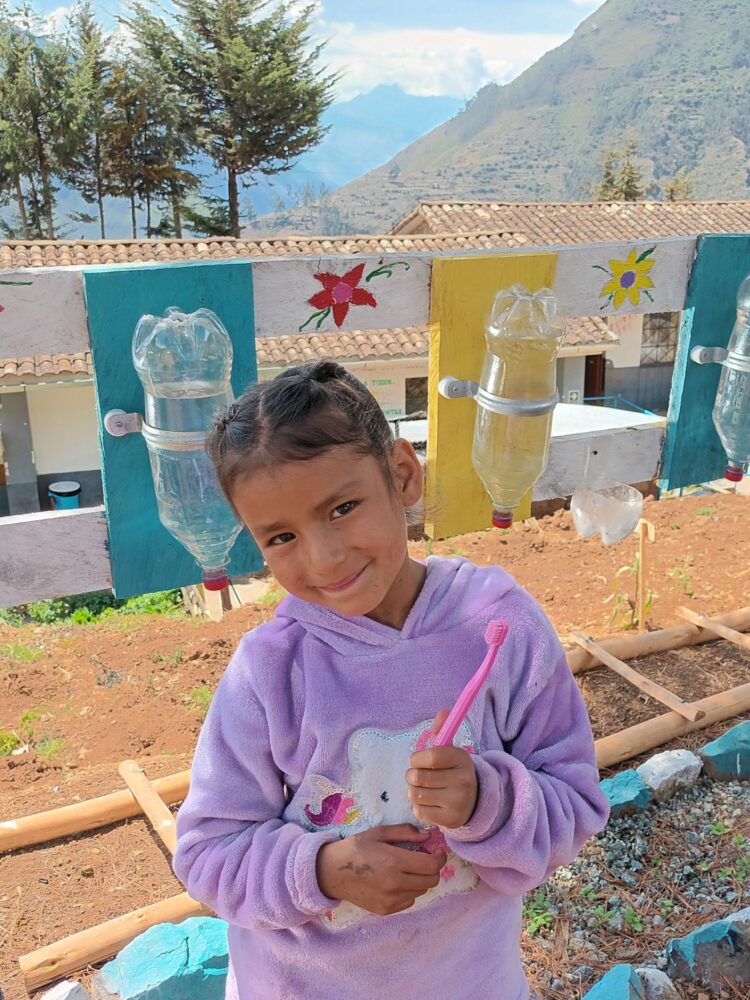
Improved health, thanks to better access to basic medical and dental care, and increased awareness of healthy and nutritional habits, resulting in higher self-esteem and quality of life. There has been a significant reduction in common oral diseases among students and the general population, and a decrease in school absences due to health issues. We have seen a shift in patient mindset towards adapting hygiene practices. Furthermore, healthcare facilities have been improved and/or created and working hand in hand with hospitals and medical institutions, patients with specific cases have been able to seek critical treatment.
Education
Enhanced educational standards and environments, leading to better learning outcomes for children. Improved schooling infrastructure and food quality in schools through awareness campaigns and initiatives like school gardens. Carpentry, marketing, and leadership workshops have strengthened labour market prospects. Developing didactic materials and tailored teaching resources has resulted in engaging learning environments that have increased motivation and excitement in classrooms.
Livelihoods
Increased family incomes through improved agricultural practices and vocational training, foster sustainable economic development. Access to clean water and essential services, contributed to the overall well-being and resilience of the communities.
Facts & Figures
2006-2023
impacted individuals
children recovered from malnutrition
children cavity-free
medical and dental check-ups
Join us in transforming the lives of Bolivia’s remote highland communities.