
Suyana Foundation and UMSA Conclude a Three-Year Marketing Training Program for Technical-Humanistic Baccalaureate Students in Rural Municipalities of La Paz
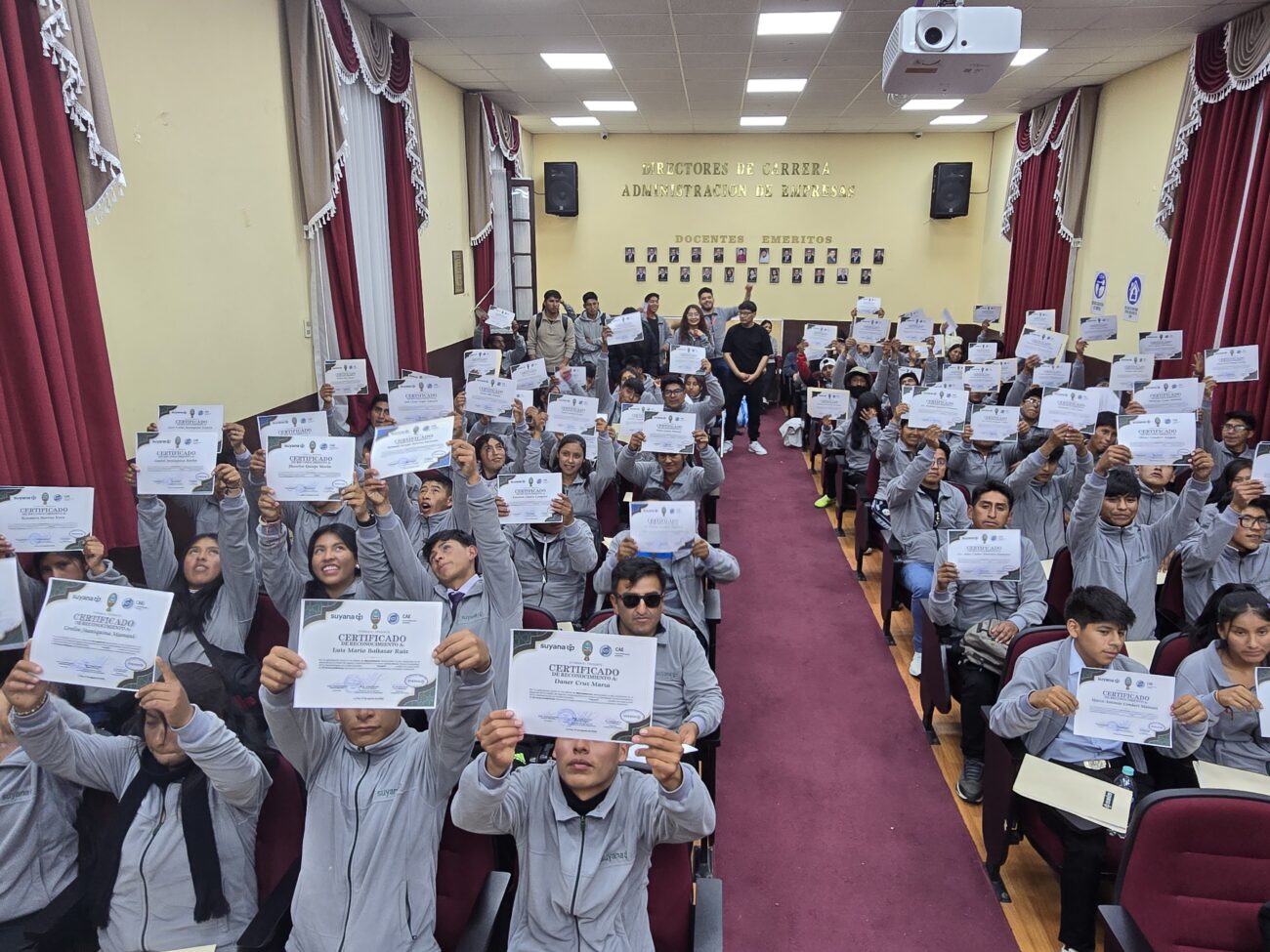
Between 2024 and 2026, nearly 750 final-year secondary school students and more than 90 teachers from nine municipalities in La Paz Department received training in marketing and entrepreneurship management in partnership with the Business Administration Program at Universidad Mayor de San Andrés.
La Paz, September 2026
On Friday, September 11, the third annual cycle of marketing and entrepreneurship development workshops led by Suyana Foundation, in coordination with the Business Administration Program at Universidad Mayor de San Andrés (UMSA), came to a close. The closing event marked the completion of a sustained three-year initiative carried out between 2024 and 2026 to help final-year secondary school students from rural municipalities in La Paz Department strengthen their technical, productive, and commercial skills and explore new opportunities to continue their education or launch ventures within their own communities.
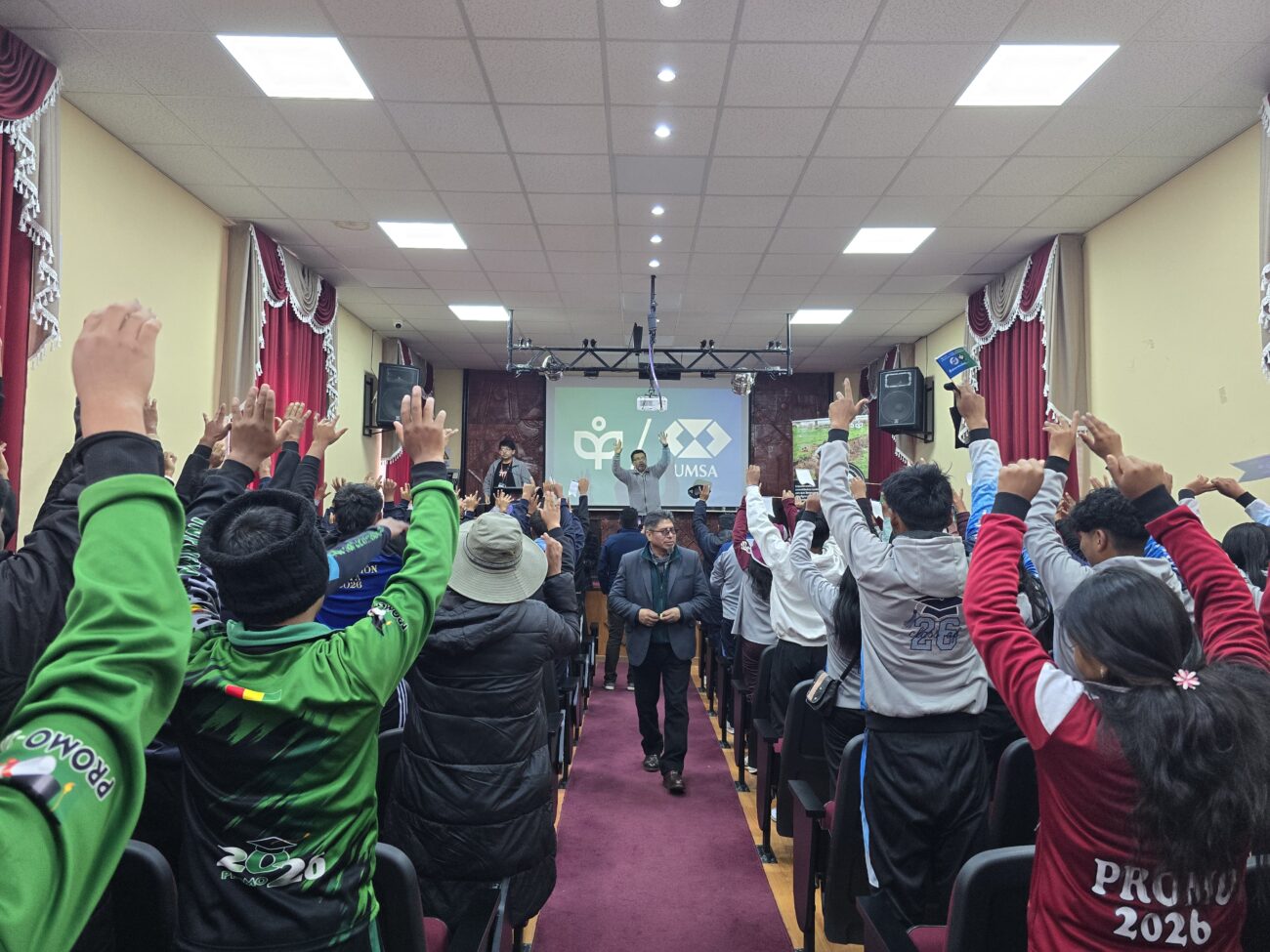
Over the three-year period, the workshops brought together delegations from Humanata, Cajuata, Mocomoco, Inquisivi, Chulumani, Carabuco, Yaco, Sica Sica, and Irupana—all municipalities in which Suyana works. The first two editions included schools both with and without the Technical-Humanistic Baccalaureate (BTH). In 2026, participation focused exclusively on schools offering this form of education, with the aim of strengthening the practical application of the knowledge students had gained in their technical specializations and supporting the consolidation of business models connected to their training.
The initiative brought together the work of Suyana Foundation’s Education Department and UMSA’s academic expertise. University faculty and students connected concepts in business administration, marketing, and entrepreneurship with real-life contexts: products made at the participating schools, resources available in each municipality, local knowledge, and needs identified by the young people within their own communities. The university ceased to feel like a distant institution and became, during each workshop, a space for learning, exchange, and envisioning new possibilities for the future.
A Partnership Built through the Healthy Municipality Program
The marketing workshops contribute to the objectives of Suyana Foundation’s Education Subprogram, which seeks to strengthen students’ skills and capacities for technical and productive training while fostering competencies in entrepreneurship and income generation. The initiative was implemented as part of the Healthy Municipality Program’s 2024–2026 three-year intervention cycle, Suyana’s comprehensive development model in the municipalities mentioned above.
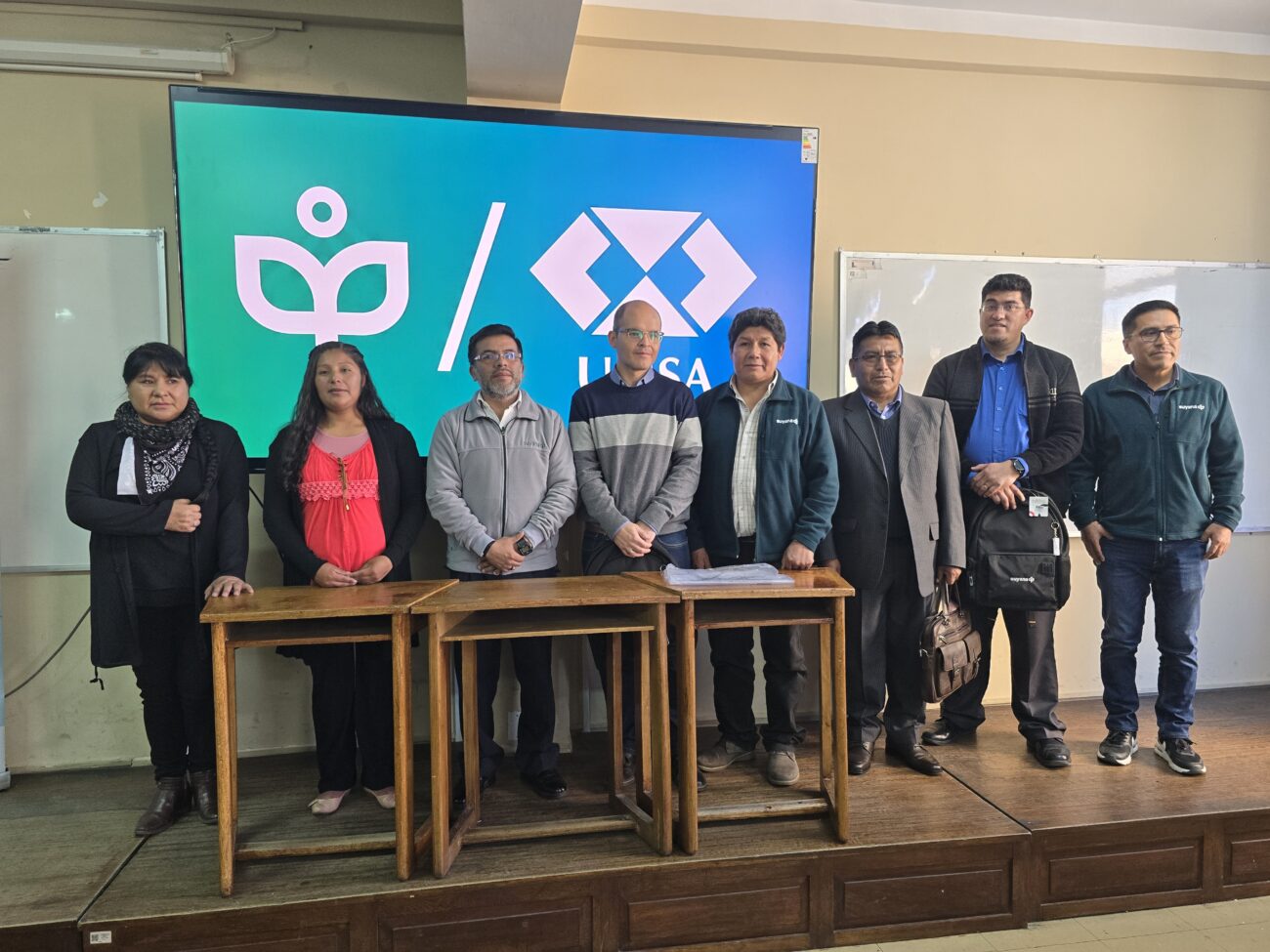
The partnership with UMSA’s Business Administration Degree Program, part of the Faculty of Economic and Financial Sciences, was built around a jointly agreed training plan that was reviewed each year. University-level content was aligned with the Technical-Humanistic Baccalaureate (BTH) curriculum and refined in each edition based on lessons learned from the previous year. UMSA provided faculty members, teams of student facilitators, and its facilities; the district education offices, participating schools, and autonomous municipal governments coordinated permits and transportation; and families supported their children throughout their journeys. Suyana coordinated this network of stakeholders and ensured the necessary logistical arrangements so that no student was excluded because of distance or cost.
Three Years of Turning Knowledge into Opportunities
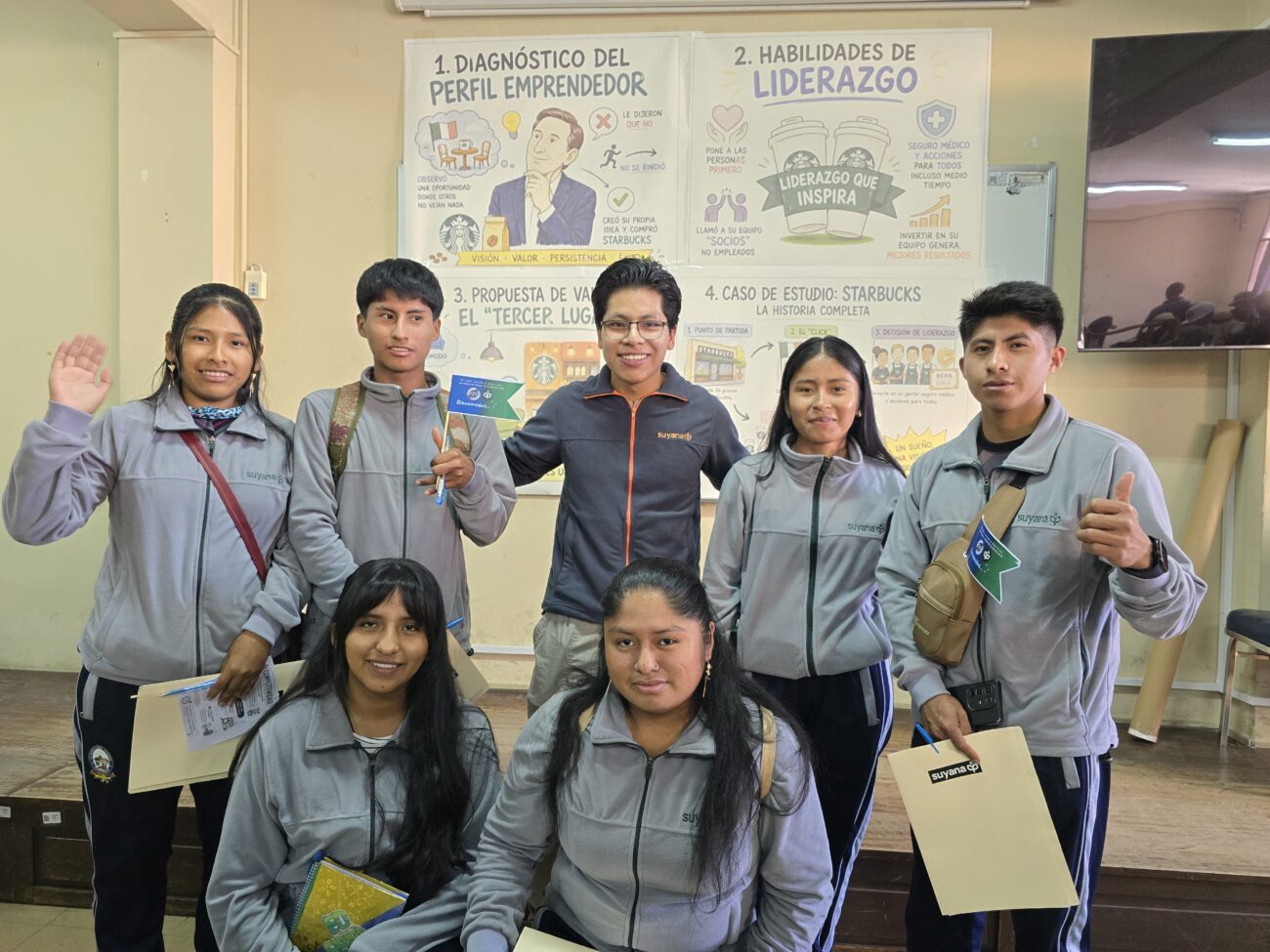
Between 2024 and 2026, the marketing workshops combined theoretical instruction, practical exercises, presentations of entrepreneurial ventures, and guided visits to formal and informal markets in La Paz. Faculty members and students from UMSA’s Business Administration Degree Program guided the delegations through topics such as creativity, planning, marketing, branding, product presentation, target audiences, and sales strategies. These visits enabled participants to directly observe prices, customer service practices, promotional methods, and purchasing behavior, allowing them to compare theoretical concepts with real-world market dynamics.
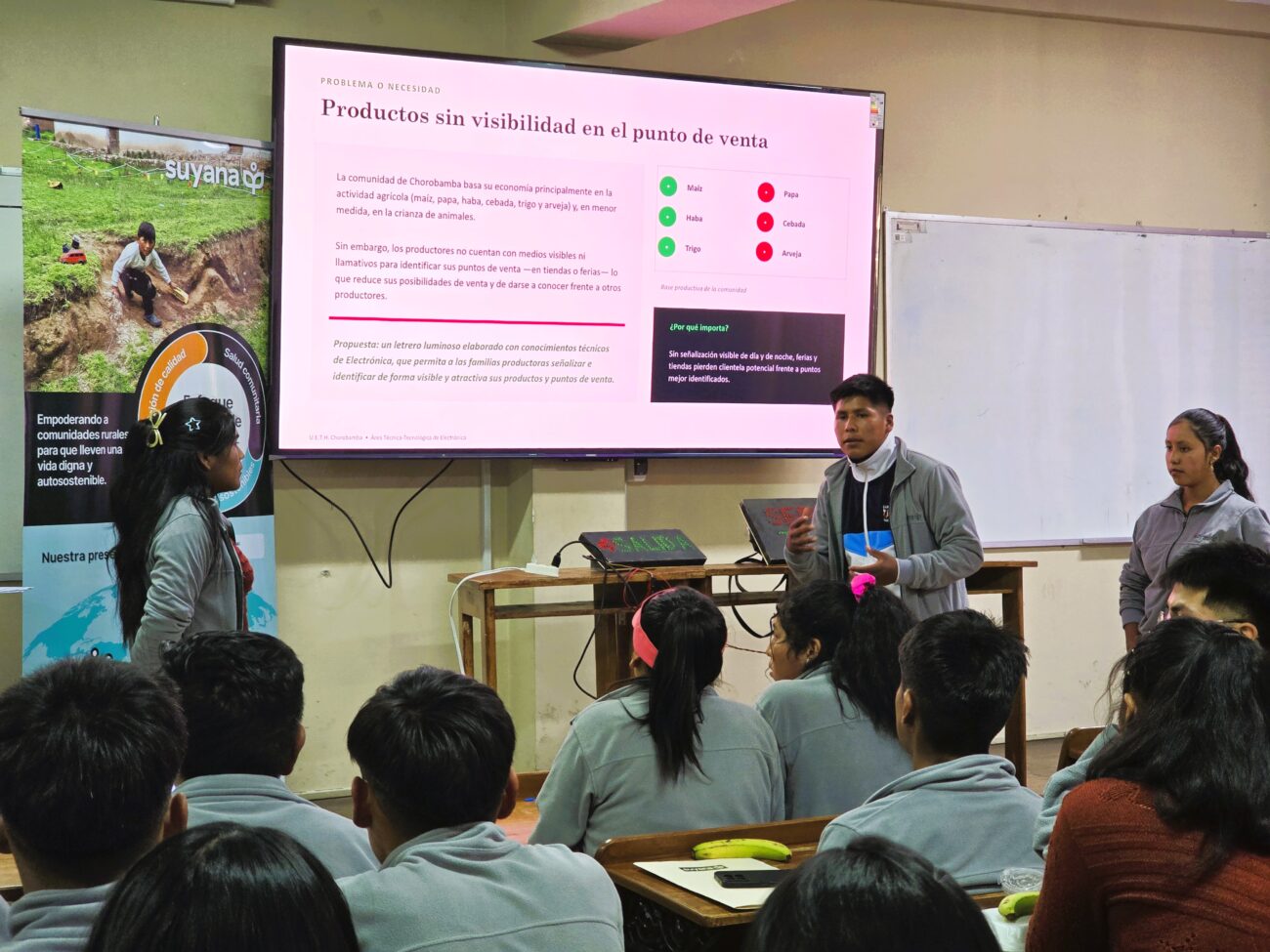
During each annual cycle, the participating secondary school students also presented their ventures to faculty members and university students from UMSA’s Business Administration Degree Program. They showcased their products, explained how they were made, and shared their value propositions, target audiences, and marketing strategies. This exercise helped them strengthen their communication skills, receive feedback, and recognize the potential of their technical knowledge to create productive opportunities within their communities.
The BTH: A Pathway to Autonomy, Identity, and Future Opportunities
The Technical-Humanistic Baccalaureate (BTH) enables students to complete secondary school with an education that integrates academic knowledge, soft skills, and technical competencies to prepare them for the future.
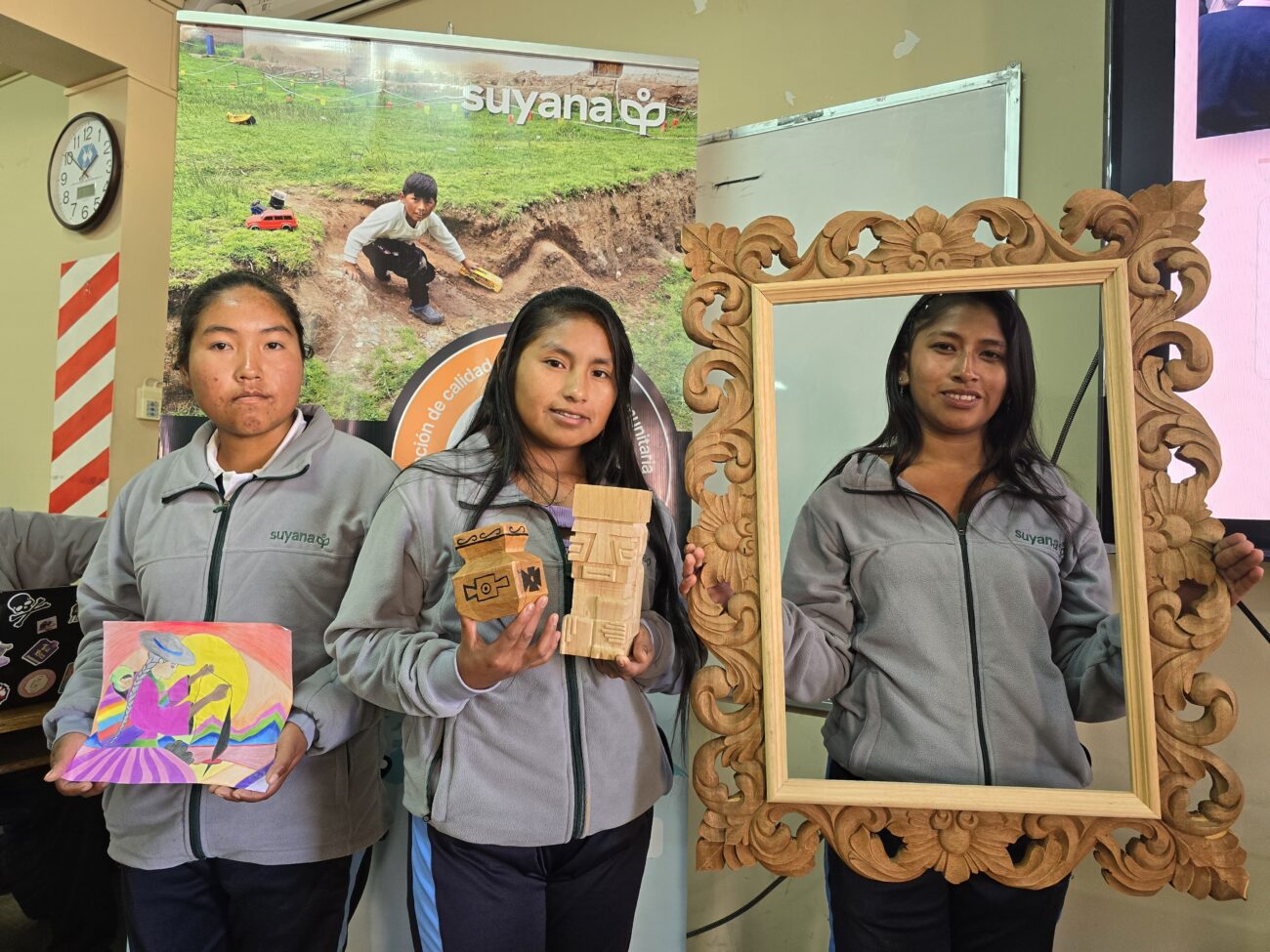
The 2026 presentations brought this process to life. In the carpentry specialization, for example, students showcased their products and explained how their training had helped them develop practical skills for everyday life and gain confidence in their ability to create with their own hands.
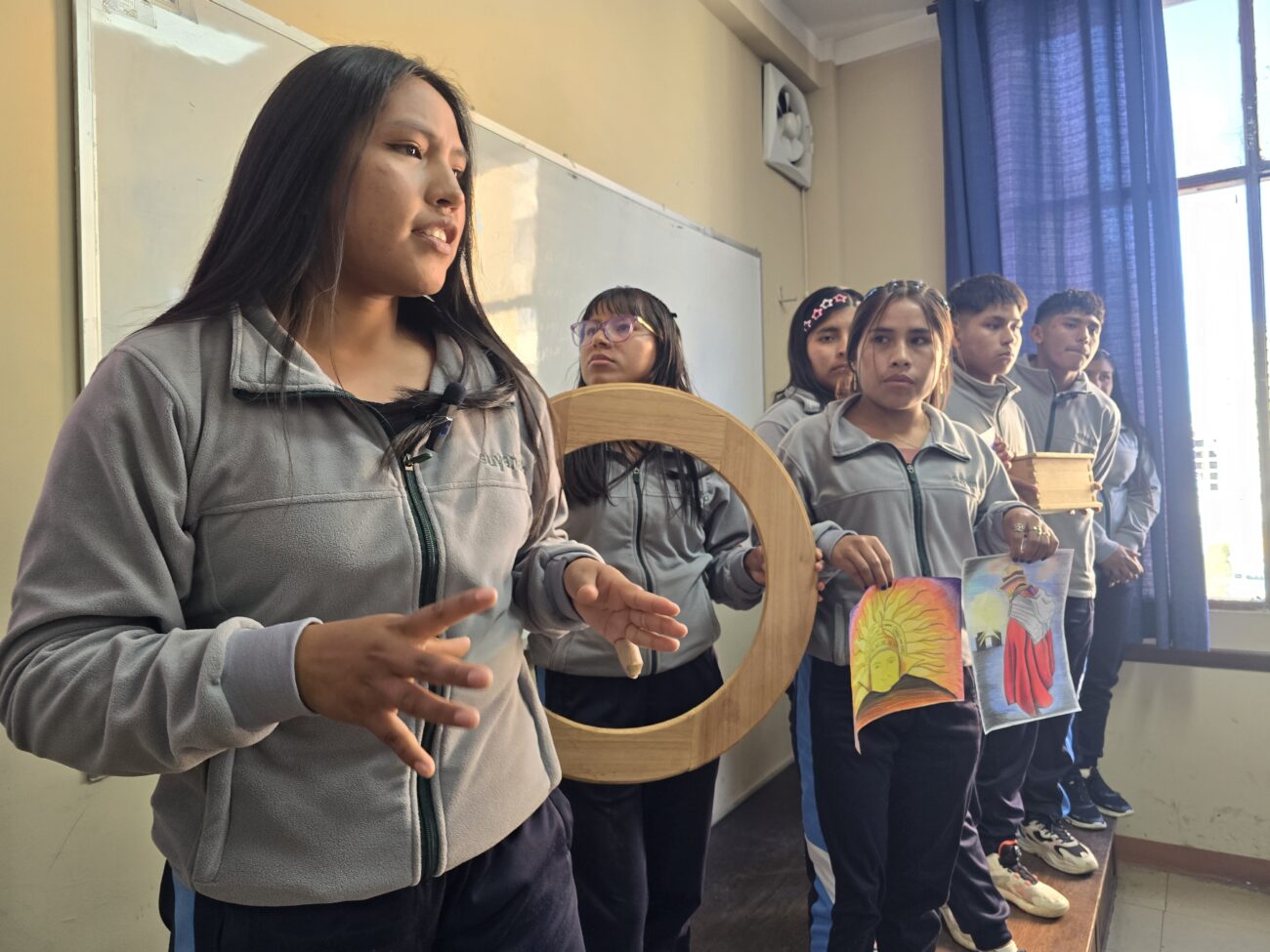
“Bolivia faces economic challenges because of its dependence on imported products. The solution lies in transforming our raw materials and creating added value within the country. We must shift our mindset from becoming employees to starting businesses, leading, and exporting. The BTH and technical education are strategic keys to Bolivia’s productive development and economic independence,” said Daysi, a student from the municipality of Inquisivi.
Carvings and drawings inspired by the Andean worldview added another dimension to the learning process: technical skills also became a way for students to reaffirm the value of their culture and express it through objects with an identity of their own.
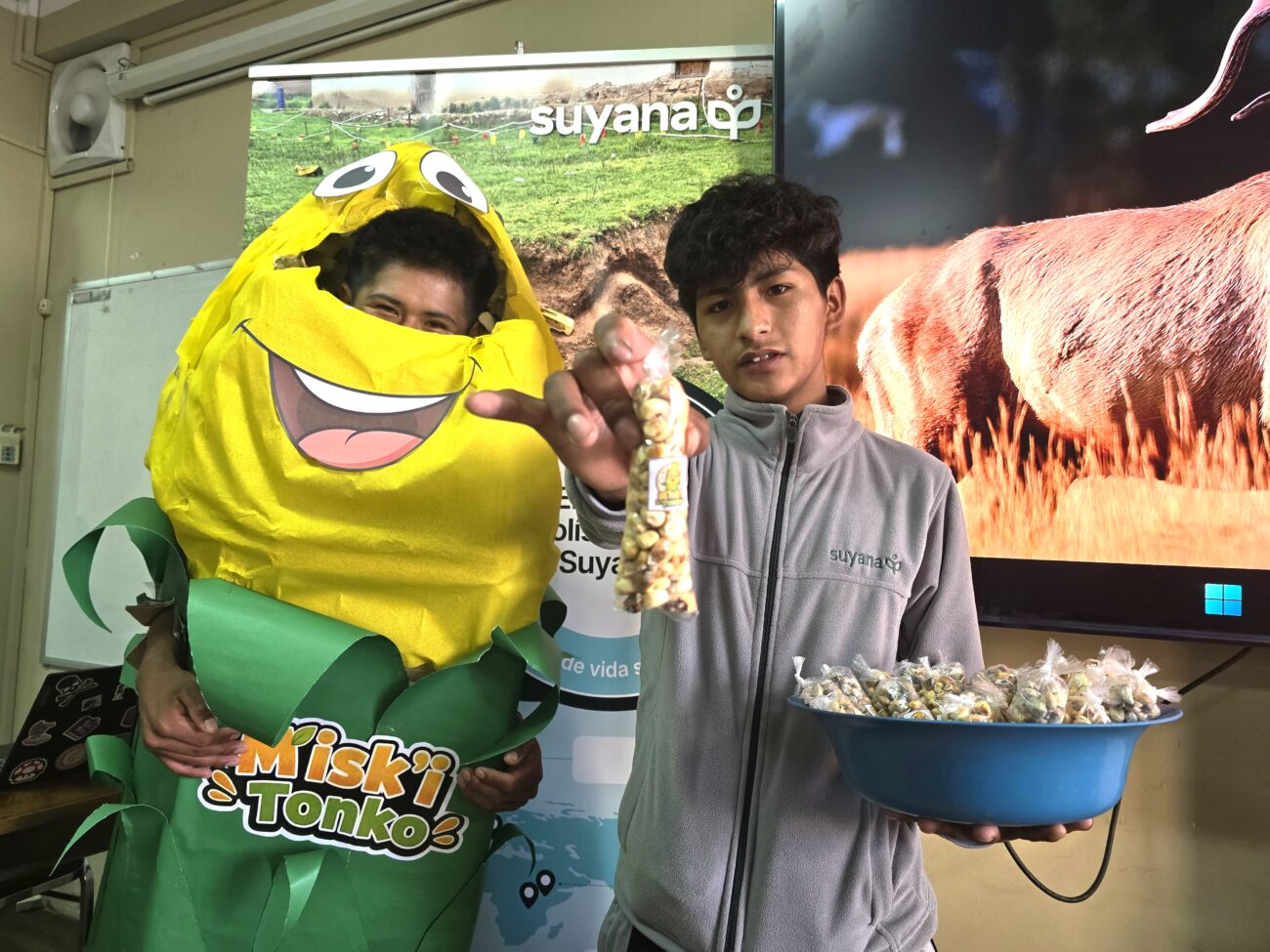
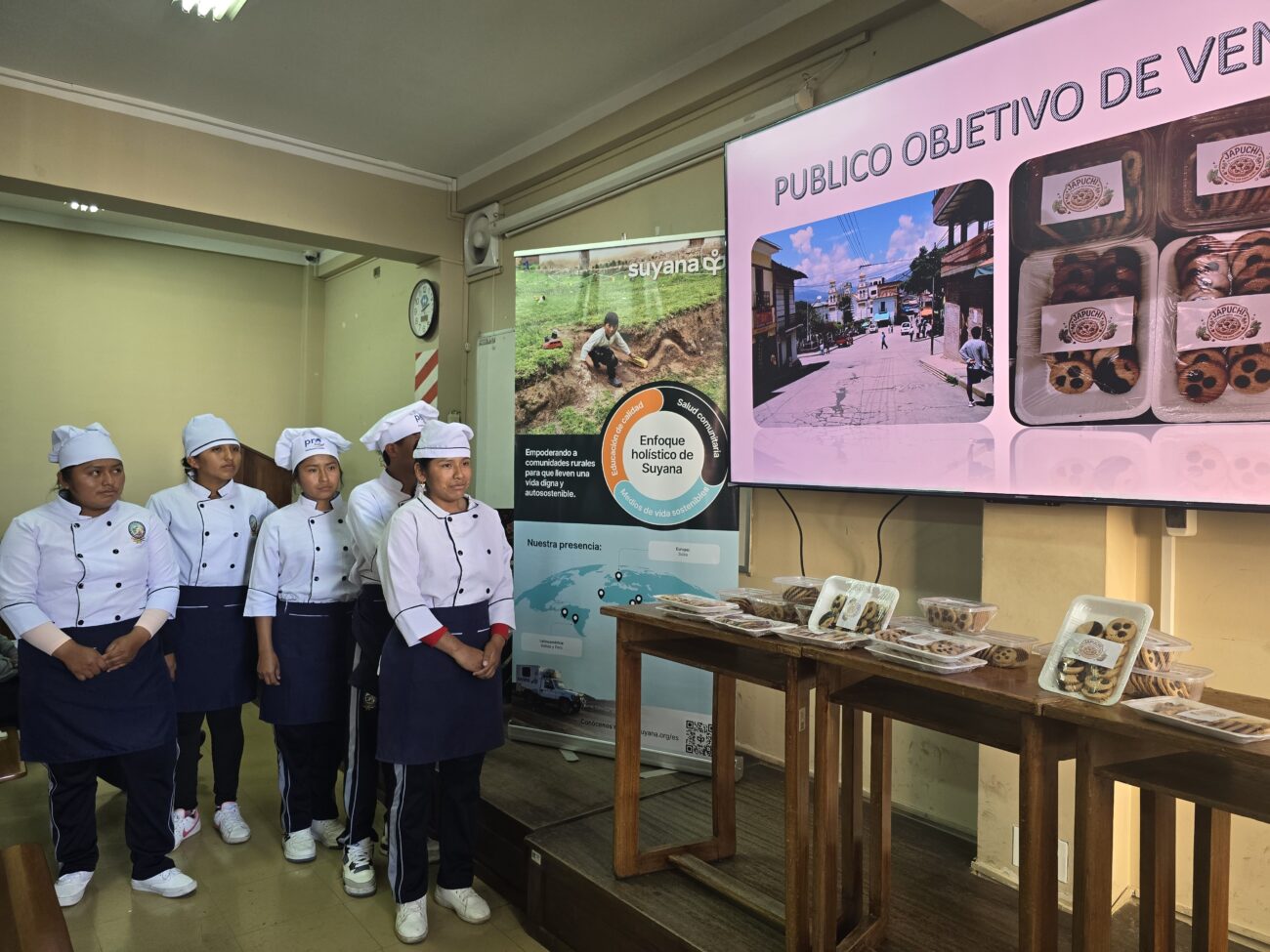
In baking and culinary arts, the delegations showcased products they had made themselves and explained the process behind each preparation. In this way, a recipe became more than a classroom exercise: it was examined as a potential market offering by considering its quality, costs, presentation, target customers, and marketing.
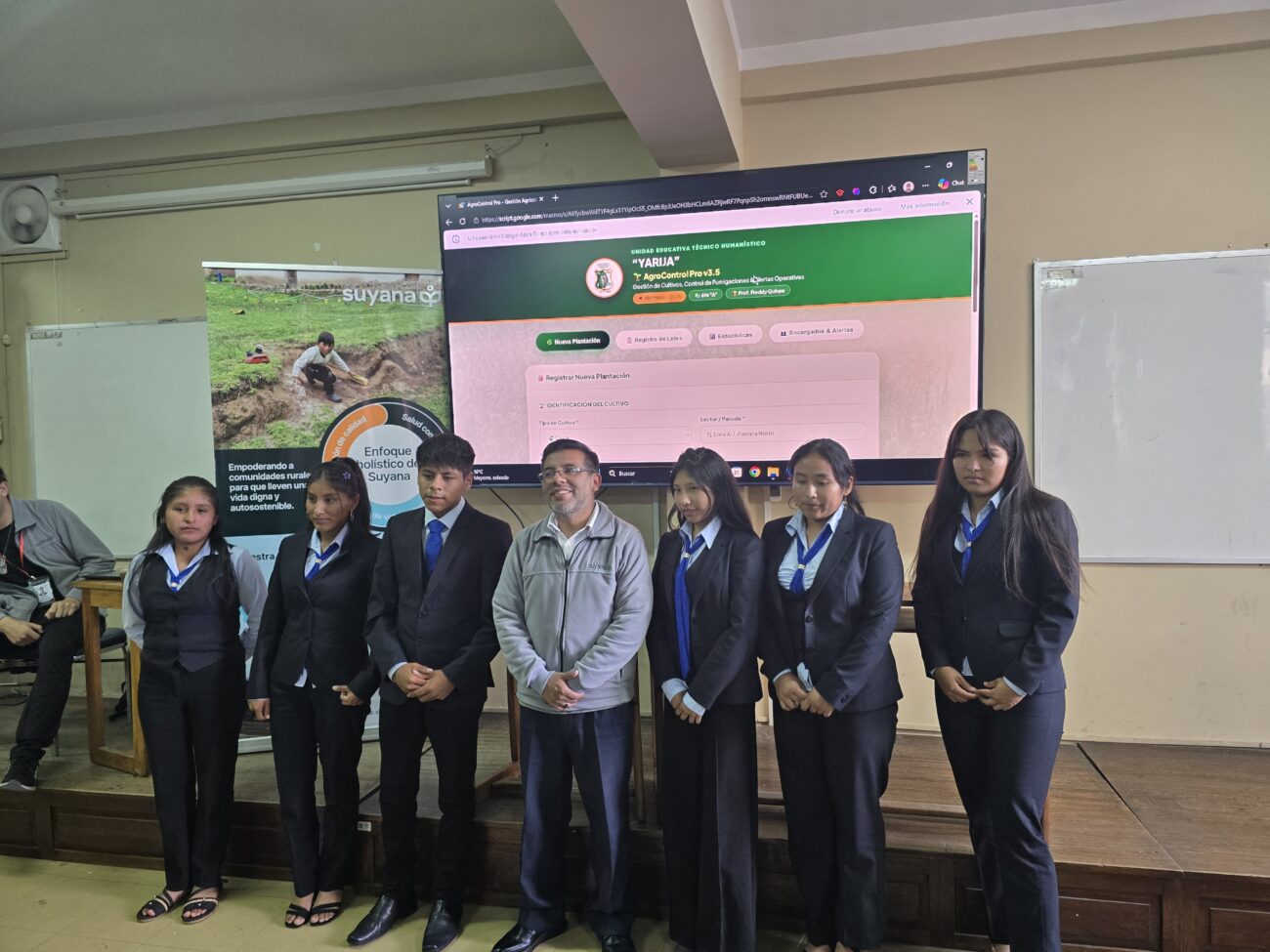
In the computer systems specialization, students from a school in Chulumani presented an application for crop management, fumigation monitoring, and the generation of operational alerts. Their project demonstrated that technology developed at school can address specific needs within the local productive sector.
These experiences show that achievement extends beyond the final product. It also lies in the ability to explain a process, defend a proposal, work as a team, overcome challenges, recognize the value of local knowledge, and identify opportunities for improvement. When students publicly present what they have created, receive feedback from the university community, and recognize that their work can generate both economic and social value, the learning process takes on a broader meaning.
Suyana Foundation’s Approach to Education
For Suyana Foundation, this initiative forms part of the Quality Education component of the Healthy Municipality Program and reflects a clear commitment: ensuring that the technical education received by young people in rural areas translates into practical skills they can apply within their own communities. Strengthening technical, productive, and entrepreneurial skills is not intended to push young people prematurely into the labor market or replace further education. Instead, it seeks to broaden their options by providing them with tools to generate income and pursue self-employment without having to leave their communities.
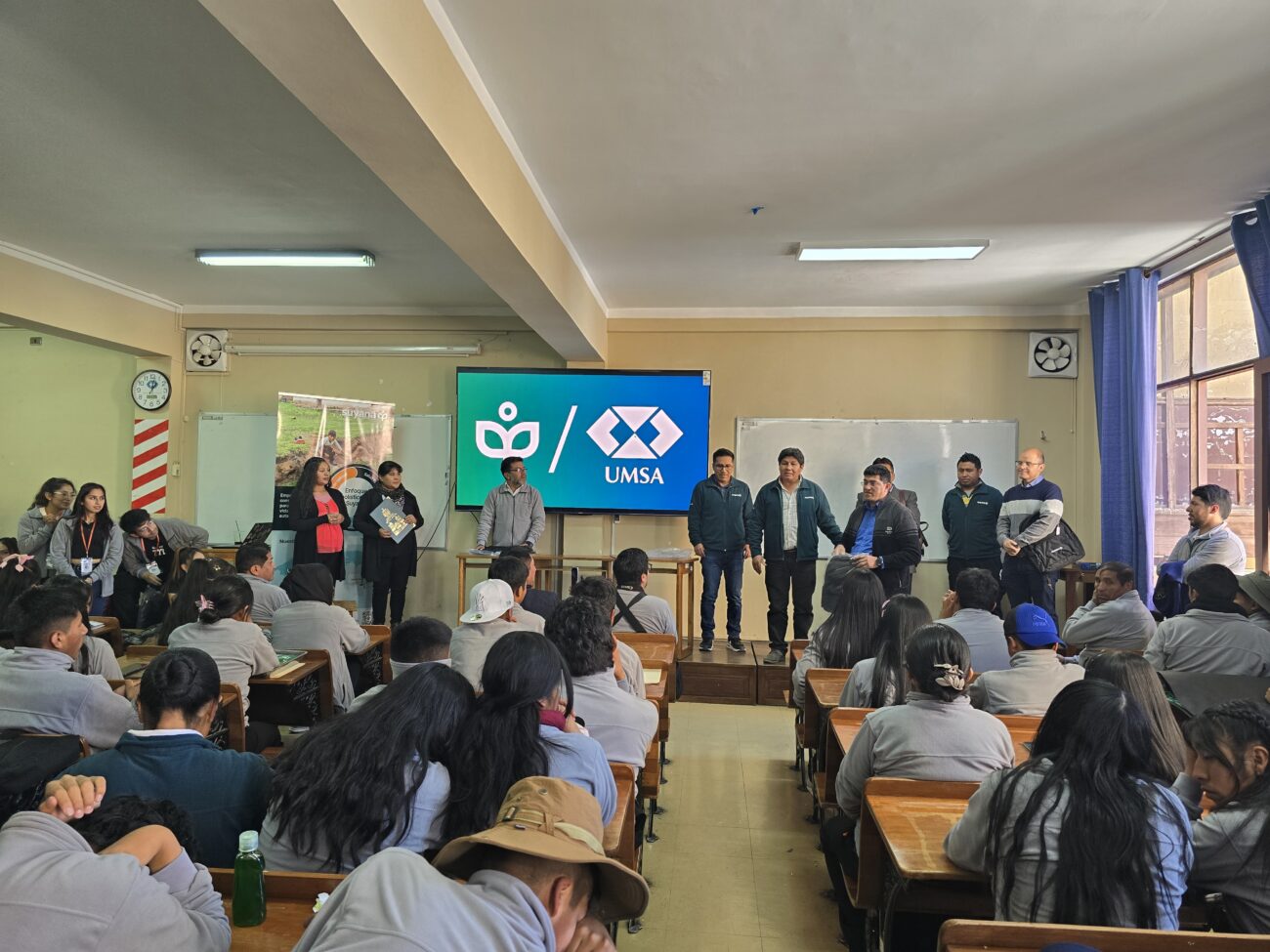
The university component also serves another vital purpose. Walking through UMSA’s central Monoblock building, entering a university auditorium, and working side by side with university students make higher education feel more accessible and attainable.
Suyana Foundation and UMSA’s Business Administration Degree Program concluded this three-year initiative by recognizing the efforts of students, teachers, families, education authorities, municipal governments, and technical teams who made every journey and workshop possible.