
Teachers in southern Peru exchange good practices to transform their rural schools
More than 440 teachers, authorities, and families from Cusco, Apurimac, and Puno took part in experience-sharing sessions of the Suyana Municipal School Strategy “Mi Linda Escuela – Munay Yachay Wasi,” which this year marks its third cycle of work in the region.
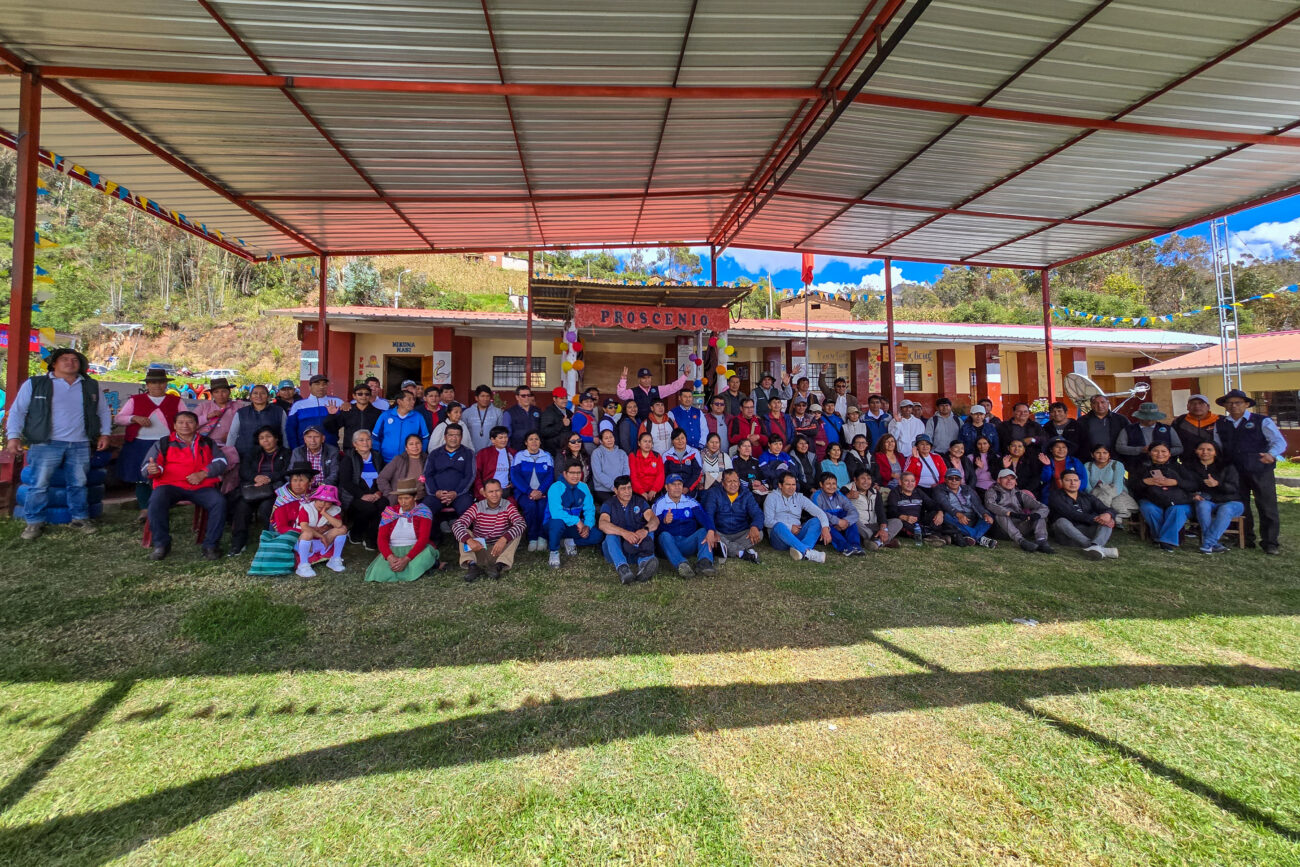
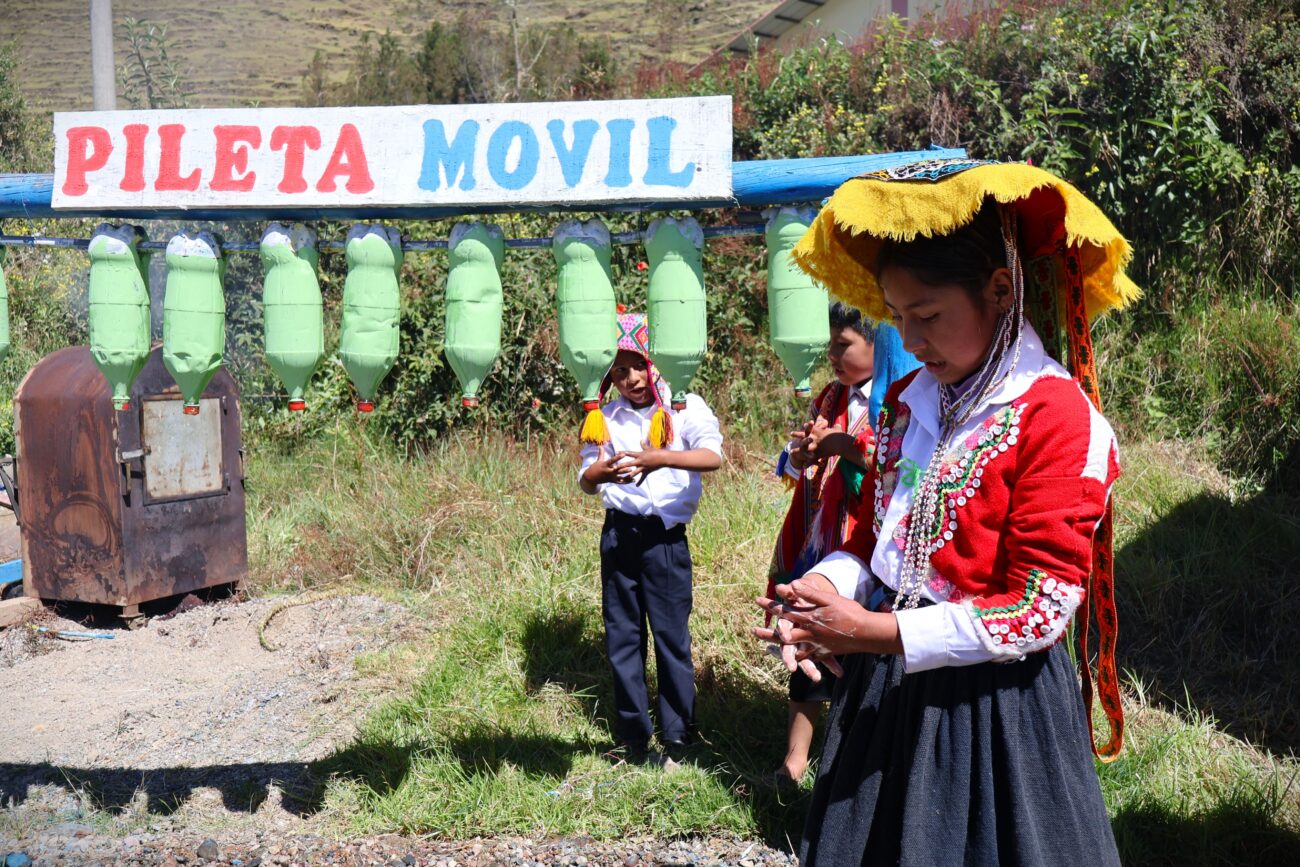
Cusco, June 26, 2026.- At the Huamanruro school, in the district of Macarí (Puno), the day began early. Before ten in the morning, nearly two hundred people —teachers, parents, students, and authorities— were walking through the schoolyard to see, firsthand, what their colleagues had achieved: a garden where corn had been harvested shortly before, a fully operational compost system, water stations with roofs made of recycled bottles, and a welcoming, spotless dining hall and kitchen for managing meals. The school, which two years earlier had neither a fence nor a garden, had become a model to follow.
Scenes like this were repeated between May and June across seven districts of Cusco, Apurimac, and Puno, as part of the experience-sharing initiative of the Suyana Municipal School Strategy “Mi Linda Escuela – Munay Yachay Wasi.” In total, more than 440 members of the educational community took part in these sessions, in which schools that stood out in previous years opened their doors to share what they had learned with other institutions in their area.
Learning from those who have already done it
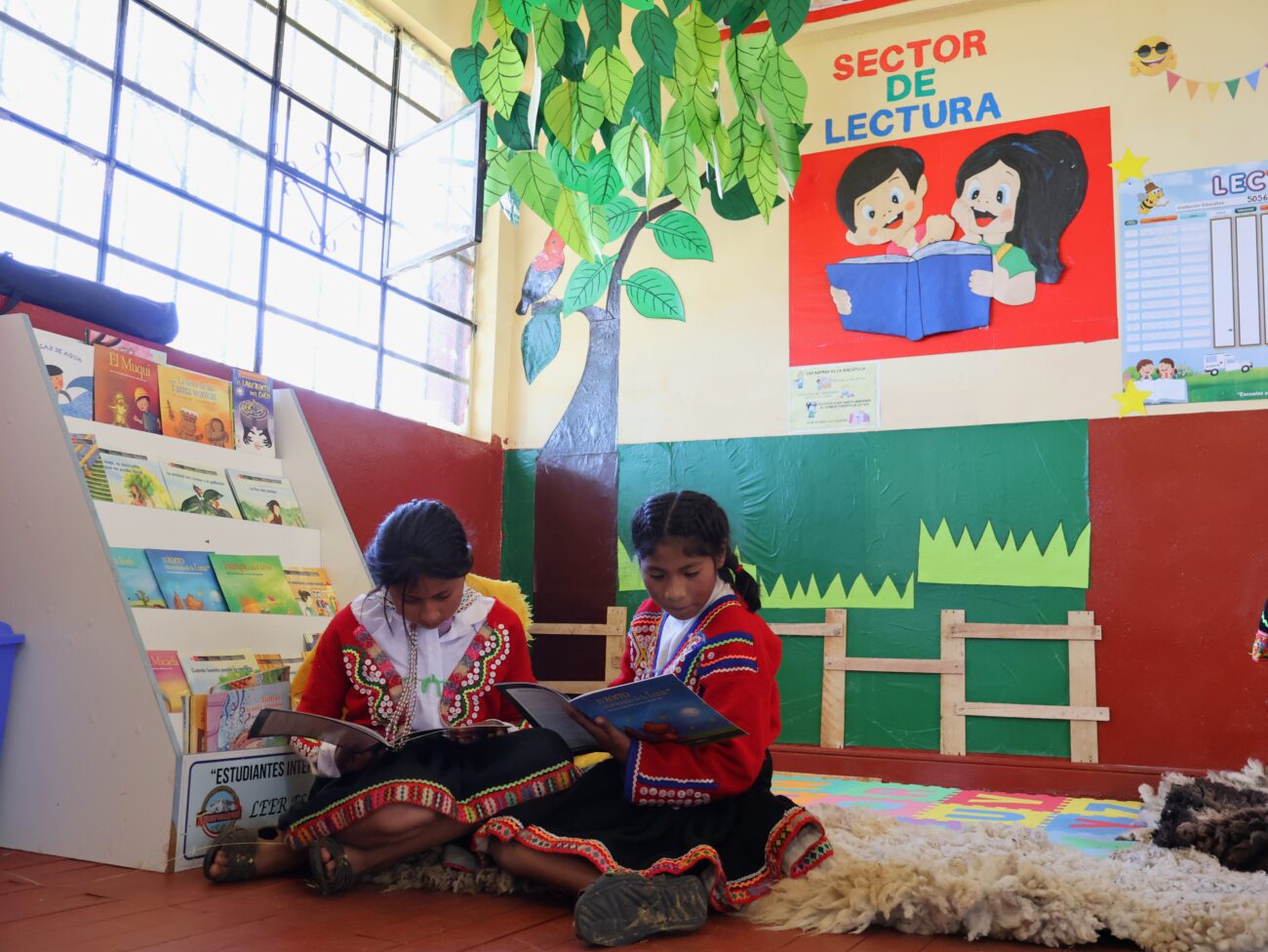
The Municipal School Strategy is part of the Healthy Municipality Program that the Suyana Foundation carries out in partnership with local governments and education and health authorities. Its goal is to turn rural schools into healthy educational institutions, that is, eco-friendly, welcoming, and innovative spaces, with better gardens, access to safe water, hygiene areas, and orderly environments that promote healthy habits, learning achievements through a playful methodology, and healthy coexistence.
The experience-sharing initiative is based on a simple idea: that teachers themselves teach other teachers. Instead of a traditional training session, schools that have already walked the path show how they did it, what difficulties they faced, and how long it took to achieve the changes. In this way, good practices spread from one institution to another.
This is the program’s third year of implementation, and this cycle’s approach is aimed at the educational community within the scope of the Local Educational Management Units (UGEL), including new institutions that were not yet part of the strategy. The goal is for more and more schools to join in and replicate what works.
The territory as a classroom
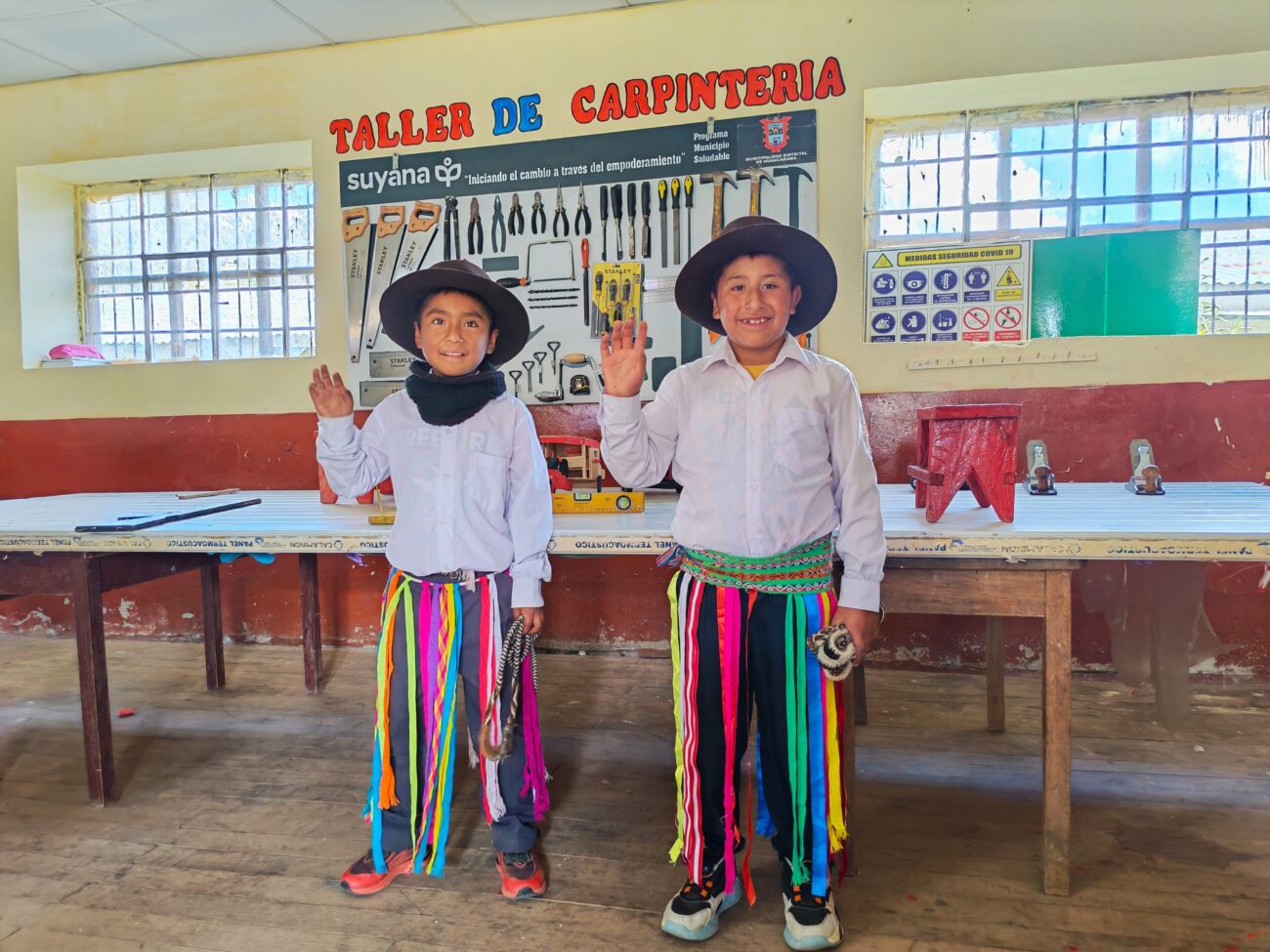
In each session, the guided tours were led by the students and teachers themselves, who explained the different components of the strategy, from the talking maps and pathways to the collection centers, open classrooms, and gardens. In several cases, the tours included a visit to a family from the Family Strategy, to show how the work at school connects with the work at home.
At the close of each gathering, the education authorities presented recognitions to the teachers of the 2024 and 2025 winning schools, and participants signed commitment agreements to implement the strategy in their own institutions. The commitment is clear: those who learn, replicate.
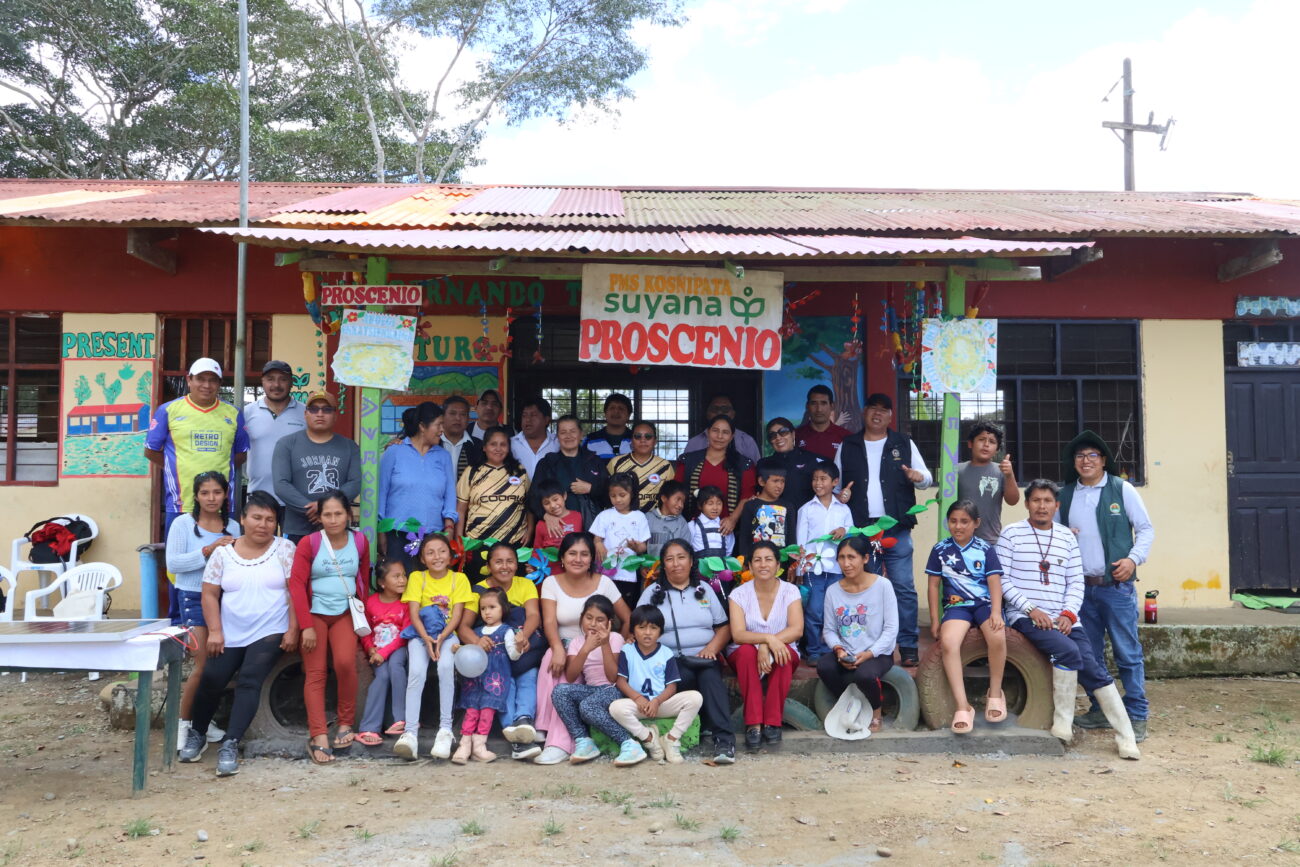
With these sessions, the Suyana Municipal School Strategy reaffirms a conviction that runs through the entire Healthy Municipality Program. Change is stronger when it is born from the community itself and shared among peers. In the schools of southern Peru, every garden, every orderly classroom, and every replicated practice is a seed of a healthier education with better opportunities for rural students.