
Suyana Foundation strengthens the evaluation and continuous improvement of its teams in Peru and Bolivia
The organization evaluates its staff and operational teams twice a year, creating spaces to review progress, identify challenges, and define actions that strengthen the achievement of its institutional objectives.
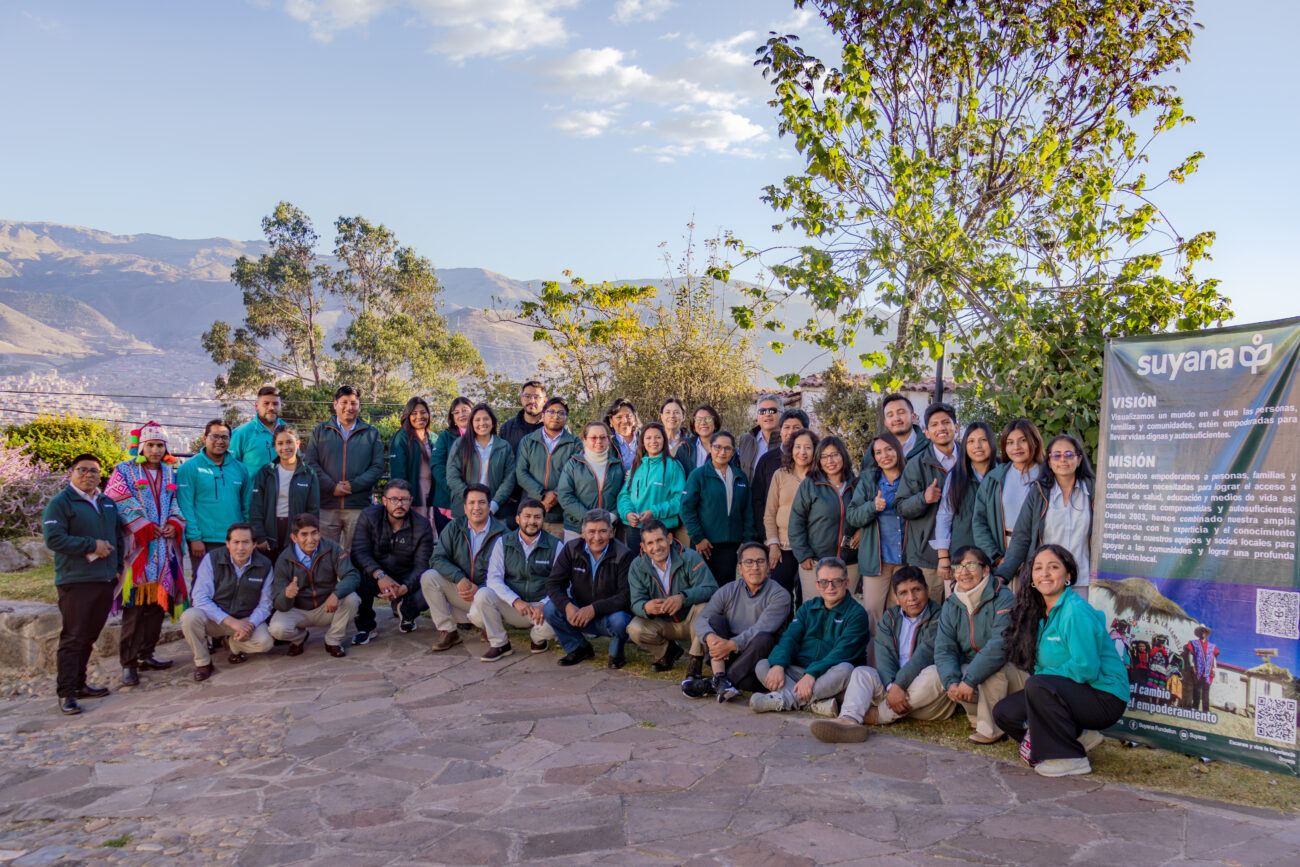
In July, Suyana Foundation conducted its 2026 mid-year evaluation, an institutional practice carried out every six months to assess the performance of its teams, measure progress achieved, and establish improvement actions. The process included both the binational evaluation of staff from Peru and Bolivia and local evaluation sessions for the operational teams of the Healthy Municipality Program (PMS) in both countries.
As part of this process, the Binational Mid-Year Evaluation Workshop was held in Cusco on July 23 and 24, bringing together 39 participants: 22 representatives from Peru, 15 from Bolivia, Alberto Arango De La Torre, Executive Director for Peru and Bolivia, and Ursula Kuhn, President.
During these sessions, the teams presented the results and progress of the different programs and institutional areas, identifying gaps against the three-year targets and defining proposals to strengthen their work during the following period.
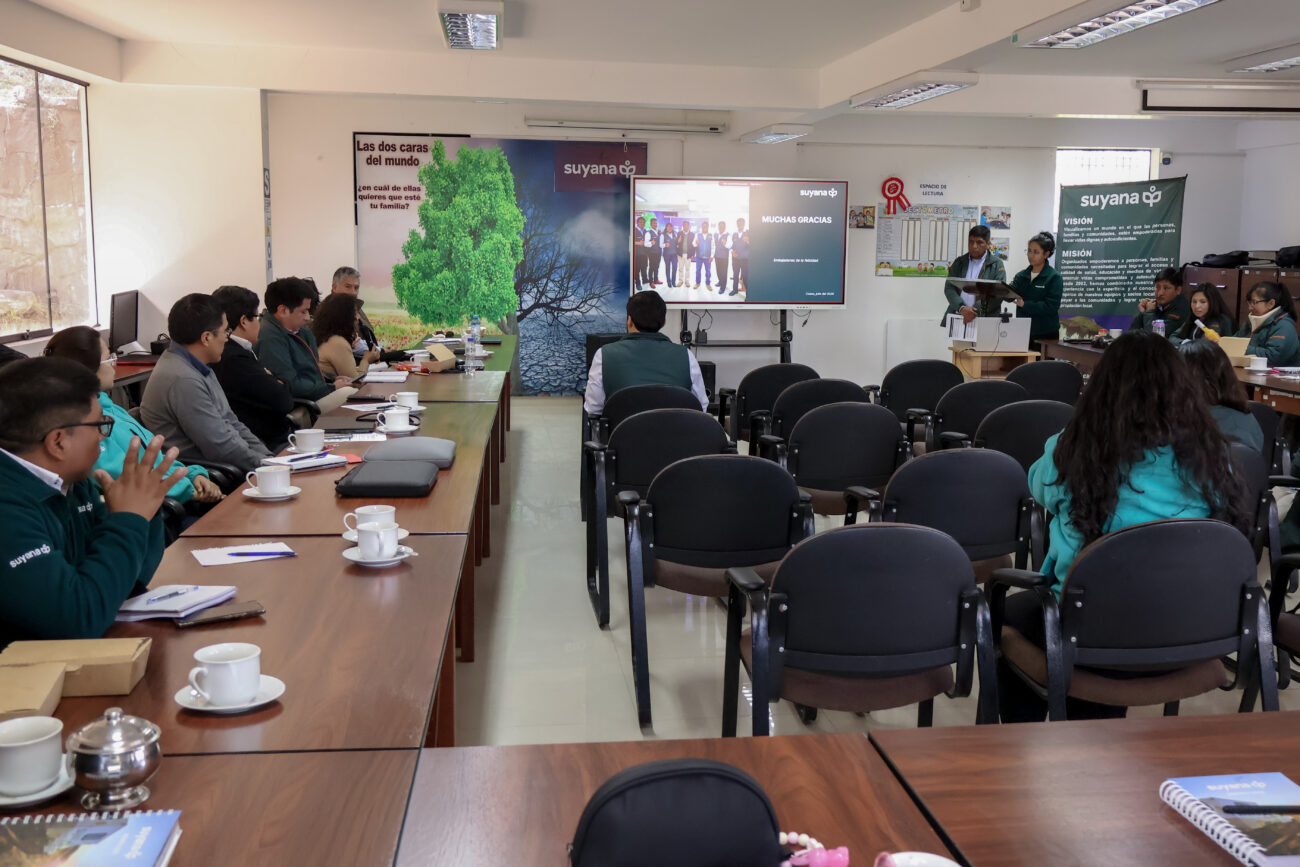
The meeting provided an opportunity to jointly review progress on the Healthy Municipality Program (PMS) across its four components, as well as the Administration area, Escuela Campesina Suyana, Scholarships and Job Placement, Productive Strengthening (OECAS), and the Marketing and Communications, Human Resources, and IT areas. Through this exchange between Peru and Bolivia, the teams shared lessons learned, recommendations, and opportunities to continue strengthening institutional coordination and the sustainability of their interventions.
Monitoring and Evaluation of Fieldwork
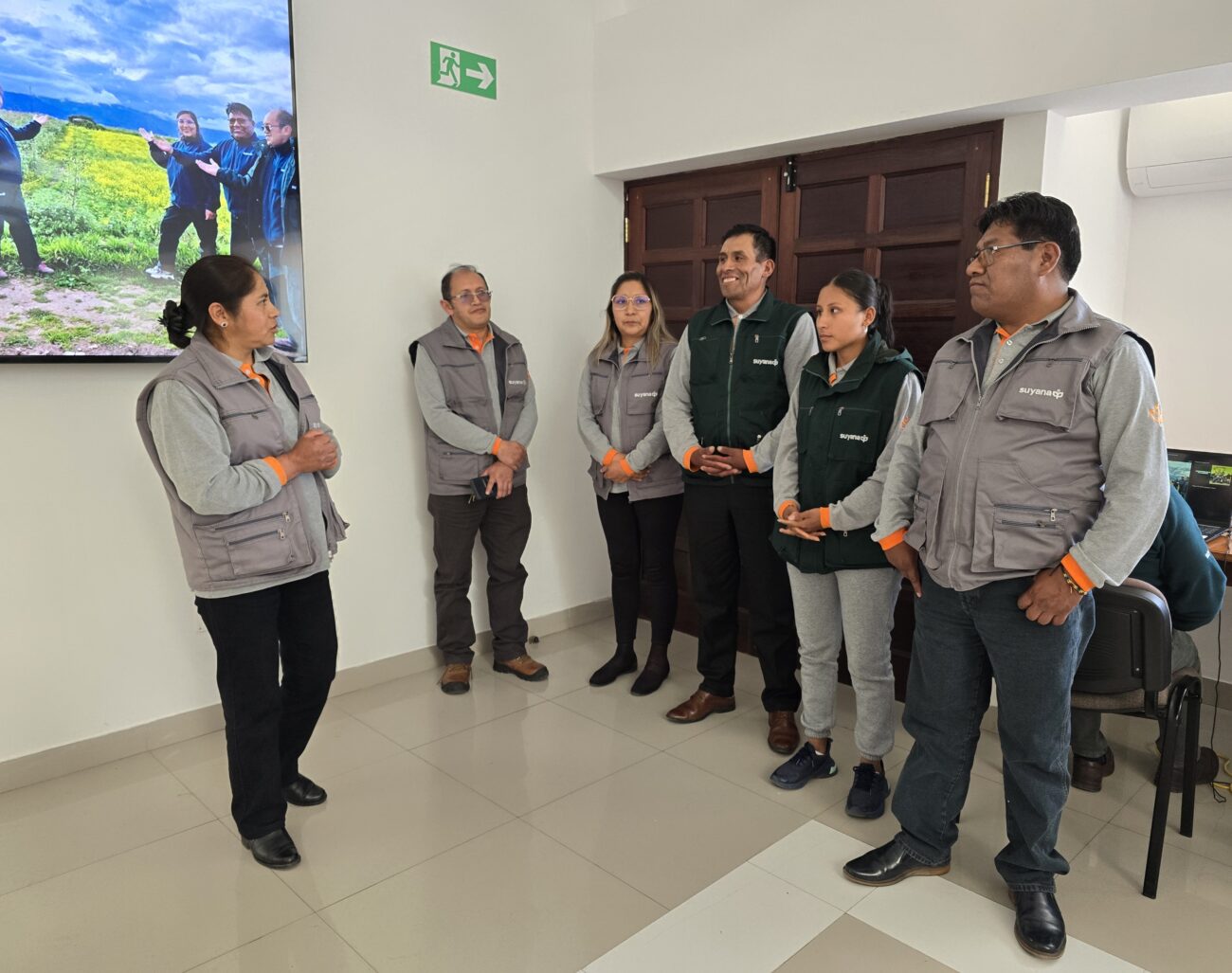
As a complement to this process, Suyana Foundation conducted local evaluations of the operational teams of the Healthy Municipality Program. These sessions allowed each country to analyze results based on the realities of their respective territories and identify specific actions to improve their field interventions.
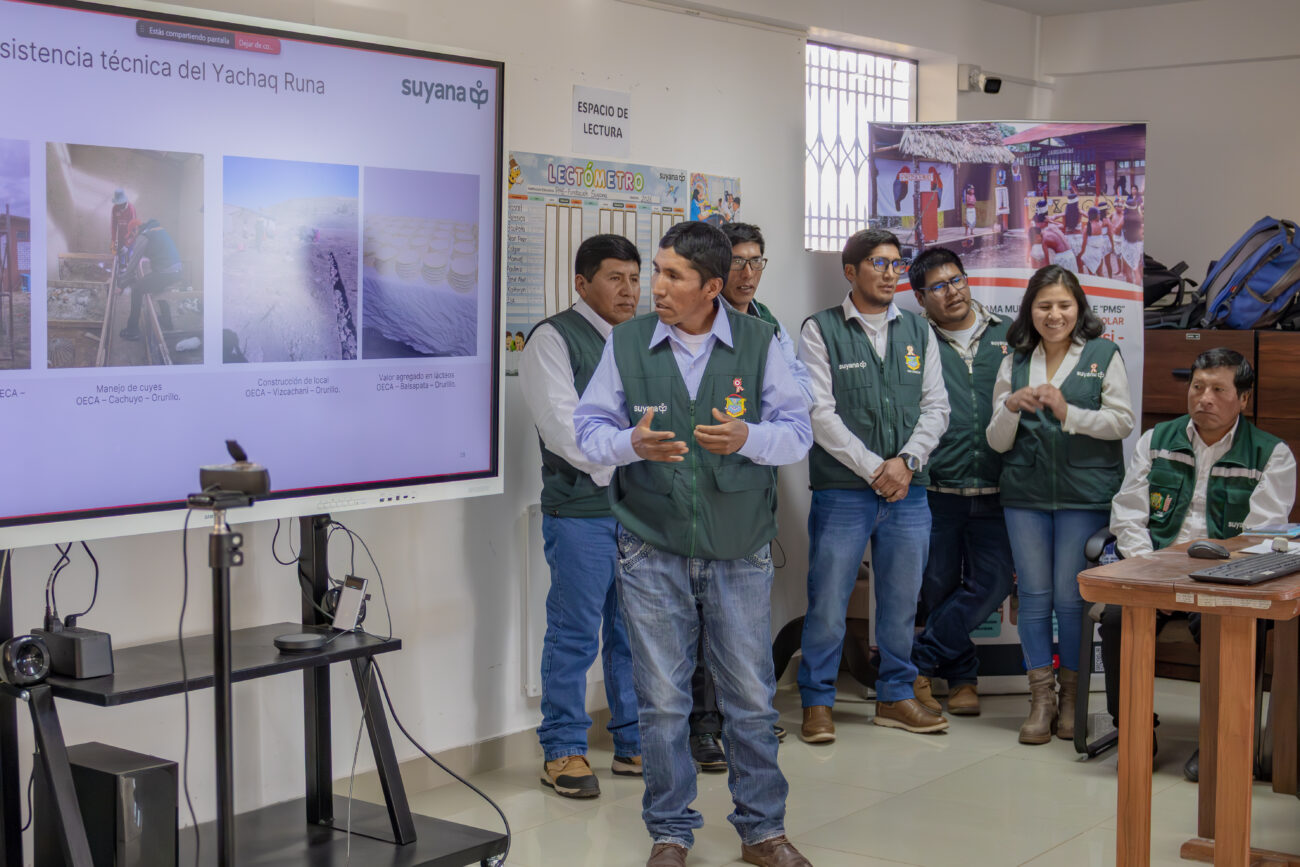
In Peru, the mid-year evaluation of the operational teams brought together professionals from the PMS teams, Yachaq Runas, coordination, and administration to review progress and challenges during the first half of the year and support the achievement of the 2024–2026 three-year targets. The teams from Kosñipata, Huancarama, Macarí, Marcapata, Lambrama, Orurillo, and Yanatile shared the main results and lessons learned from their work in the communities.
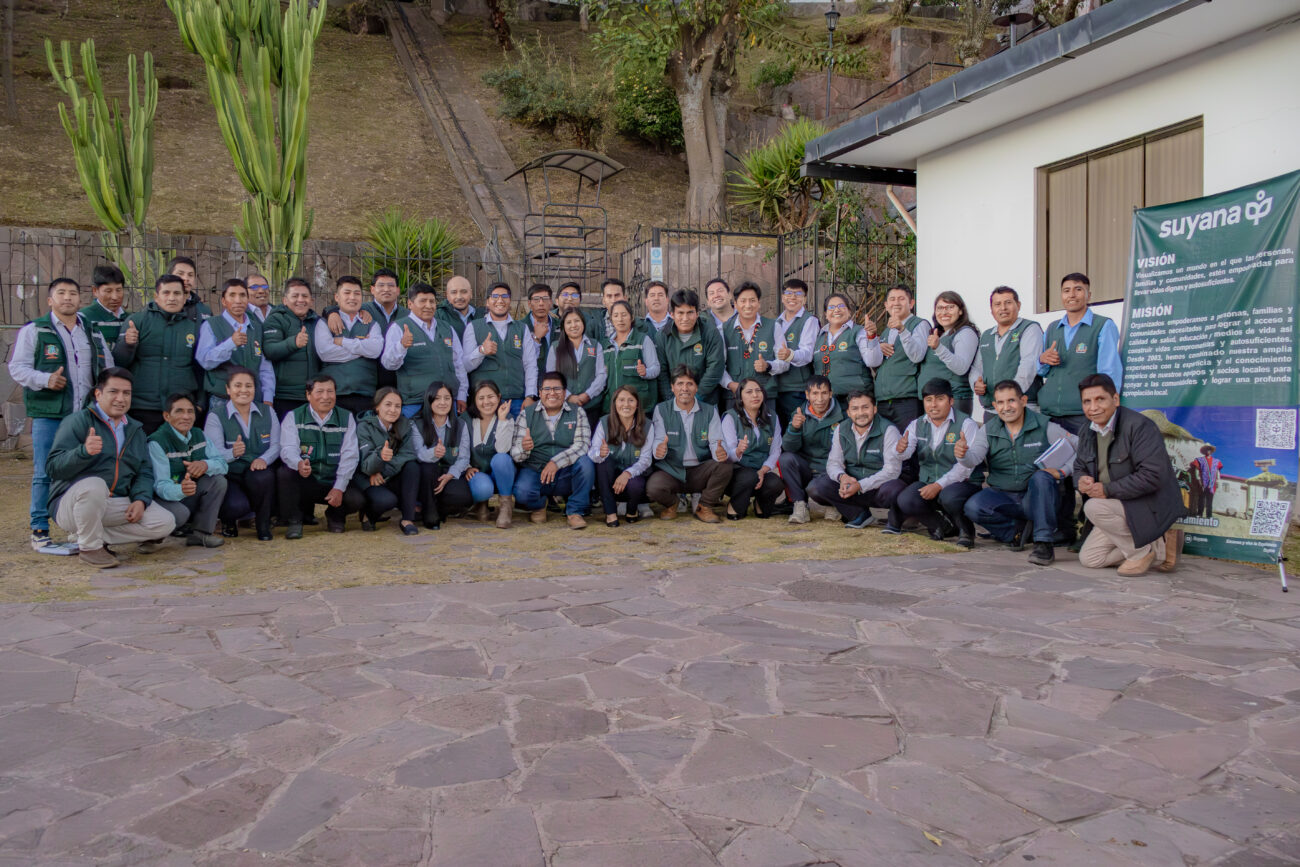
The experiences presented highlighted the importance of strengthening family participation, the role of Yachaq Runas, and coordination with health facilities, educational institutions, and local governments. Opportunities were also identified to strengthen intercultural education, community empowerment, and the conditions needed to ensure the sustainability of the processes promoted by the PMS.
In Bolivia, the mid-year evaluation of the operational teams brought together professionals from the PMS teams, Satiris, coordination, and administration to review progress and challenges during the first half of the year and support the achievement of the 2024–2026 three-year targets. The teams from Humanata, Cajuata, Mocomoco, Inquisivi, Chulumani, Carabuco, Yaco, Sica Sica, and Irupana shared the main results and lessons learned from their work in the communities, analyzing their achievements in light of the realities of each territory.
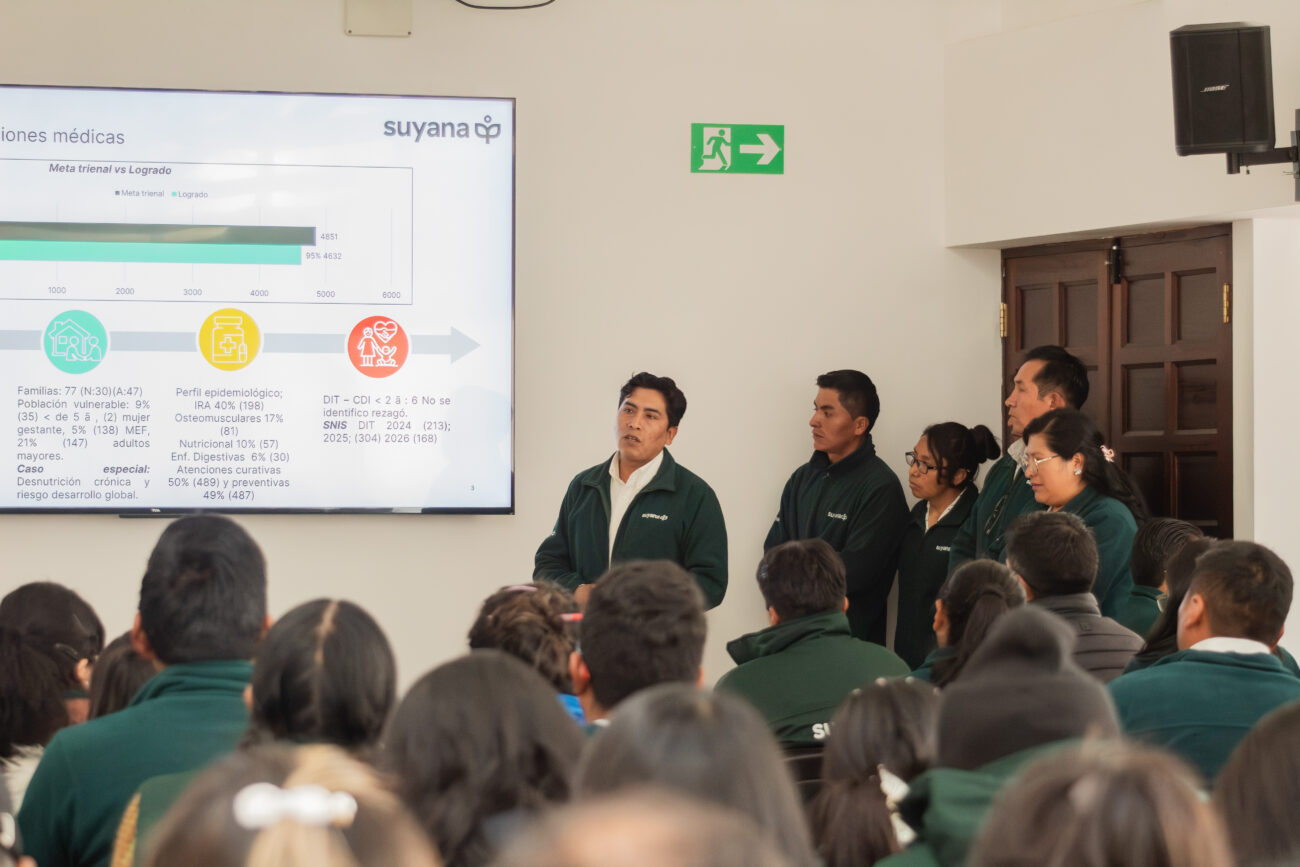
The experiences presented highlighted the importance of strengthening family participation, the role of the Satiris, and coordination with health facilities, educational institutions, and municipal governments. Opportunities were also identified to strengthen community empowerment and the conditions needed to ensure the sustainability of the processes promoted by the PMS.
A Culture of Learning and Continuous Improvement
The mid-year evaluation is a permanent planning and monitoring tool within Suyana Foundation. Beyond reviewing indicators and results, these spaces foster collective learning, strengthen coordination among teams, and support evidence-based decision-making to improve the quality and impact of the programs implemented by the organization in Peru and Bolivia.
At the close of the binational workshop, the Board highlighted the organization’s sustained growth and the importance of continuing to strengthen collaboration, innovation, and institutional sustainability as key pillars for supporting the development of the people, families, and communities where Suyana Foundation implements its programs.